In recent years, there has been a significant advancement in the field of Artificial Intelligence (AI) and Augmented Reality (AR). These technologies have become increasingly popular and have the potential to enhance virtual experiences in various fields such as gaming, education, healthcare, and...
A Digital Nutritionist Analyzes Meals from a Photo of Your Plate
172
16.05.2026
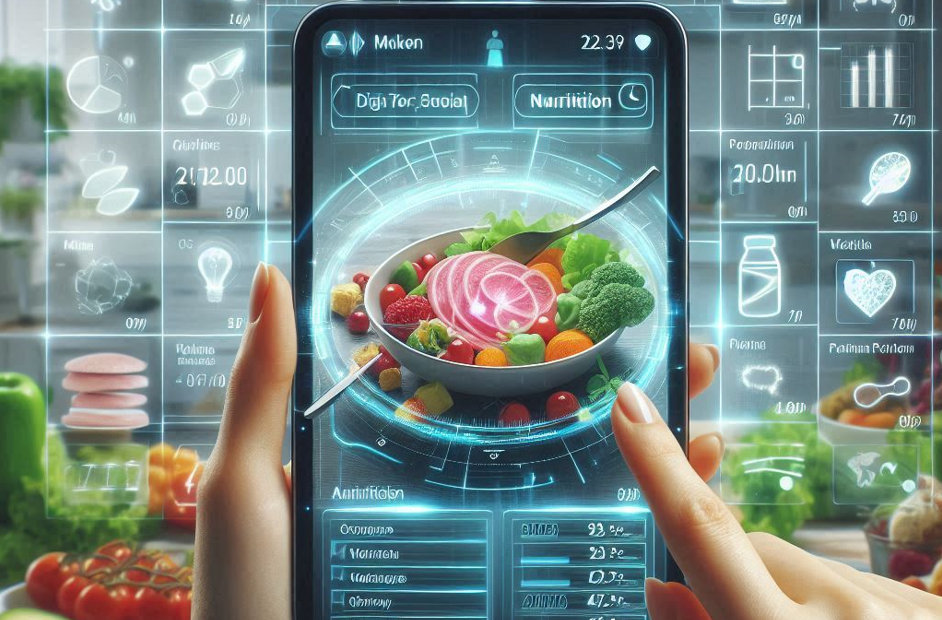
Understanding what we eat is fundamental to maintaining health, yet accurately assessing nutritional intake can be surprisingly difficult. People often underestimate portion sizes, overlook hidden ingredients, or lack knowledge about nutrient composition. A digital nutritionist powered by artificial intelligence aims to simplify this process by analyzing meals from a simple photograph, offering detailed insights and personalized recommendations.
The Challenge of Dietary Awareness
Tracking nutrition traditionally involves manual logging, which can be time-consuming and prone to error. Even with modern apps, users must input food items and quantities, often relying on approximations.
This complexity discourages consistent tracking and reduces accuracy.
Common Obstacles
- Difficulty estimating portion sizes
- Limited knowledge of ingredients
- Time-consuming data entry
- Inconsistent tracking habits
The Concept of a Digital Nutritionist
The digital nutritionist replaces manual input with automated analysis. By capturing an image of a meal, users can receive immediate feedback on its nutritional content.
The system combines image recognition with nutritional databases to provide comprehensive insights.
Core Features
- Food recognition from images
- Nutrient estimation and breakdown
- Personalized dietary recommendations
- Integration with health tracking systems
How the System Analyzes Meals
When a photo is uploaded, the system identifies individual food items and estimates their quantities. It then calculates nutritional values such as calories, proteins, fats, and carbohydrates.
Advanced models also consider cooking methods and ingredient variations.
Processing Steps
- Image segmentation to isolate food items
- Classification using trained models
- Portion size estimation
- Nutritional analysis based on databases
Personalization and Recommendations
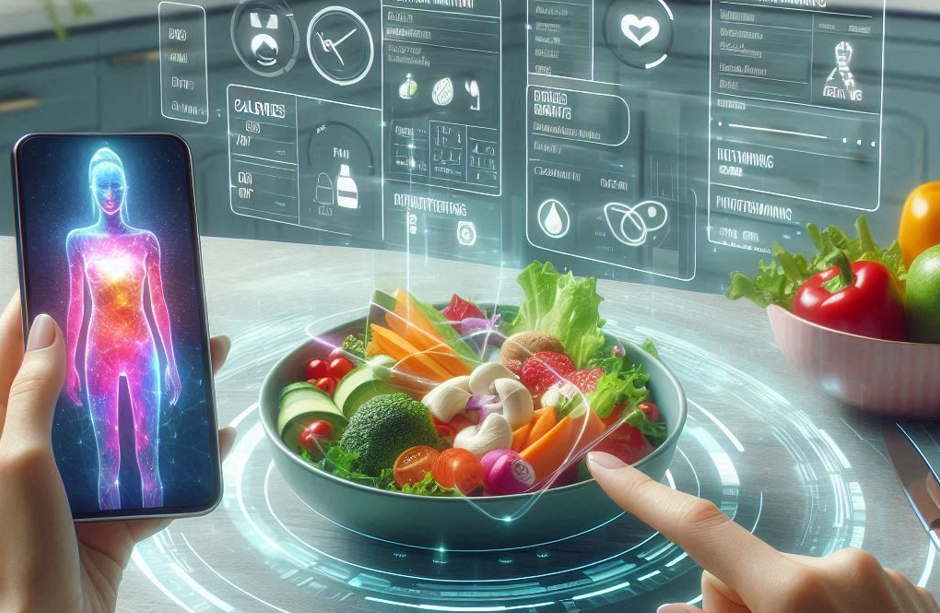
The system tailors its feedback based on user-specific goals, such as weight management, muscle gain, or dietary restrictions.
It can suggest adjustments to improve nutritional balance.
Examples of Recommendations
- Increasing protein intake
- Reducing saturated fats
- Balancing macronutrients
Applications in Health and Wellness
The digital nutritionist has applications in personal health, fitness, and medical contexts. It can support dietary planning and help users make informed choices.
Challenges and Limitations
Accurate analysis depends on image quality and database completeness. Complex dishes with mixed ingredients can be difficult to interpret.
Potential Issues
- Ambiguity in food recognition
- Variability in portion estimation
- Dependence on user input for context
The Future of AI Nutrition
Future systems may integrate real-time tracking and wearable data, providing even more precise recommendations.
This technology represents a significant step toward smarter, more accessible nutrition management.