

Blog
3
01.10.2026
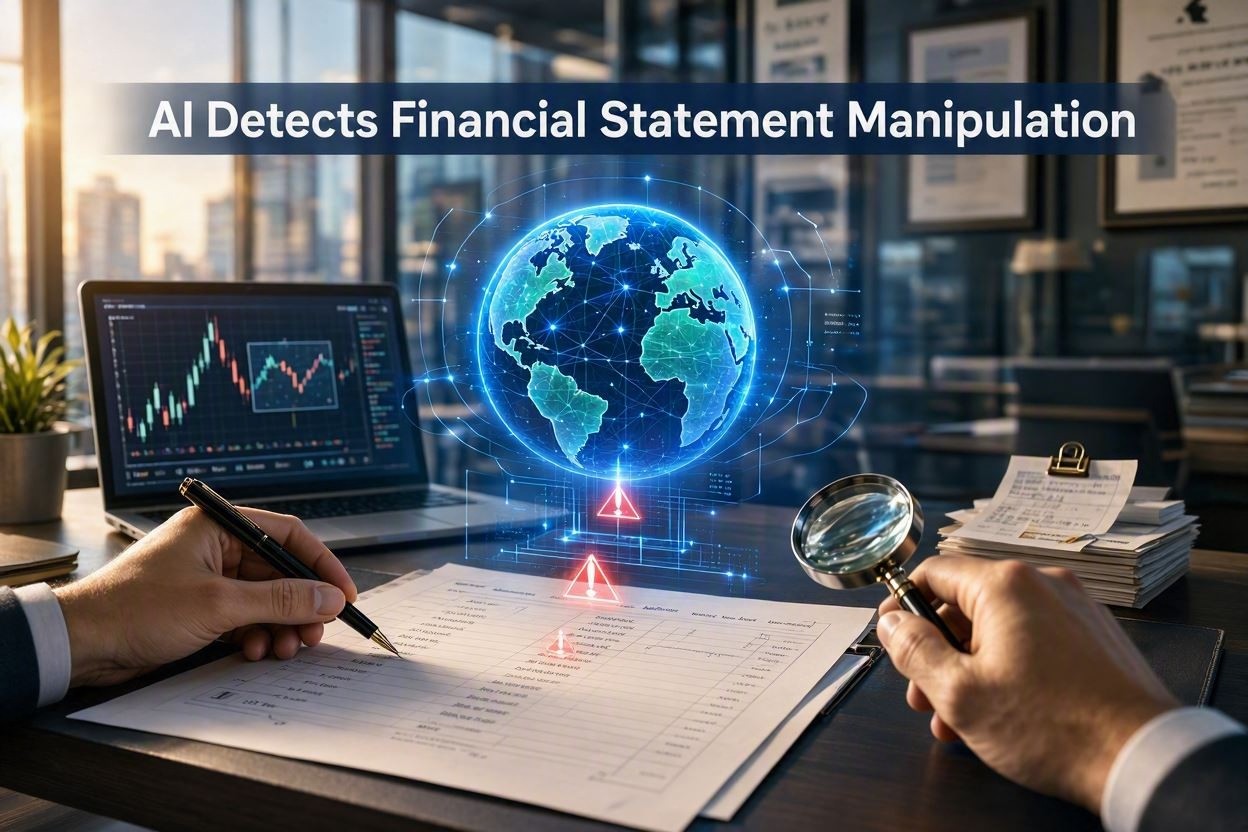
Financial statement manipulation remains one of the most damaging risks in capital markets. When publicly traded companies overstate revenue, hide liabilities, smooth earnings, or distort cash flow, investors make decisions on unreliable information. Traditional audits and regulatory reviews are essential, but they are often constrained by sampling, time pressure, and the complexity of modern reporting. Artificial intelligence is becoming a powerful additional layer of defense because it can analyze large volumes of financial, textual, and market data at speeds humans cannot match.
6
30.09.2026
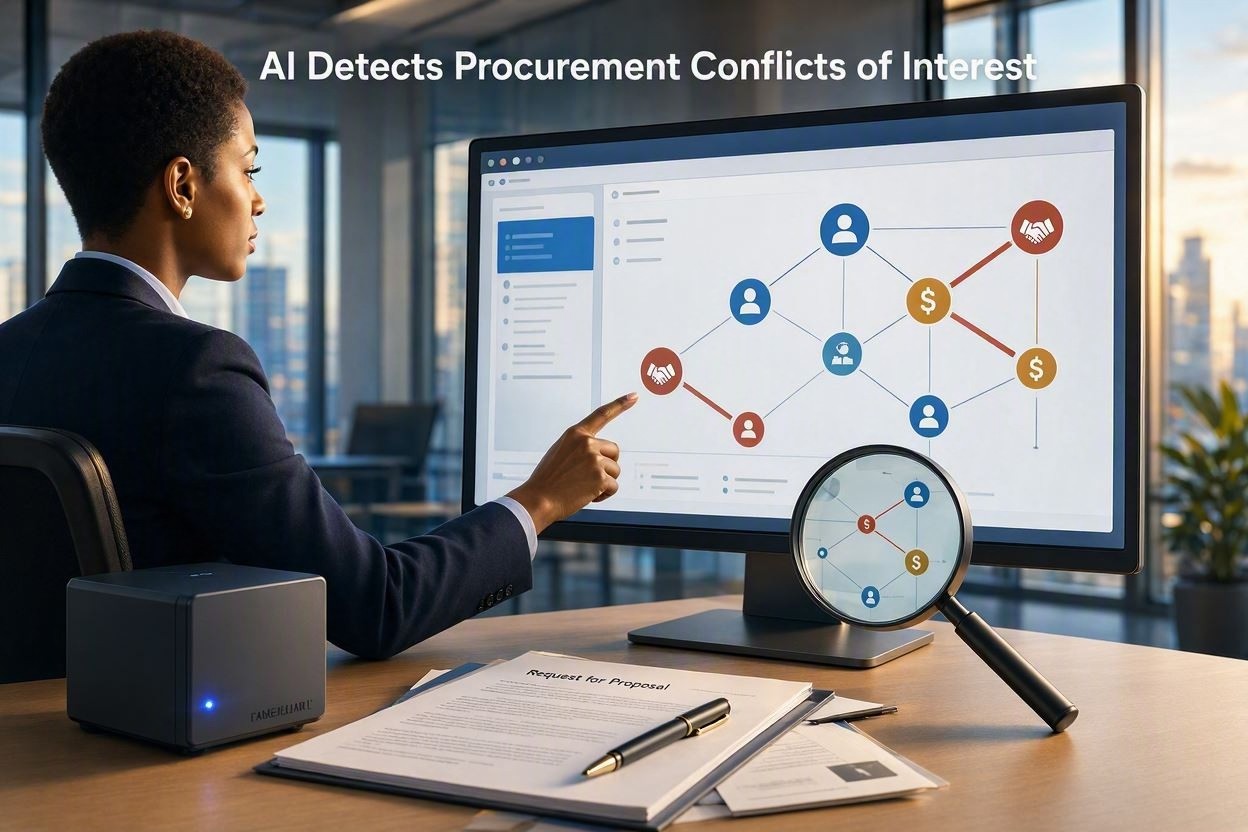
Government procurement involves large budgets, complex procedures, and multiple stakeholders. When a public official has a hidden connection to a supplier, the result can be unfair competition, inflated prices, or misuse of public funds. To reduce these risks, public institutions are increasingly using software that automatically detects conflicts of interest in government procurement before contracts are awarded.

12
29.09.2026
Weld quality is one of the most critical factors in modern manufacturing. A single hidden crack, pore, lack of fusion, or undercut can weaken a structure, shorten product life, and create serious safety risks. Traditionally, weld inspection has depended on trained human experts reviewing visual images, X-rays, ultrasonic scans, or other non-destructive testing data. While skilled inspectors remain essential, neural networks are now proving that they can detect weld defects with greater consistency and, in many cases, higher accuracy.
14
28.09.2026
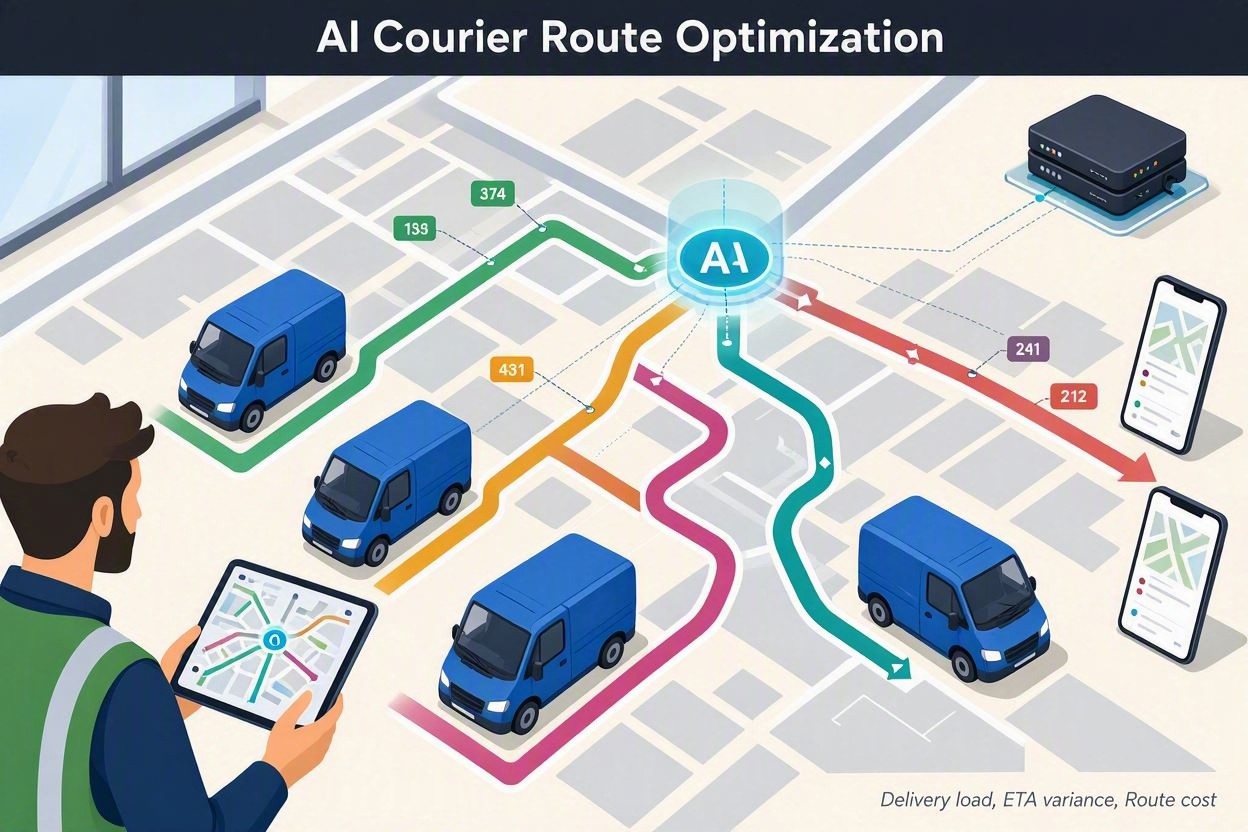
Courier delivery is no longer a simple question of finding the shortest road between two points. Modern logistics teams must balance live traffic, parcel weight, vehicle capacity, delivery time windows, fuel costs, driver availability, and customer expectations. Artificial intelligence makes this complex planning process faster and more accurate by continuously analyzing data and adjusting routes in real time.
21
27.09.2026
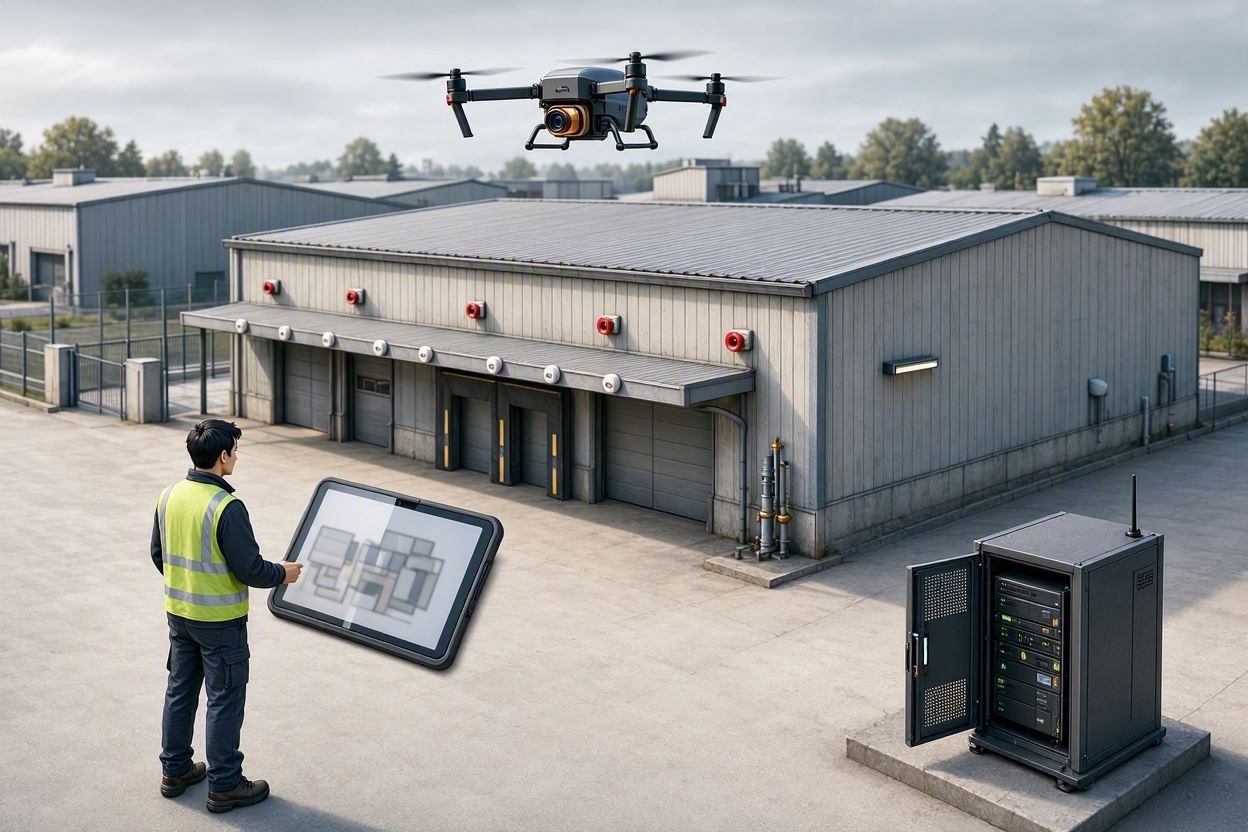
Fire safety on a construction site is difficult to control manually. Layouts change weekly, temporary electrical systems expand, hot works move from one floor to another, and escape routes may be blocked by materials or equipment. An automated compliance program helps contractors, developers, and safety managers detect hazards earlier by comparing real site conditions with fire safety rules, approved plans, and inspection checklists.
27
26.09.2026
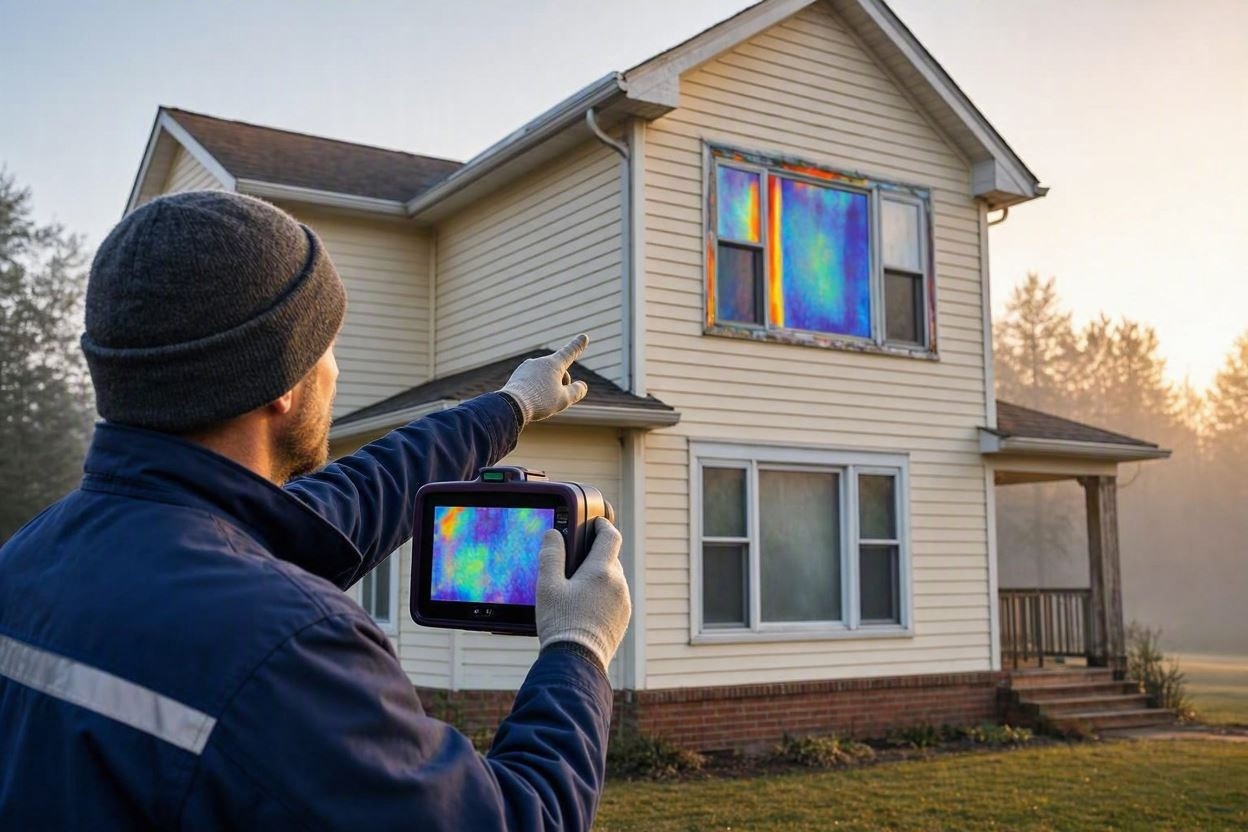
Heat loss is one of the most expensive problems in residential buildings, yet many leaks remain invisible during a routine inspection. A new generation of diagnostic programs uses infrared imaging to identify hidden thermal defects behind walls, around windows, under roofs, and near foundations. By converting temperature differences into readable visual maps, the program helps homeowners, energy auditors, and contractors find exactly where conditioned air is escaping.
39
25.09.2026
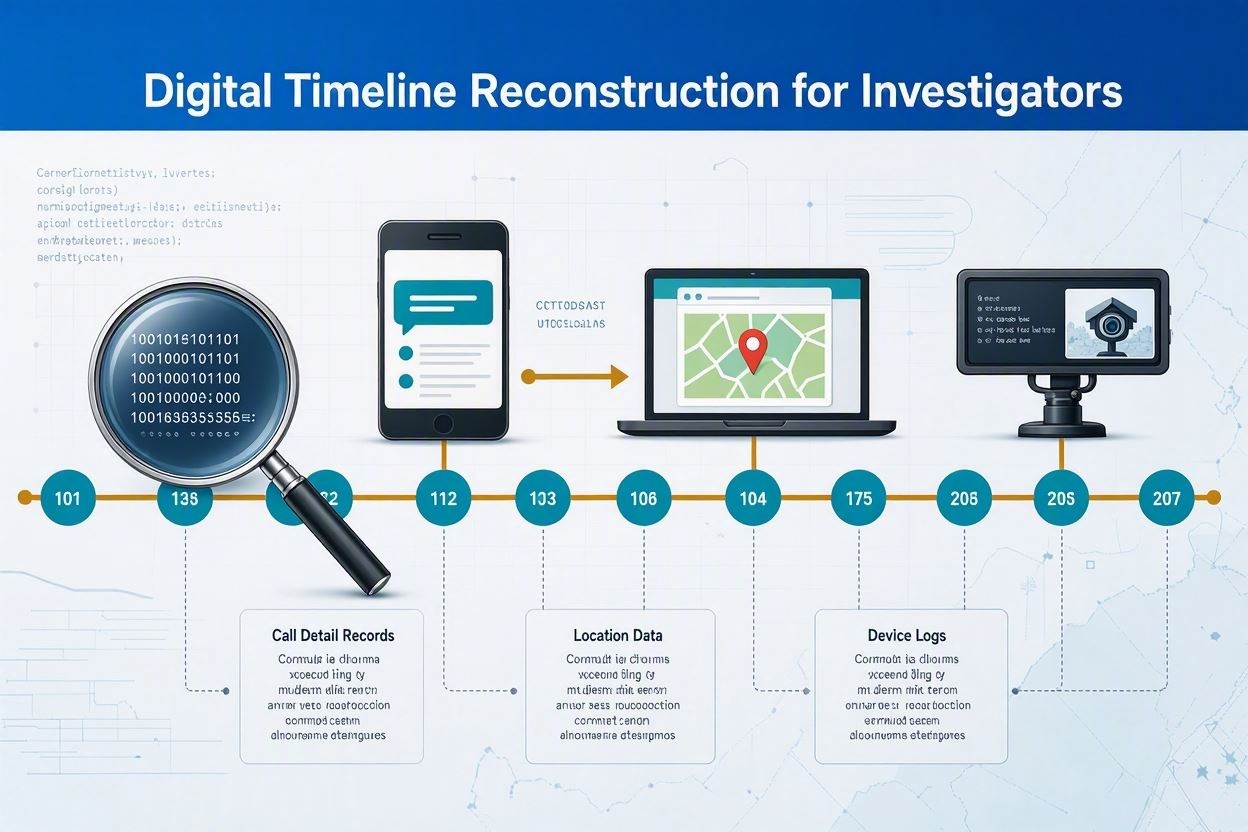
Modern investigations rarely begin with a single witness statement or one physical clue. They often start with thousands of digital traces: phone location records, cloud logins, file metadata, security camera timestamps, chat messages, app activity, payment records, and network logs. A specialized timeline reconstruction program helps investigators transform this fragmented evidence into a coherent sequence of events that can be reviewed, challenged, and explained.
42
24.09.2026
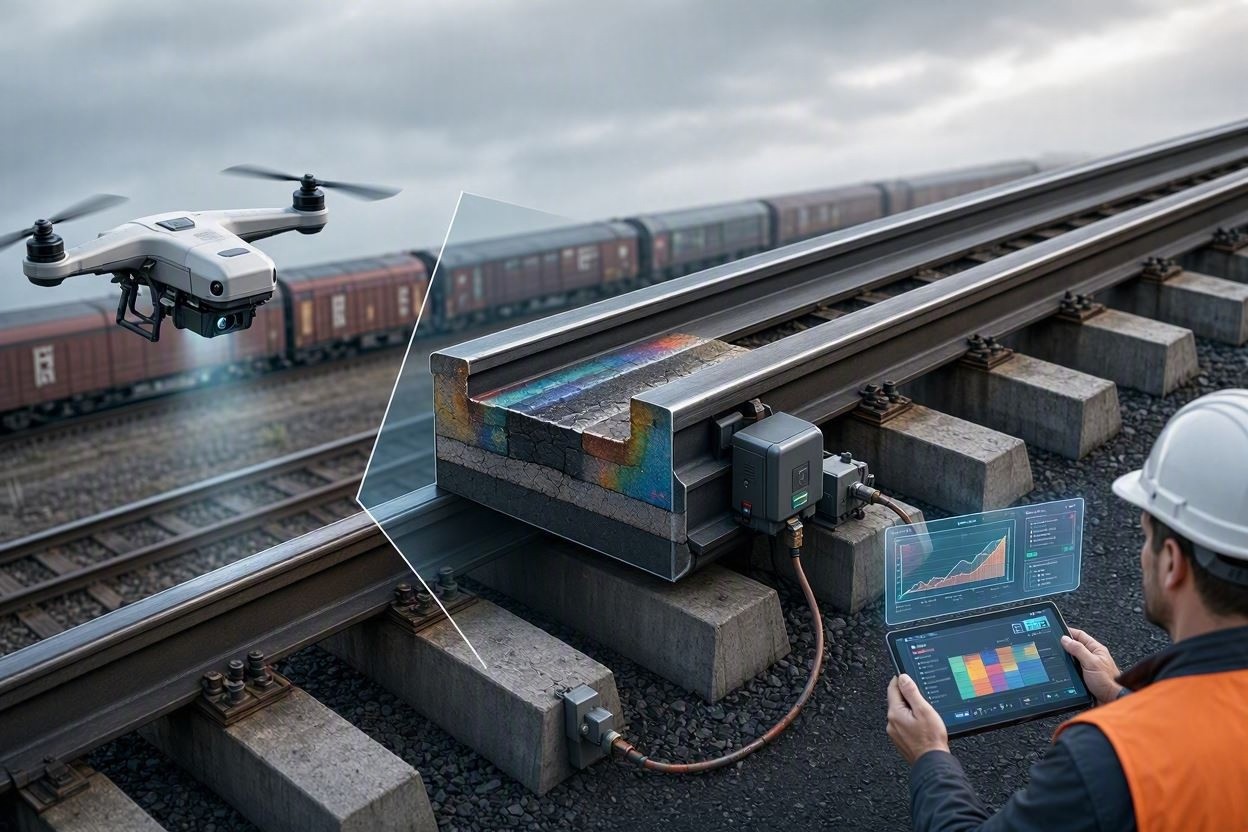
Rail infrastructure is exposed to millions of wheel passages, changing weather, vibration, braking forces, and heavy freight loads. Over time, these factors cause head wear, side wear, corrugation, cracks, squats, shelling, and other defects that can reduce ride quality and compromise safety. Traditional inspection methods remain essential, but they are often periodic, labor-intensive, and dependent on specialist interpretation. A neural network can strengthen this process by continuously analyzing rail condition data and predicting when replacement or corrective maintenance should be scheduled.
45
23.09.2026
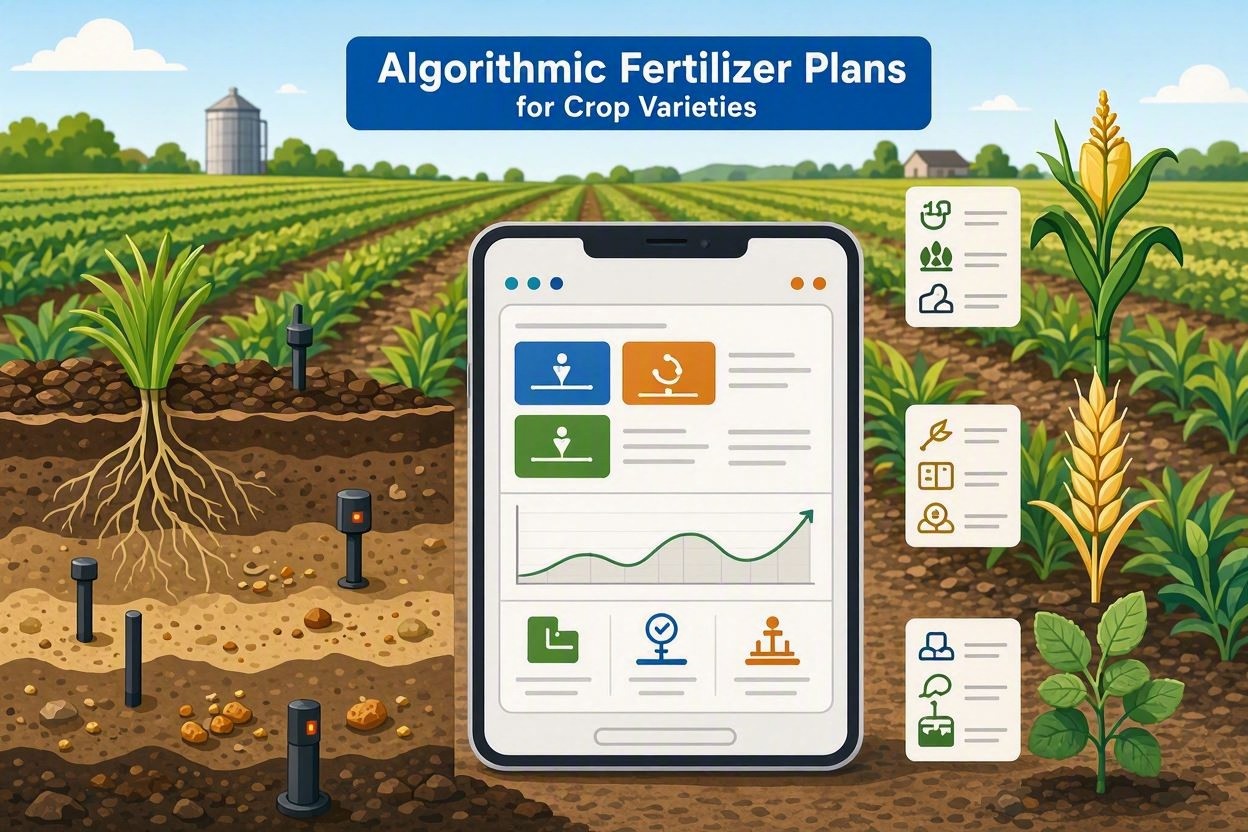
Fertilizer planning is no longer limited to broad recommendations such as “apply nitrogen in spring” or “add potassium before flowering.” Modern agriculture increasingly relies on data-driven systems that match nutrient supply to the exact needs of a crop variety, field condition, and production goal. An algorithm that selects the optimal fertilizer composition can reduce waste, improve yield stability, and support more sustainable farming decisions.
57
22.09.2026
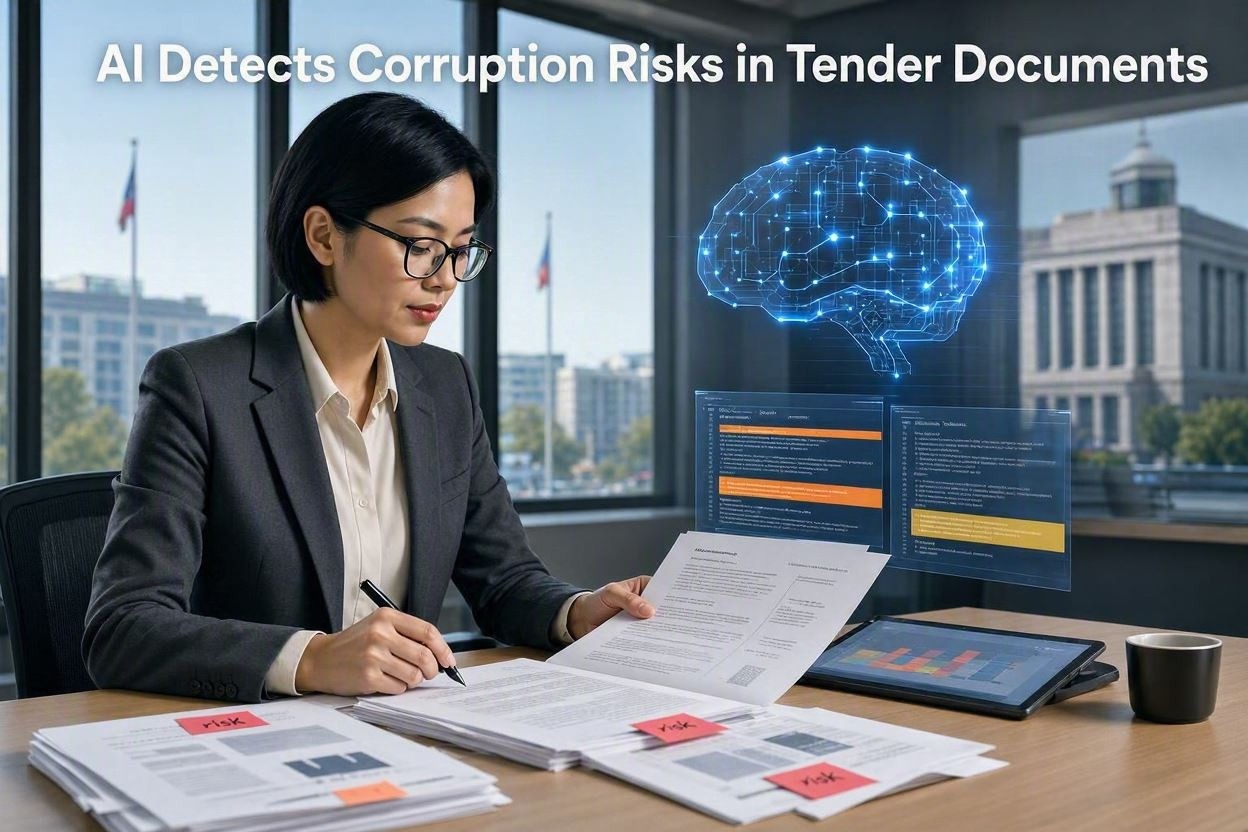
Public procurement is one of the most vulnerable areas for corruption because large budgets, complex requirements, and tight deadlines often meet limited oversight. Tender documentation may look formally correct while still containing hidden barriers, biased specifications, or suspicious conditions designed to favor a particular supplier. Artificial intelligence is changing how procurement teams, auditors, and anti-corruption bodies detect these risks before contracts are awarded.