
In recent years, there has been a significant advancement in the field of Artificial Intelligence (AI) and Augmented Reality (AR). These technologies have become increasingly popular and have the potential to enhance virtual experiences in various fields such as gaming, education, healthcare, and...
A Digital Speech Therapist Corrects Children's Pronunciation Remotely
170
30.06.2026
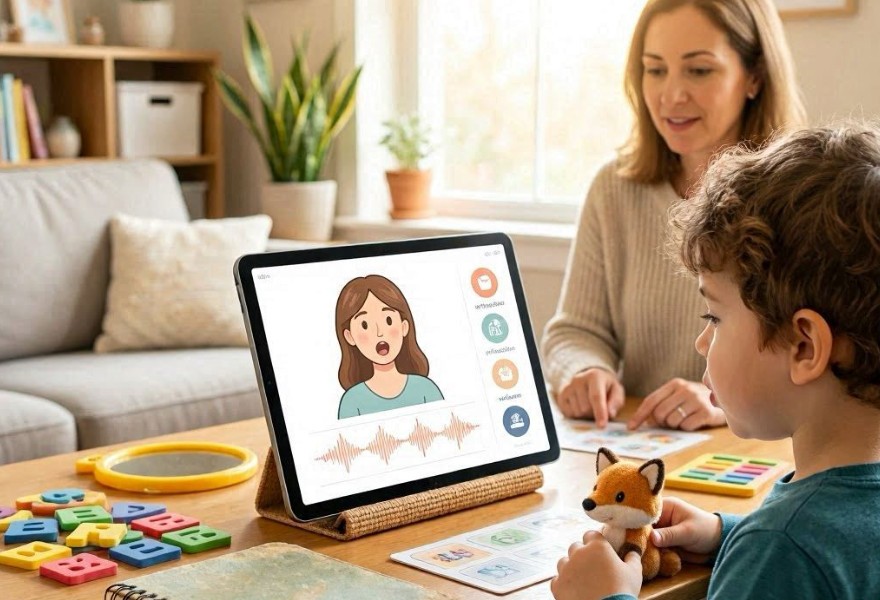
Communication is the foundation of a child's development, academic success, and social-emotional well-being. For children struggling with speech sound disorders, early intervention is critical. However, access to traditional speech-language pathology (SLP) services has historically been a significant barrier. Long waiting lists, high costs, and the geographical limitations of in-person therapy have left many families underserved. The emergence of digital speech therapy—programs that leverage advanced artificial intelligence to provide real-time, remote pronunciation correction—is bridging this gap, offering a scalable and effective solution for families around the globe.
These digital platforms do not aim to replace the human speech therapist. Instead, they serve as a powerful supplementary tool, transforming the therapy process from a weekly hour-long session into a continuous, engaging, and personalized experience that children can access from the comfort of their own homes.
How the Digital Speech Therapist Works
At the heart of remote speech therapy is the synergy between high-fidelity audio processing and machine learning. The technology is designed to mimic the clinical ear of a therapist, focusing on the minute physiological and acoustic details that define correct articulation.
Acoustic Modeling and Real-Time Analysis
When a child speaks into the application, the system uses deep learning models to analyze the acoustic features of their pronunciation. It breaks down the sound into its phonetic components, measuring frequency, duration, and tone. The AI compares these features against a dataset of normative speech patterns to identify exactly where the articulation deviates.
Gamification as a Pedagogical Tool
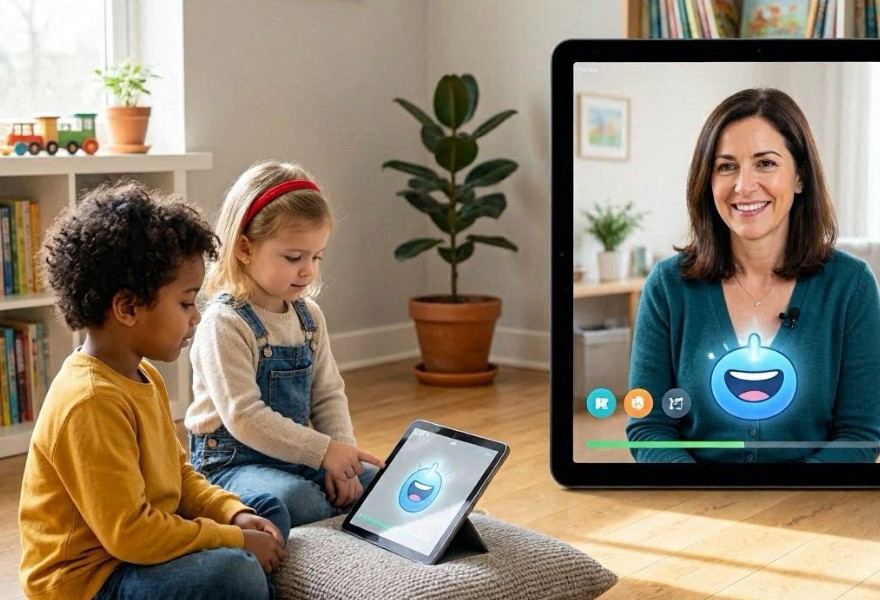
For a child, the "drudgery" of repetition is the greatest enemy of progress. Digital speech therapists overcome this through gamification. The software turns the difficult task of repeating the "r" or "s" sounds into interactive missions. As the child corrects their pronunciation, they earn points, unlock characters, or complete a quest. This keeps the child motivated and ensures they achieve the high volume of repetition-often hundreds of trials per week-that is necessary for neural plasticity and the formation of new speech motor patterns.
The Advantages of Remote Intervention
Moving therapy into the digital space offers benefits that go beyond simple convenience.
Data-Driven Progress Tracking
In traditional therapy, progress is often based on the therapist's notes. With digital tools, every attempt is recorded and analyzed. The platform provides detailed dashboards for both parents and therapists, showing the child's accuracy rates over time. This quantitative data allows therapists to make evidence-based decisions about which sounds to prioritize and when to advance the child to more complex linguistic targets.
Reducing Anxiety and Increasing Comfort
Many children experience "clinic anxiety" when working with a stranger in a formal setting. By interacting with a playful, non-judgmental digital interface at home, children often feel more relaxed. This reduced pressure allows them to experiment with their speech without the fear of making mistakes in front of a peer or an adult, leading to faster progress and increased confidence.
Addressing the Challenges of Digital Therapy
While the technology is transformative, it is not without hurdles. The primary challenge is ensuring that the software can handle diverse accents, dialects, and individual anatomical differences. Developers are constantly refining these models to be more inclusive and adaptable to ensure that no child is excluded due to their background or unique speech profile.
Collaboration is Key
- Hybrid Models: The most effective programs are those that integrate with traditional therapy, where the digital app provides the daily practice while a human therapist provides the complex clinical strategy.
- Parental Involvement: Digital platforms often include modules for parents, teaching them how to model correct speech and support their child’s efforts outside of the application.
A New Era for Speech Pathology
The rise of digital speech therapy represents a shift toward a more equitable healthcare landscape. By democratizing access to high-quality pronunciation tools, we are ensuring that children who live in rural areas, low-income households, or regions with a shortage of medical professionals are not left behind. These tools act as a force multiplier for the speech-language pathology profession, allowing therapists to manage more cases effectively while empowering families to take an active, successful role in their child's journey toward clear and confident communication.
Conclusion
The digital speech therapist is more than just an app; it is a vital evolution in how we support childhood development. By combining the precision of artificial intelligence with the engagement of modern game design, we are helping children find their voices. As these technologies continue to improve, they will become an essential component of every child’s toolkit, ensuring that every word they speak is clear, confident, and free of the barriers that once stood in their way.