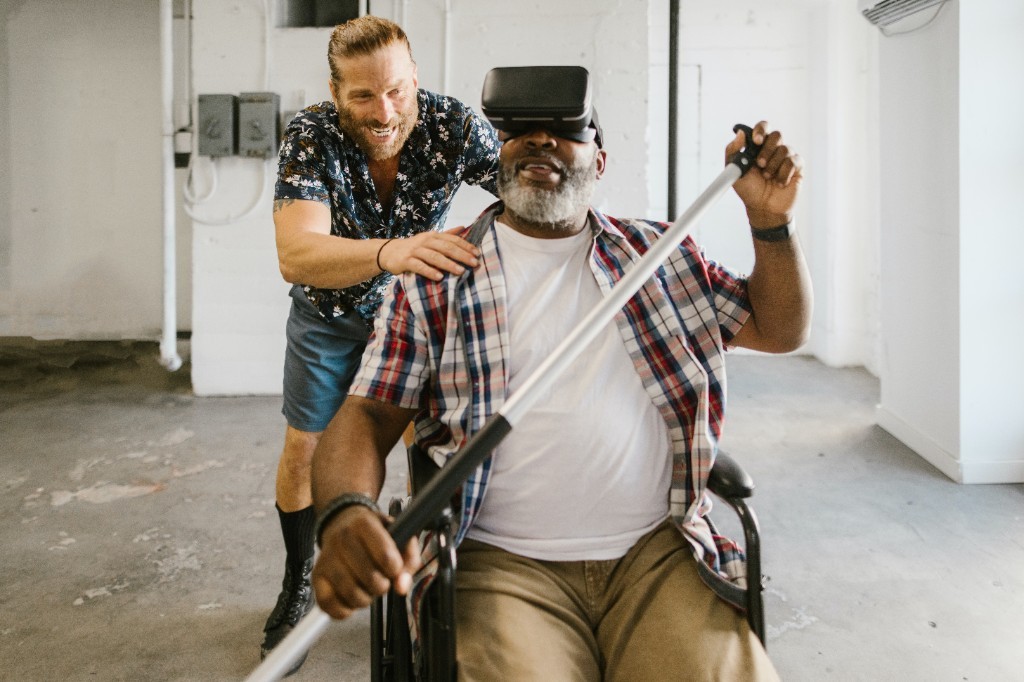

In recent years, there has been a significant advancement in the field of Artificial Intelligence (AI) and Augmented Reality (AR). These technologies have become increasingly popular and have the potential to enhance virtual experiences in various fields such as gaming, education, healthcare, and...
A Neural Network Finds the Owners of Lost Pets
181
17.05.2026
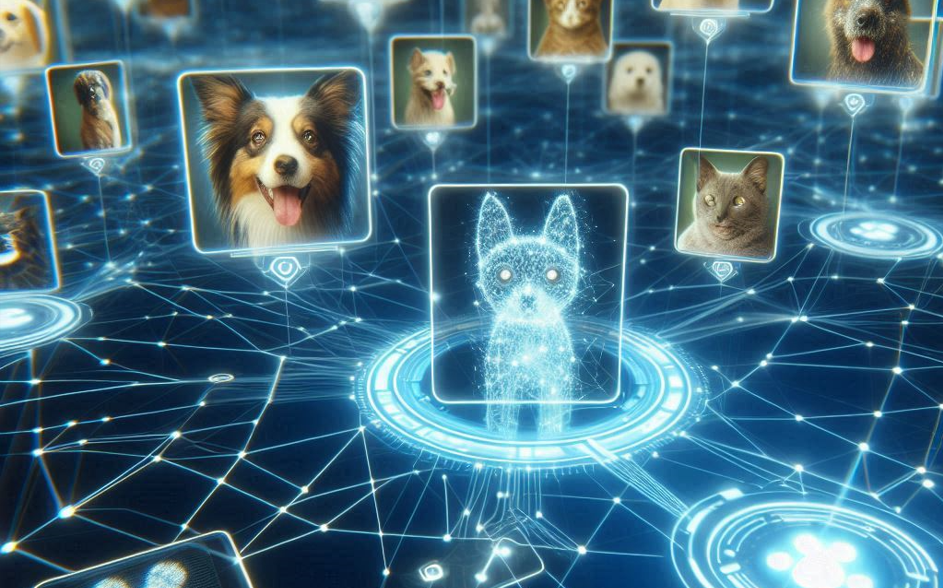
Losing a pet is an emotional and stressful experience. Traditional methods of finding lost animals—such as posters, social media posts, and shelter visits—can be time-consuming and uncertain. A neural network designed to match lost pets with their owners offers a new approach, using advanced image recognition and data analysis to reunite animals with their families more efficiently.
The Challenge of Reuniting Lost Pets
Identifying a lost pet can be difficult, especially when distinguishing features are subtle or not well documented. Shelters and volunteers often rely on manual comparison of photos and descriptions.
This process can be slow and prone to errors.
Common Difficulties
- Inconsistent photo quality
- Lack of unique identifiers
- Large volume of lost pet reports
The AI-Based Solution
The neural network analyzes images of pets and identifies unique patterns, such as fur markings, facial features, and body structure.
It compares these features with a database of registered pets to find potential matches.
Core Technologies
- Image recognition and pattern matching
- Feature extraction algorithms
- Database search and ranking systems
How the Matching Process Works
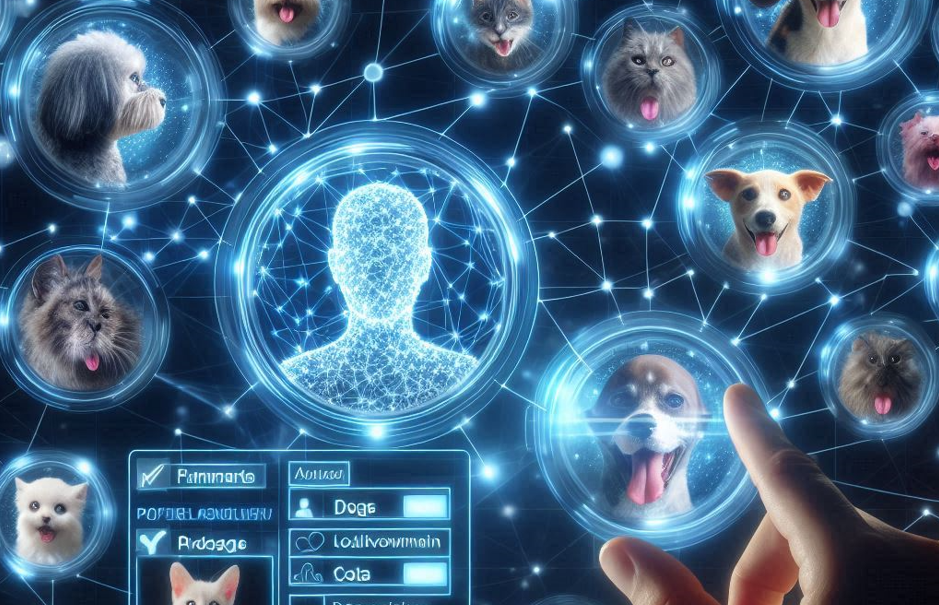
Users upload photos of lost or found pets, along with additional information. The system processes the images and generates a list of possible matches.
Steps Involved
- Image preprocessing and enhancement
- Feature extraction
- Similarity comparison
- Match ranking and output
Improving Accuracy with Additional Data
The system can incorporate other data, such as location and behavioral traits, to improve matching accuracy.
Additional Inputs
- Geographic location
- Time of disappearance
- Behavioral characteristics
Benefits for Pet Owners and Shelters
The technology speeds up the process of reuniting pets with their owners and reduces the burden on shelters.
Key Advantages
- Faster identification of pets
- Reduced manual effort
- Improved success rates
Challenges and Ethical Considerations
Ensuring data privacy and preventing misuse are important considerations. The system must also handle false positives carefully.
The Future of AI in Animal Welfare
As databases grow and algorithms improve, the system will become more accurate and widely used.
This innovation demonstrates how AI can support compassionate outcomes, helping reunite pets and owners more effectively than ever before.