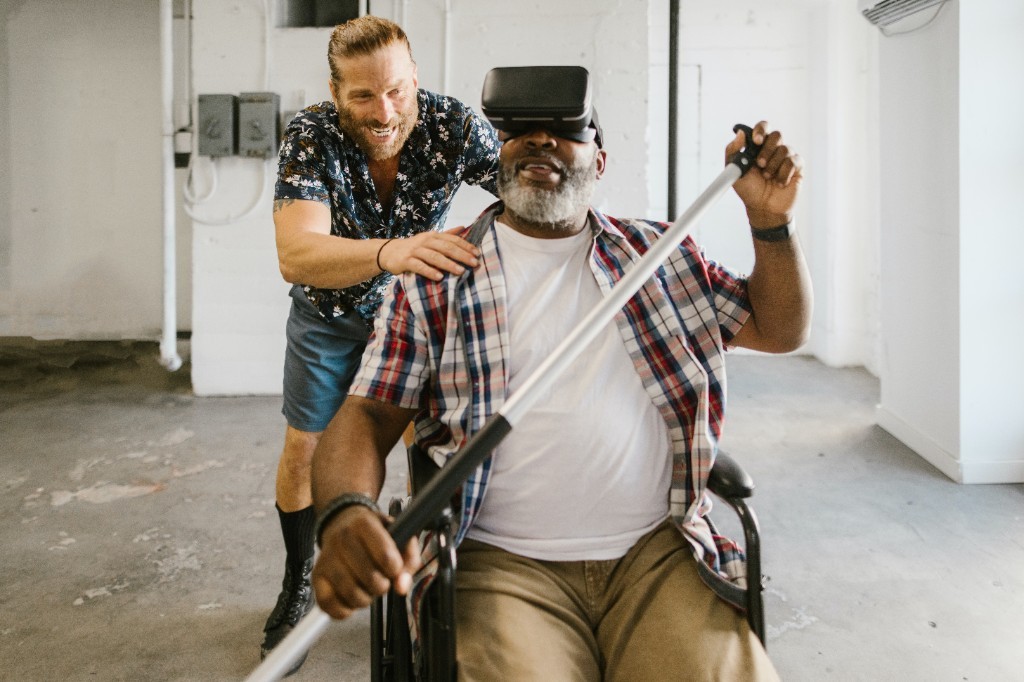
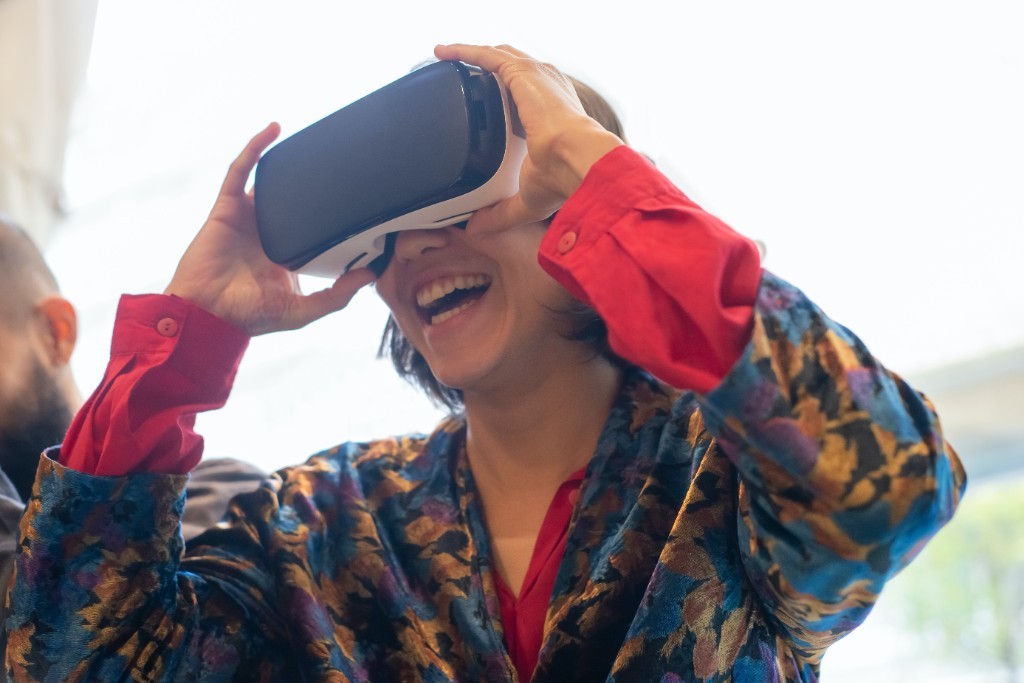
In recent years, there has been a significant advancement in the field of Artificial Intelligence (AI) and Augmented Reality (AR). These technologies have become increasingly popular and have the potential to enhance virtual experiences in various fields such as gaming, education, healthcare, and...
A Neural Network Guesses a Person's Profession by Their Handshake
275
18.04.2026
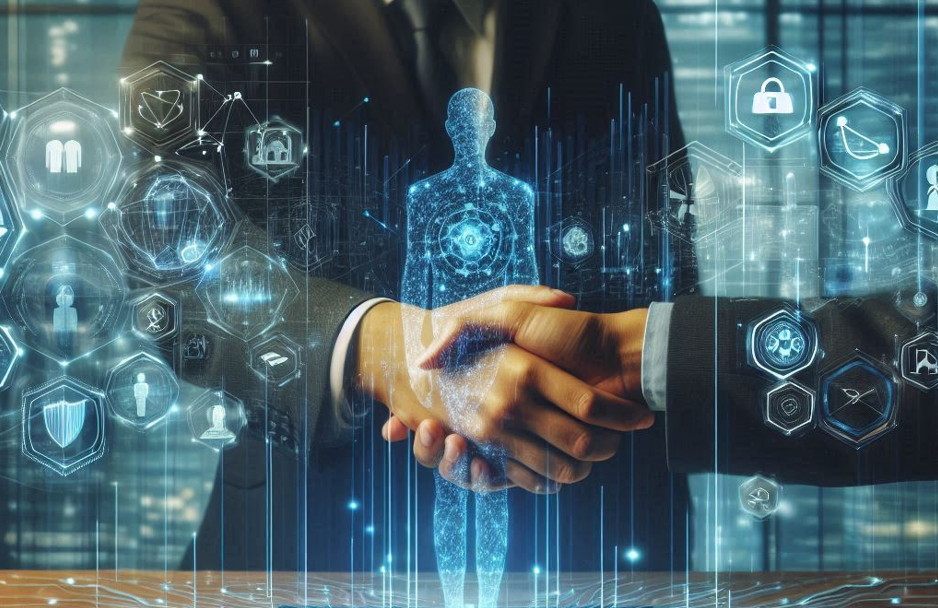
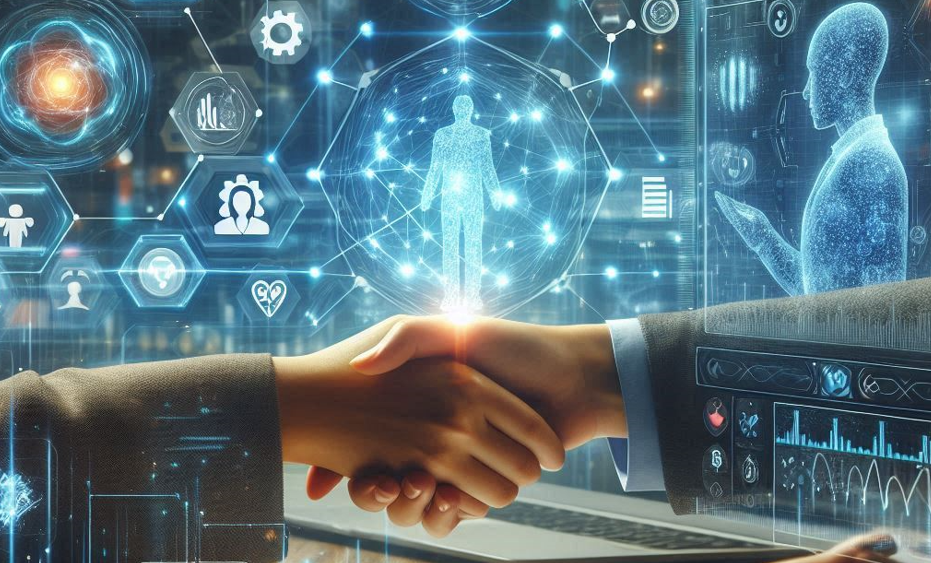
Human interaction is rich with subtle cues, many of which go unnoticed. Among these, the handshake stands out as a powerful yet overlooked signal. Researchers have developed a neural network capable of analyzing handshake patterns to predict a person’s profession with remarkable precision.
The Science Behind Handshakes
A handshake conveys information about confidence, personality, and even lifestyle. Factors such as grip strength, duration, motion, and pressure variation all contribute to a unique behavioral signature.
Data Collection Process
- Pressure sensors embedded in gloves
- Motion tracking for speed and rhythm
- Time-based analysis of interaction
Thousands of participants from diverse professions contributed data, enabling the neural network to identify patterns linked to specific occupational traits.
How the Neural Network Works
The system employs deep learning models trained on labeled datasets. By processing multidimensional inputs, it learns correlations between handshake features and professional categories.
Key Features Analyzed
- Grip intensity
- Handshake duration
- Consistency of motion
- Micro-adjustments during contact
For example, surgeons often exhibit steady, controlled handshakes, while athletes may display stronger grips with dynamic motion.
Accuracy and Limitations
Initial tests revealed accuracy rates exceeding 80% in controlled environments. However, real-world scenarios introduce variability, such as cultural differences and situational factors.
Challenges
- Environmental noise in data
- Individual variability within professions
- Cultural differences in handshake styles
Applications of the Technology
This innovation has potential applications in recruitment, behavioral research, and even security screening. While controversial, it demonstrates the depth of information embedded in human gestures.
Potential Uses
- Enhancing HR evaluation tools
- Improving human-computer interaction
- Supporting psychological studies
Ethical Considerations
The ability to infer personal information from physical interaction raises ethical concerns. Issues of privacy, consent, and bias must be carefully addressed.
Researchers emphasize that the technology should augment human judgment, not replace it. Transparency and ethical guidelines are essential for responsible deployment.
Future Directions
As AI continues to evolve, analyzing subtle human behaviors may become more common. The handshake, once a simple greeting, now serves as a gateway to understanding deeper aspects of human identity.
This technology challenges our perception of privacy and highlights the intricate connection between behavior and profession.