

In recent years, there has been a significant advancement in the field of Artificial Intelligence (AI) and Augmented Reality (AR). These technologies have become increasingly popular and have the potential to enhance virtual experiences in various fields such as gaming, education, healthcare, and...
A Program That Analyzes Sales Managers' Calls and Provides Actionable Feedback
53
19.09.2026
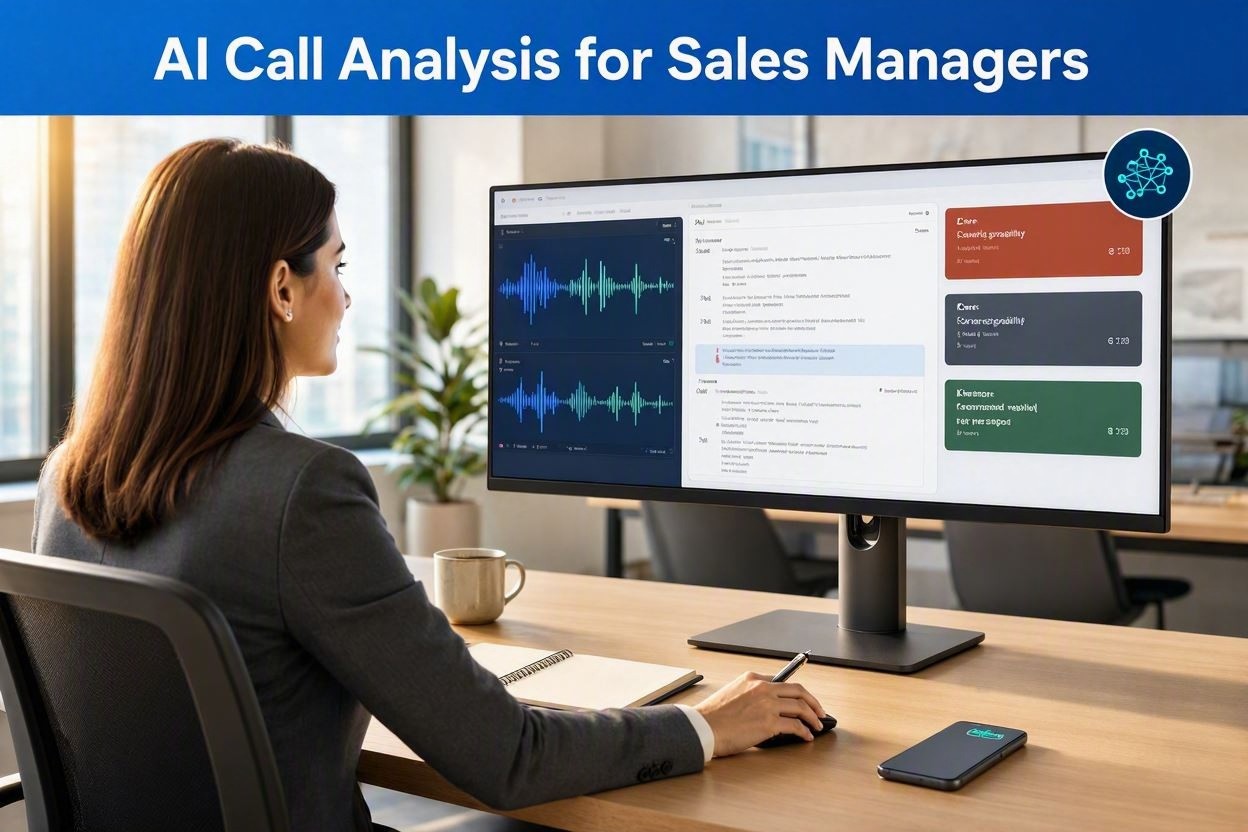
Sales conversations contain some of the most valuable data in any revenue organization. Every objection, pause, question, and closing attempt reveals how well a manager understands the customer and controls the deal. Yet many companies still rely on random call reviews, subjective coaching, or delayed CRM notes. A program that analyzes sales managers' calls changes this process by turning everyday conversations into measurable, practical insights.
Modern call analysis software uses artificial intelligence, speech recognition, and conversation intelligence to evaluate recorded or live calls. It does not simply transcribe words. It identifies patterns, measures behavior, highlights risks, and recommends specific actions that help sales managers improve performance faster.
How Sales Call Analysis Software Works
1. Capturing and Transcribing Conversations
The process starts with call capture. The program connects to phone systems, video meeting tools, or CRM platforms and records conversations automatically, subject to consent and compliance requirements. It then creates a searchable transcript, making it easy to review what was actually said instead of relying on memory or incomplete notes.
2. Detecting Key Sales Signals
After transcription, the system analyzes language, timing, and context. It can detect customer objections, competitor mentions, pricing discussions, buying signals, next steps, and unanswered questions. Advanced tools also measure talk-to-listen ratio, interruptions, speaking pace, sentiment, and whether the manager followed the approved sales methodology.
3. Turning Data Into Feedback
The most useful programs do not stop at dashboards. They provide actionable feedback. For example, instead of saying that a call had a low score, the software may show that the manager spoke for 78% of the conversation, skipped discovery questions, and moved to pricing before confirming the customer’s business pain. This level of detail makes coaching concrete and immediate.
What Actionable Feedback Looks Like
Actionable feedback is specific, timely, and connected to a behavior that can be improved. A good call analysis program may generate recommendations such as:
- Ask at least two follow-up questions after the prospect describes a challenge.
- Confirm the decision-making process before presenting a proposal.
- Reduce monologue length during product demonstrations.
- Address pricing objections by restating value before offering discounts.
- Set a clear next step with date, owner, and expected outcome.
This type of feedback helps sales managers understand not only what went wrong, but also how to correct it on the next call. It also gives team leaders objective examples for coaching sessions, reducing arguments based on opinion.

Benefits for Sales Teams
Faster Onboarding
New sales managers often need months to master messaging, qualification, and objection handling. Call analysis software shortens this learning curve by showing real examples of strong and weak conversations. New hires can compare their calls with top performers and learn what successful behavior sounds like in practice.
Consistent Coaching
Managers cannot manually review every call. As a result, coaching is often uneven and based on a small sample. Automated analysis gives leaders a complete view of team performance and helps them prioritize who needs support, which skills require attention, and which calls deserve deeper review.
Improved Forecast Accuracy
Sales forecasts depend on the quality of information gathered during conversations. If a manager fails to confirm budget, urgency, stakeholders, or next steps, the deal may look healthier than it is. Conversation intelligence identifies missing qualification data and warns leaders when opportunities are at risk.
Key Features to Look For
Not every call analysis tool delivers the same value. When evaluating a solution, companies should look beyond basic transcription and consider features that directly support performance improvement.
- CRM integration: Calls, notes, scores, and recommendations should sync with existing sales records.
- Custom scorecards: The system should reflect your sales process, not a generic checklist.
- Keyword and topic tracking: Leaders should be able to monitor important themes such as competitors, discounts, or product issues.
- Coaching workflows: Feedback should lead to tasks, comments, playlists, or training assignments.
- Compliance controls: Recording, storage, and access must follow relevant privacy regulations.
Best Practices for Implementation
Position the Tool as Support, Not Surveillance
Sales managers may resist call analysis if they see it as a monitoring system designed to punish mistakes. Leaders should explain that the goal is skill development, better customer conversations, and higher win rates. Transparency about what is tracked and how data will be used is essential.
Start With Clear Metrics
Before launching the program, define what good looks like. Metrics may include discovery depth, objection handling quality, next-step clarity, customer engagement, or adherence to a sales framework. Clear standards help the software produce meaningful recommendations.
Combine AI Insights With Human Judgment
Artificial intelligence can detect patterns at scale, but it should not replace experienced sales leadership. The best results come when managers use AI-generated feedback as a starting point for thoughtful coaching, role-play, and strategy discussions.
Conclusion
A program that analyzes sales managers' calls and provides actionable feedback can become a powerful engine for revenue growth. It transforms conversations into structured data, reveals hidden performance gaps, and gives managers practical guidance they can apply immediately. When implemented with clear goals and a coaching mindset, call analysis software helps sales teams sell smarter, learn faster, and create better buying experiences.