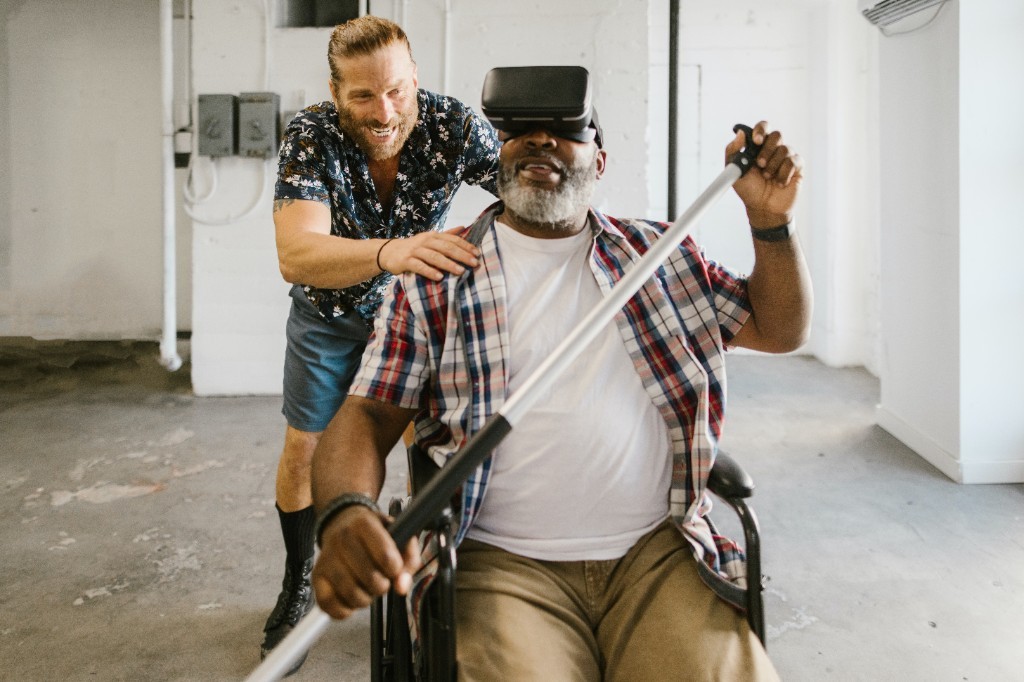

In recent years, there has been a significant advancement in the field of Artificial Intelligence (AI) and Augmented Reality (AR). These technologies have become increasingly popular and have the potential to enhance virtual experiences in various fields such as gaming, education, healthcare, and...
A Program Voices Comic Books Using Fitting Character Voices
186
15.05.2026
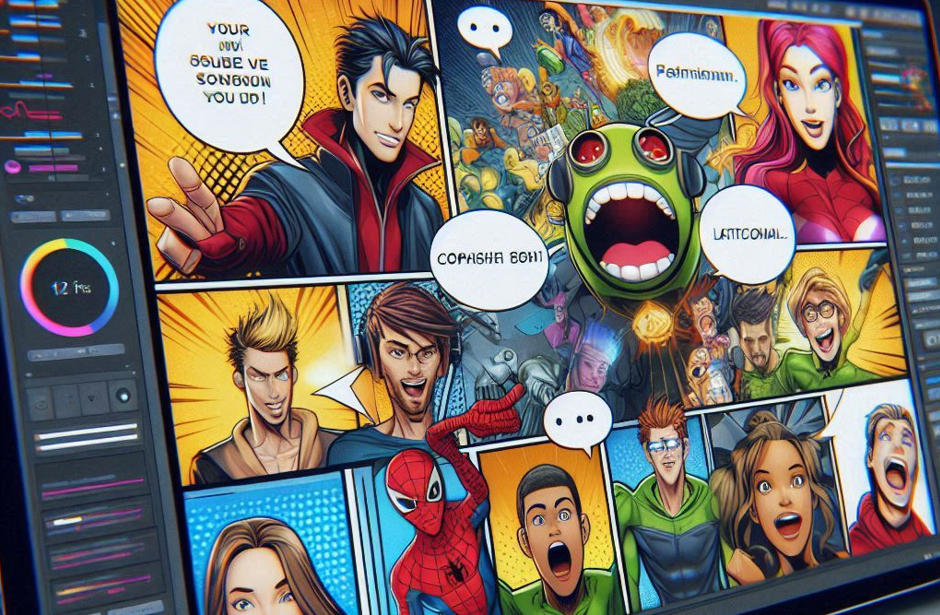
Comic books have long been a unique storytelling medium, combining visual art with written dialogue to create vivid narratives. Readers interpret tone, emotion, and pacing internally, imagining how characters might sound. While this imaginative process is part of the appeal, it also creates limitations for accessibility and immersion. A new program seeks to transform the comic book experience by voicing panels with fitting character voices, turning static pages into dynamic, audio-enhanced storytelling environments.
The Nature of Comic Storytelling
Comics rely heavily on visual cues such as facial expressions, typography, and panel composition. Dialogue is often stylized, with variations in font size, shape, and placement indicating tone or emphasis. Readers must mentally reconstruct how each character speaks, which requires both imagination and contextual understanding.
This process can vary widely between individuals. One reader may imagine a character as calm and measured, while another interprets the same dialogue as energetic or sarcastic. The absence of sound creates both creative freedom and interpretive ambiguity.
Key Elements of Comic Communication
- Speech bubbles conveying dialogue and tone
- Visual cues indicating emotion and intensity
- Panel transitions shaping pacing and rhythm
- Typography influencing perceived voice characteristics
The Concept of Automated Comic Voicing
The program introduces an audio layer to comics by analyzing visual and textual elements and generating corresponding voices. Each character is assigned a unique voice profile that reflects their personality, role, and emotional state.
Rather than simply reading text aloud, the system interprets context, ensuring that delivery matches the intended narrative tone.
Core Capabilities
- Character-specific voice generation
- Emotion-aware speech synthesis
- Dynamic pacing aligned with panel transitions
- Integration of background sound effects
How the System Works
The program uses a combination of computer vision and natural language processing to analyze comic panels. It identifies characters, extracts dialogue, and interprets visual cues.
Once the analysis is complete, the system generates audio using advanced voice synthesis models.
Processing Pipeline
- Image recognition to detect characters and panel structure
- Text extraction from speech bubbles
- Contextual analysis of dialogue and visuals
- Voice synthesis with emotional modulation
For example, a character depicted with an angry expression and bold text may be voiced with increased intensity and sharper tone.
Creating Distinct Character Voices
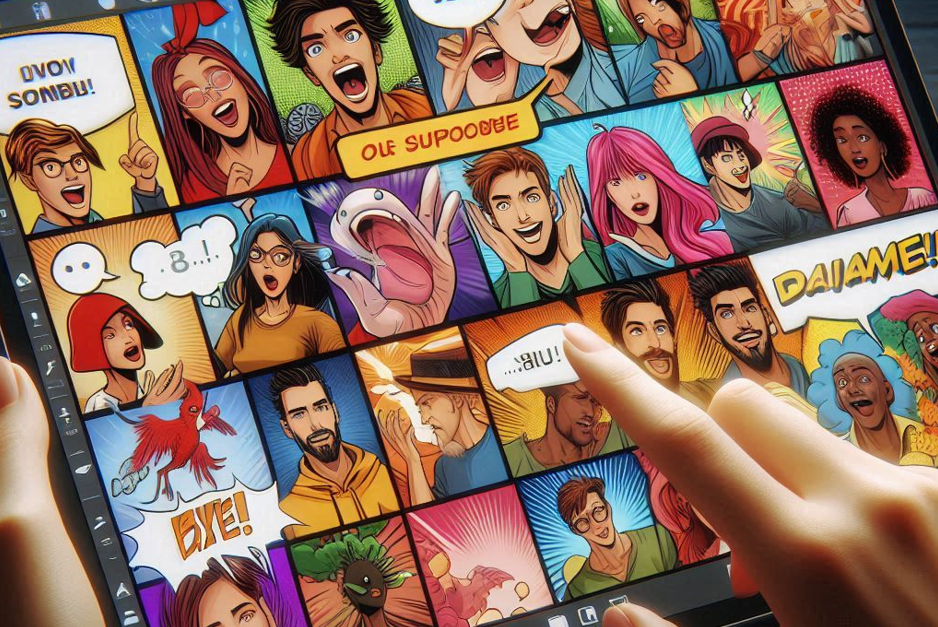
One of the most important aspects of the system is its ability to differentiate between characters. Voice profiles are generated based on factors such as age, personality, and narrative role.
Protagonists, antagonists, and supporting characters all receive distinct vocal characteristics, enhancing clarity and immersion.
Voice Differentiation Factors
- Pitch and tone variation
- Speech rhythm and pacing
- Emotional expression patterns
- Contextual adjustments during dialogue
Enhancing Accessibility
The program significantly improves accessibility for visually impaired readers and individuals who struggle with reading. By converting comics into audio experiences, it opens the medium to a broader audience.
It also benefits users who prefer auditory learning or want to enjoy comics in a hands-free format.
Immersion and Storytelling Impact
Adding voice to comics creates a hybrid form of storytelling that combines elements of audiobooks and graphic novels. This enhances emotional engagement and makes narratives more vivid.
Sound effects and ambient audio can further enrich the experience, simulating environments and actions depicted in the panels.
Challenges and Limitations
Despite its capabilities, the system must address several challenges. Accurately interpreting artistic styles and subtle visual cues can be complex.
Potential Issues
- Ambiguity in character identification
- Variability in artistic styles
- Balancing automation with creative intent
The Future of Interactive Comics
As technology advances, comic books may evolve into fully interactive experiences, combining visuals, audio, and user interaction. The program represents an early step in this direction.
By giving characters a voice, it redefines how stories are experienced, blending imagination with technology to create a richer narrative medium.