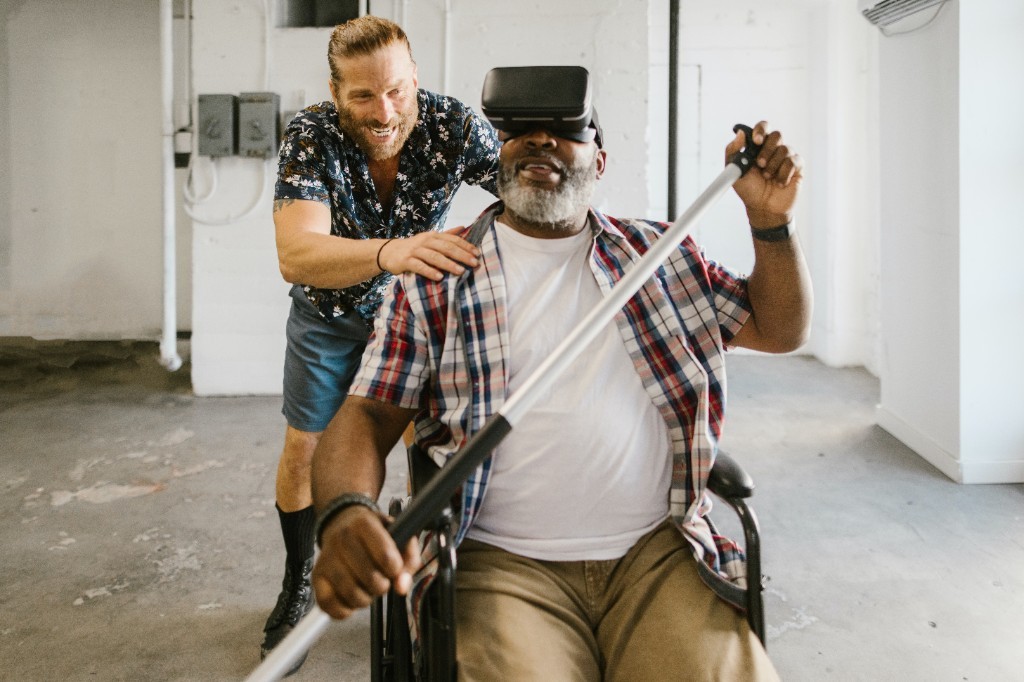

In recent years, there has been a significant advancement in the field of Artificial Intelligence (AI) and Augmented Reality (AR). These technologies have become increasingly popular and have the potential to enhance virtual experiences in various fields such as gaming, education, healthcare, and...
A Robot Postman Memorized Every Street in a Small Town
460
17.04.2026
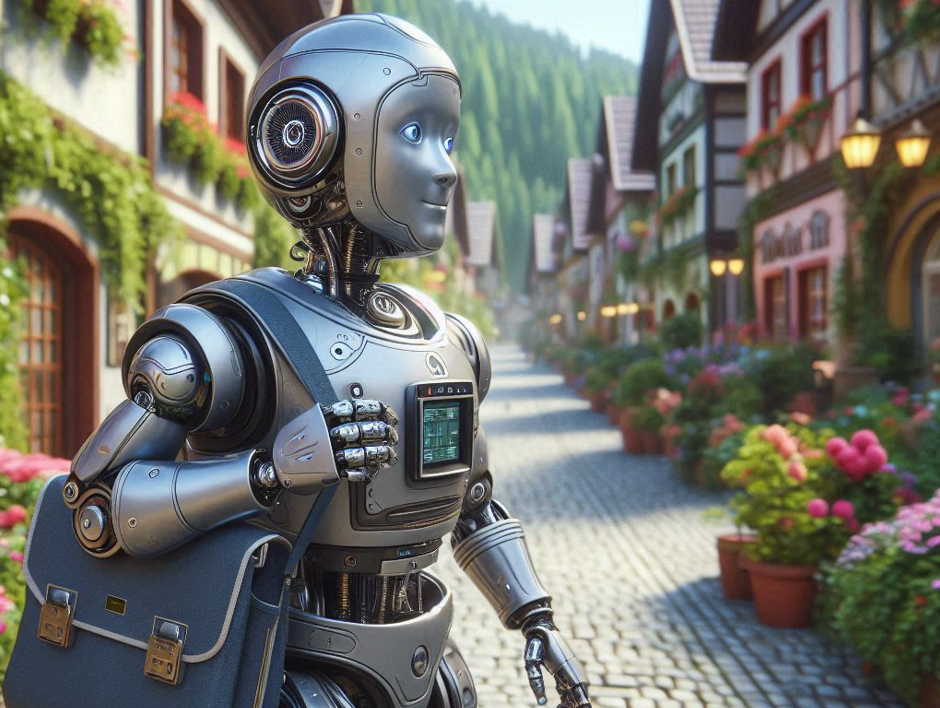
In a quiet small town, where narrow streets curve unpredictably and houses carry decades of history, a technological breakthrough has reshaped daily life. A robot postman, designed with advanced navigation systems and adaptive learning algorithms, has successfully memorized every route, alley, and hidden corner. What began as an experimental deployment has now become an essential part of the town’s infrastructure.
The Birth of an Autonomous Delivery System
The idea emerged from a simple challenge: how to optimize mail delivery in areas where traditional logistics struggled. Human postmen often relied on experience, memory, and intuition. Replicating that level of familiarity in a machine required more than GPS—it demanded contextual learning.
Key Technologies Behind the Robot
- Simultaneous Localization and Mapping (SLAM)
- Computer vision for obstacle recognition
- Reinforcement learning for route optimization
- Edge computing for real-time decision making
Unlike conventional delivery robots, this system continuously refined its understanding of the town’s layout. Over weeks, it built a detailed mental map, accounting for seasonal changes, construction zones, and even habitual pedestrian traffic.
Learning the Town Like a Human
What sets this robot apart is not just its memory capacity, but its ability to contextualize information. It doesn’t simply “know” streets—it understands patterns. For example, it recognizes that a particular road becomes crowded during school hours or that certain pathways are blocked after heavy rain.
This contextual awareness allows the robot to make decisions similar to those of an experienced human postman. Over time, residents began to trust its reliability, noting that deliveries often arrived faster and with fewer errors.
Adaptive Route Optimization
The robot uses a dynamic routing system that updates in real time. If a street is temporarily inaccessible, it calculates alternative paths instantly. Its learning process includes:
- Analyzing historical delivery data
- Monitoring environmental changes
- Incorporating feedback from residents
Impact on the Community
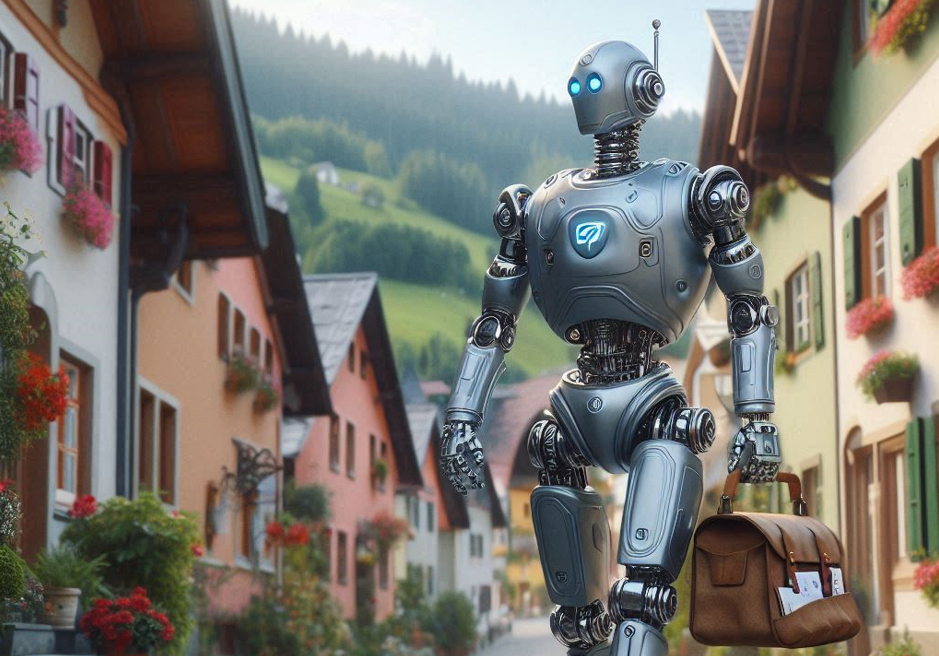
The introduction of the robot postman has had profound effects on the town. Initially met with curiosity, it quickly became a symbol of innovation. Residents appreciated its punctuality and consistency, while local authorities noted improved efficiency in postal operations.
Interestingly, the robot also fostered new forms of interaction. Children often followed it along its route, while elderly residents found comfort in its predictable schedule.
Benefits Observed
- Reduced delivery time by up to 40%
- Lower operational costs
- Enhanced accessibility in remote areas
- Improved reliability during adverse weather
Challenges and Ethical Considerations
Despite its success, the deployment raised important questions. Could automation replace human workers? How should data collected by the robot be managed? Developers addressed these concerns by ensuring transparency and maintaining human oversight.
The robot operates under strict privacy guidelines, processing visual data locally without storing personal information. Additionally, it complements rather than replaces human workers, handling routine deliveries while freeing people for more complex tasks.
The Future of Autonomous Delivery
The success of this small-town experiment has inspired broader adoption. Similar systems are now being tested in larger cities, with adaptations for higher population density and traffic complexity.
Ultimately, the robot postman represents more than technological advancement—it reflects a shift toward smarter, more responsive infrastructure. By learning and adapting like a human, it bridges the gap between machine efficiency and real-world unpredictability.
As the town continues to evolve, one thing remains certain: its robot postman will always know the way.