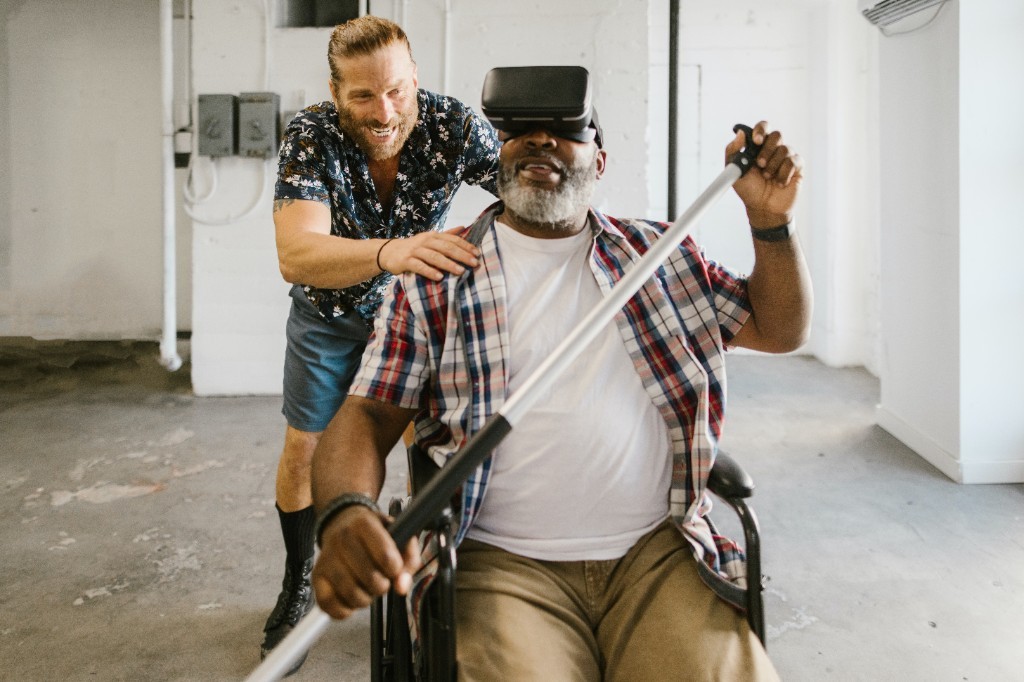

In recent years, there has been a significant advancement in the field of Artificial Intelligence (AI) and Augmented Reality (AR). These technologies have become increasingly popular and have the potential to enhance virtual experiences in various fields such as gaming, education, healthcare, and...
A robot postman memorized the routes of every street in a small town
446
16.04.2026
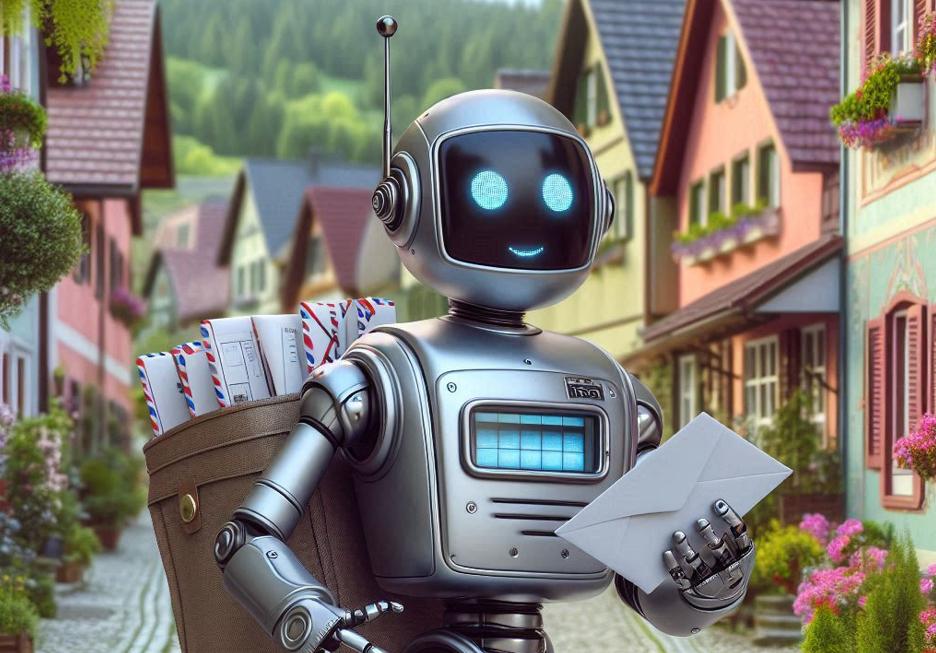
In a quiet small town, a seemingly simple experiment has turned into a breakthrough in autonomous logistics. A robot postman, initially introduced as a pilot project, has successfully memorized every street, alley, and delivery point within the area. What began as a test of navigation technology evolved into a demonstration of how machines can internalize and optimize complex real-world systems.
The robot did not rely solely on static maps. Instead, it learned through experience. During its early days, it followed predefined routes while continuously collecting data about road conditions, obstacles, delivery frequency, and even human activity patterns. Over time, it developed an internal representation of the town that was far more dynamic than traditional GPS systems.
Learning through repetition and adaptation
The system behind the robot combines reinforcement learning with spatial mapping. Each delivery run contributed to improving its decision-making. If a route proved inefficient due to congestion or obstacles, the robot adjusted its future behavior. This iterative process allowed it to gradually refine its routes.
Interestingly, the robot also learned temporal patterns. It recognized which streets were busier at certain times of day and adjusted its schedule accordingly. This level of contextual awareness is what sets it apart from conventional delivery automation.
Core capabilities
The robot integrates multiple layers of intelligence. It understands geography, predicts movement patterns, and optimizes routes in real time. It can also reroute instantly when encountering unexpected changes, such as roadworks or blocked pathways.
Impact on local logistics
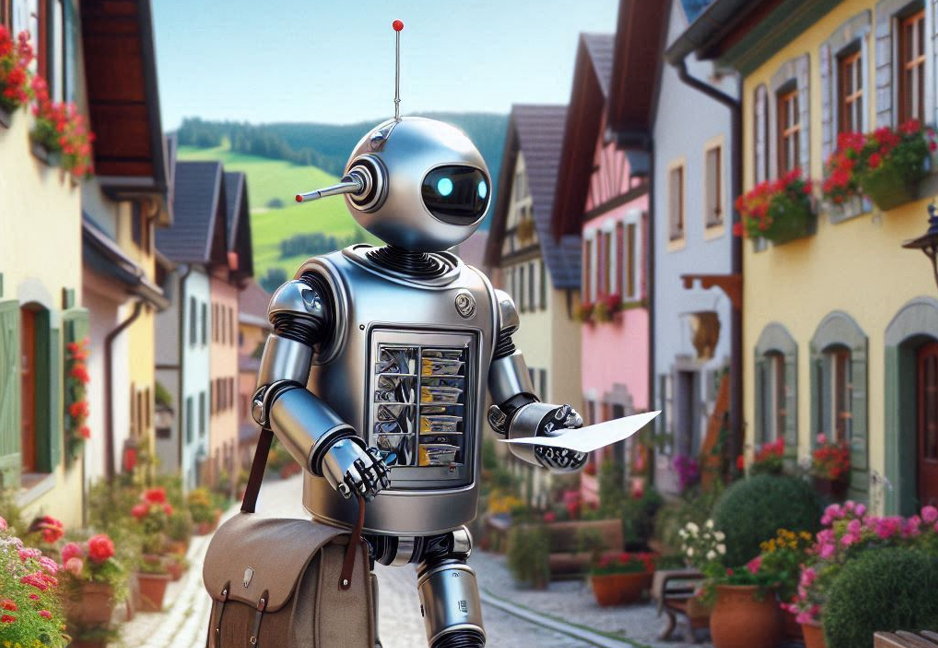
For the town, the introduction of the robot postman brought noticeable improvements. Delivery times became more predictable, and operational costs were reduced. Residents quickly adapted to the new system, often interacting with the robot as part of their daily routine.
At the same time, the project demonstrated how small-scale environments can serve as ideal testing grounds for advanced technologies. The controlled complexity of a small town allowed developers to refine the system before scaling it to larger urban areas.
Challenges and broader implications
Despite its success, the robot is not without limitations. Extreme weather conditions, infrastructure gaps, and ethical considerations around automation remain important factors. However, the experiment clearly shows that autonomous systems can move beyond rigid programming and begin to “understand” environments in a meaningful way.
As similar technologies evolve, robot postmen may become a standard component of smart cities, seamlessly integrating into everyday life.