
In recent years, there has been a significant advancement in the field of Artificial Intelligence (AI) and Augmented Reality (AR). These technologies have become increasingly popular and have the potential to enhance virtual experiences in various fields such as gaming, education, healthcare, and...
A Smart Bracelet Reads Stress Levels and Suggests Exercises
196
12.05.2026
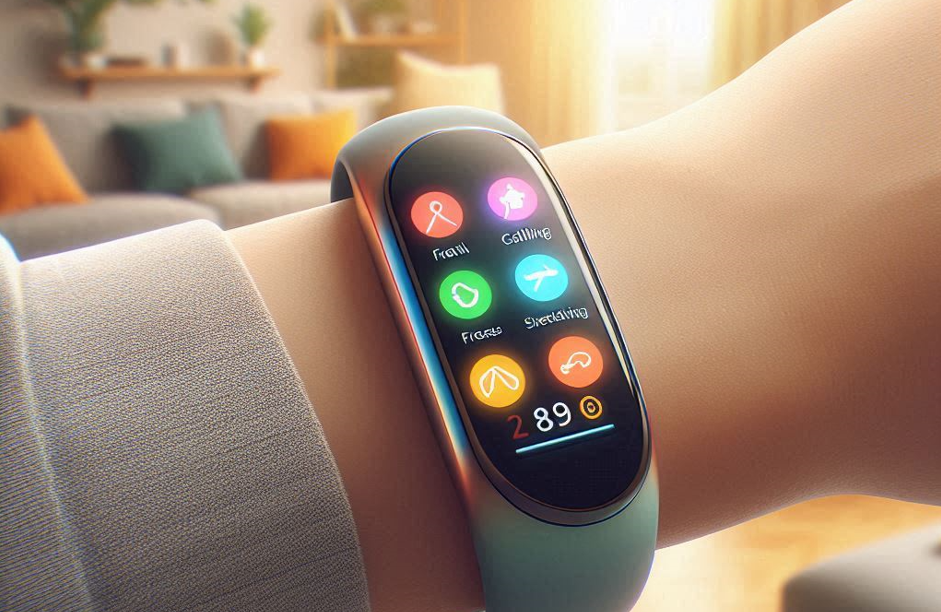
Stress has become an almost unavoidable part of modern life. Whether caused by work, social pressures, or environmental factors, prolonged stress can have serious effects on both mental and physical health. While many people attempt to manage stress through various techniques, identifying it accurately in real time remains a challenge. A smart bracelet designed to read stress levels and suggest personalized exercises offers a promising solution, combining wearable technology with advanced data analysis to support well-being.
The Nature of Stress and Its Impact
Stress is a physiological response to perceived challenges or threats. It triggers the release of hormones such as cortisol and adrenaline, preparing the body for action. While short-term stress can be beneficial, chronic stress can lead to fatigue, anxiety, and a range of health issues.
Recognizing stress early is essential for effective management. However, many people are not fully aware of their stress levels until symptoms become pronounced.
Common Indicators of Stress
- Increased heart rate
- Irregular breathing patterns
- Muscle tension
- Difficulty concentrating
The Concept of a Smart Bracelet
The smart bracelet is a wearable device equipped with sensors that continuously monitor physiological signals. Unlike traditional fitness trackers, it focuses specifically on stress detection and management.
By analyzing real-time data, the bracelet provides insights into the user’s emotional and physical state, enabling proactive intervention.
Core Features
- Continuous monitoring of vital signs
- Stress level detection using AI algorithms
- Personalized exercise recommendations
- Integration with mobile applications
How Stress Detection Works
The bracelet collects data from multiple sensors and processes it using machine learning models. These models are trained to recognize patterns associated with stress.
The system does not rely on a single indicator but combines several signals to improve accuracy.
Key Data Inputs
- Heart rate variability
- Skin conductivity (galvanic response)
- Body temperature fluctuations
- Movement and activity levels
By correlating these factors, the bracelet can detect subtle changes that indicate rising stress levels.
Personalized Exercise Recommendations
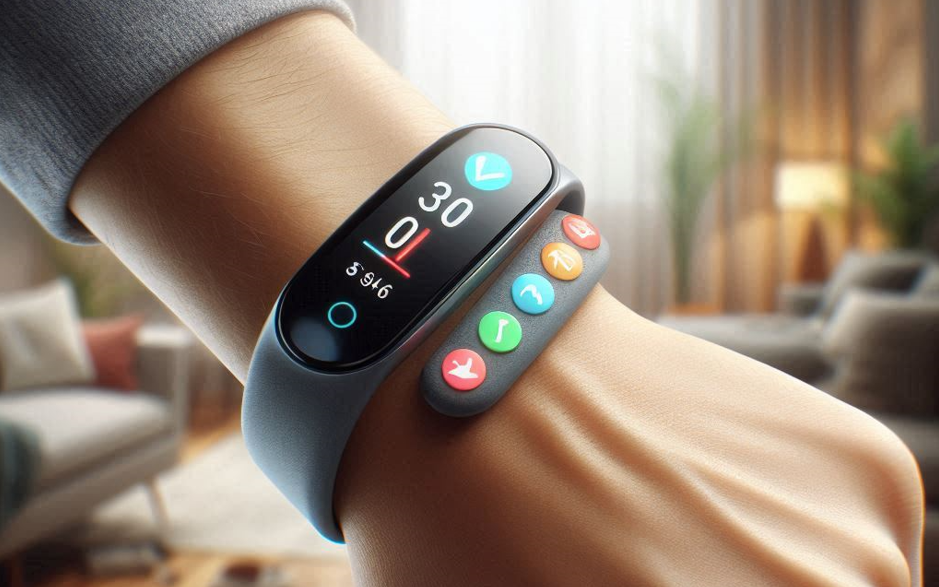
Once stress is detected, the bracelet suggests exercises tailored to the user’s condition. These exercises aim to reduce stress and restore balance.
The recommendations vary depending on the intensity and duration of stress.
Types of Exercises
- Breathing techniques for immediate relief
- Short physical activities to release tension
- Mindfulness and relaxation exercises
- Guided stretching routines
For example, during acute stress, the bracelet may prompt the user to perform deep breathing exercises. For prolonged stress, it might suggest a longer relaxation session.
Adaptive Learning and Personalization
The system continuously learns from the user’s responses to recommendations. Over time, it refines its suggestions to better match individual preferences and effectiveness.
This personalization ensures that the device becomes more accurate and useful with continued use.
Adaptive Features
- Learning user-specific stress patterns
- Adjusting recommendations based on feedback
- Tracking long-term trends
Benefits for Everyday Life
The smart bracelet offers practical benefits for managing stress in daily life. It helps users become more aware of their emotional state and take action before stress escalates.
Key Advantages
- Early detection of stress
- Immediate and actionable guidance
- Improved mental and physical health
- Enhanced productivity and focus
Challenges and Limitations
Despite its potential, the technology faces challenges. Physiological signals can vary between individuals, and external factors may influence readings.
Potential Issues
- Sensor accuracy and calibration
- Variability in individual responses
- Dependence on user compliance
The Future of Wearable Well-Being Technology
As wearable devices become more sophisticated, they are likely to play an increasingly important role in health management. Future versions of the smart bracelet may integrate with broader health systems, providing more comprehensive insights.
Ultimately, this technology represents a shift toward proactive well-being, empowering individuals to understand and manage stress more effectively.