
In recent years, there has been a significant advancement in the field of Artificial Intelligence (AI) and Augmented Reality (AR). These technologies have become increasingly popular and have the potential to enhance virtual experiences in various fields such as gaming, education, healthcare, and...
A Smart Patch Measures Blood Sugar Levels Without a Needle
81
05.08.2026
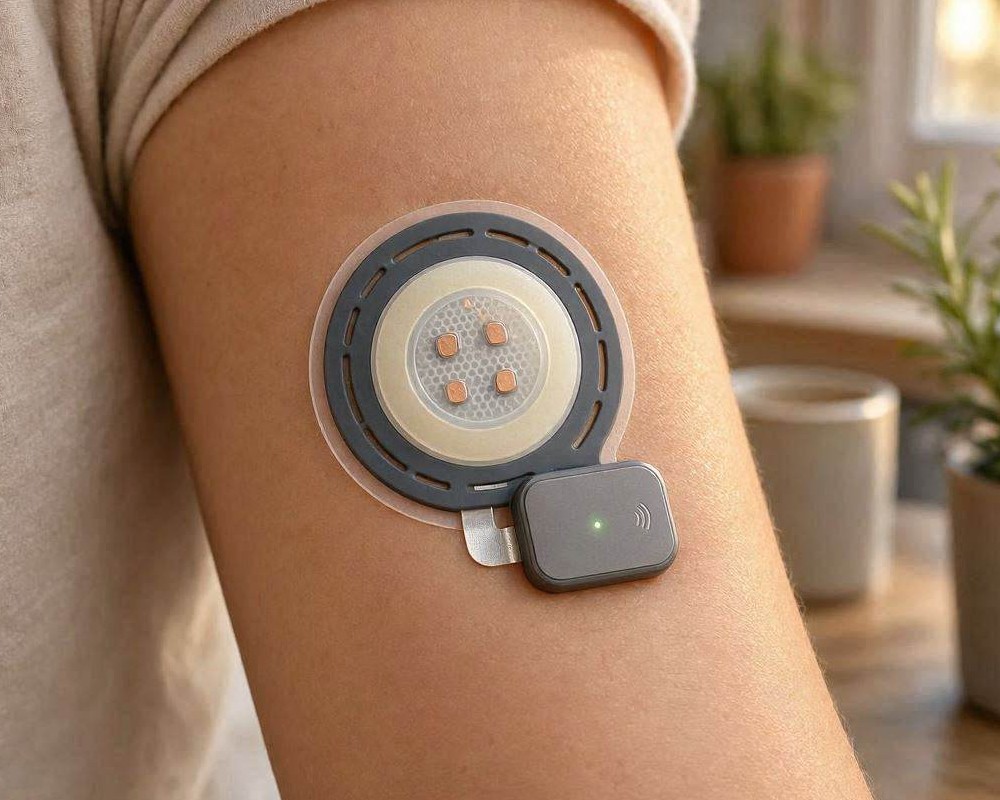
For people living with diabetes, checking blood sugar is more than a routine task—it’s a decision-making tool. Yet traditional monitoring methods can be uncomfortable, inconvenient, or stressful. A smart patch that measures blood glucose without a needle aims to change that experience by making glucose monitoring simpler, more consistent, and easier to integrate into everyday life.
What “needle-free” glucose monitoring really means
A smart patch is designed to estimate glucose levels through the skin using non-invasive sensing. Unlike finger-prick testing, which requires a lancet, needle-free systems focus on detecting changes related to glucose in the body—often via signals that travel through or are influenced by skin tissue.
It’s important to understand that non-invasive measurement typically does not mean “instant laboratory accuracy.” Performance depends on technology, placement, skin properties, and the way the system is calibrated or validated against reference readings.
How a glucose-sensing smart patch works
Most smart patches use one or more sensing approaches to infer glucose. While product designs vary, the core idea is consistent: the patch collects optical or electrical information near the skin and converts it into glucose estimates using algorithms.
Optical sensing approaches
Some patches use light-based methods. Light can interact with tissue and reflect or scatter in patterns that correlate with physiological changes. Because glucose is not the only factor affecting those patterns, developers rely on multi-signal processing and advanced models to reduce noise from temperature, hydration, and movement.
Electrical and signal-based approaches
Other systems use electrical measurements or micro-signal detection to capture skin-related changes that correlate with glucose dynamics. These systems often require careful signal conditioning and may need periodic calibration to align with a clinician-approved reference standard.
Data processing and algorithms
Regardless of sensing type, software plays a major role. Machine learning and signal-processing techniques attempt to separate glucose-related patterns from background variation. That’s why patch placement, stable wear time, and consistent skin contact can matter for reliability.
Benefits compared with traditional monitoring
A smart patch can offer several practical advantages—especially for people who test frequently or struggle with needle fatigue.
- Less discomfort: No finger pricks means fewer interruptions and less anxiety.
- More consistent monitoring: Continuous or frequent wear can help detect trends earlier than intermittent testing.
- Integration into daily life: A thin wearable is easier to use during work, exercise, or travel.
- Potential trend-based insights: Seeing patterns over time can support better meal and medication decisions.
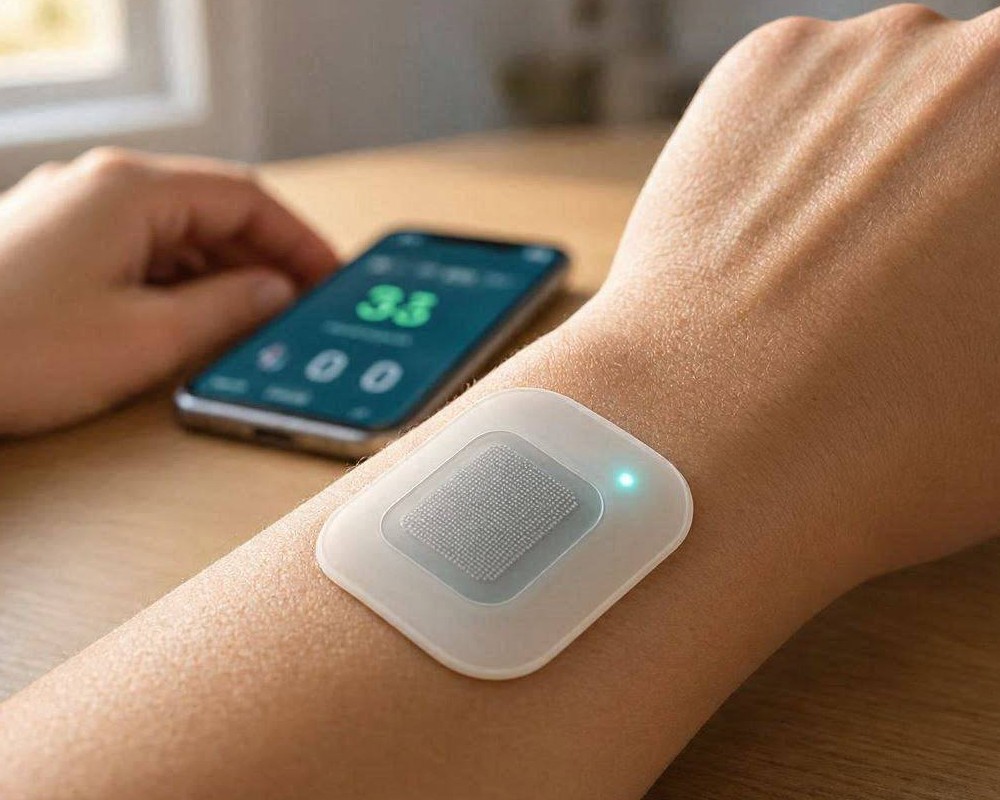
Limitations and what to expect
Smart patches are promising, but they are not a magic switch. Non-invasive systems can face challenges related to skin thickness, sweating, contact quality, and physiological lag between blood glucose and interstitial measurements.
Accuracy depends on context
Glucose readings may vary in different environments, such as extreme temperatures, heavy dehydration, or prolonged movement. Many systems are designed to work best with controlled wear conditions and clear usage guidance.
Physiological lag
Even when glucose is measured indirectly from tissues, readings can reflect changes with a delay. This lag can matter when reacting to rapid glucose swings, so users may still need confirmatory testing depending on medical guidance and the device’s instructions.
Calibration and validation
Some needle-free devices require calibration against a trusted reference method, at least during setup or as conditions change. Always follow the manufacturer’s protocol and consult a healthcare professional for treatment decisions.
Who might benefit most
A smart patch can be particularly useful for individuals who want reduced needle burden or more continuous trend tracking. It may also help people who experience skin irritation from repeated finger pricks, provided the patch supports good skin contact and appropriate placement rotation.
However, suitability depends on the individual’s medical plan, device availability, and the system’s verified performance for their population.
Safety and best practices for using a glucose patch
To maximize comfort and data quality:
- Place it correctly: Use the recommended site and ensure firm, consistent contact.
- Keep skin conditions in mind: Avoid applying on damaged or heavily irritated skin.
- Follow wear and cleaning guidance: Adhere to the device schedule and maintenance instructions.
- Review trends, not just single readings: Glucose management often relies on direction and pattern.
- Confirm when necessary: If results seem inconsistent with symptoms, follow clinician-approved steps for verification.
The future of needle-free glucose monitoring
A smart patch that measures blood sugar without a needle represents a shift from “testing as a chore” to “monitoring as a habit.” As sensing technology improves and algorithms become more robust across diverse skin types and real-world conditions, needle-free monitoring may become a practical bridge between comfort and clinical usefulness.
If you’re considering a new approach, the best next step is to discuss options with your healthcare provider and evaluate devices based on validated accuracy, safety information, and how their readings fit your treatment plan.