
In recent years, there has been a significant advancement in the field of Artificial Intelligence (AI) and Augmented Reality (AR). These technologies have become increasingly popular and have the potential to enhance virtual experiences in various fields such as gaming, education, healthcare, and...
A Smart Stove That Automatically Turns Off When the Owner Leaves the Kitchen
2
16.11.2026
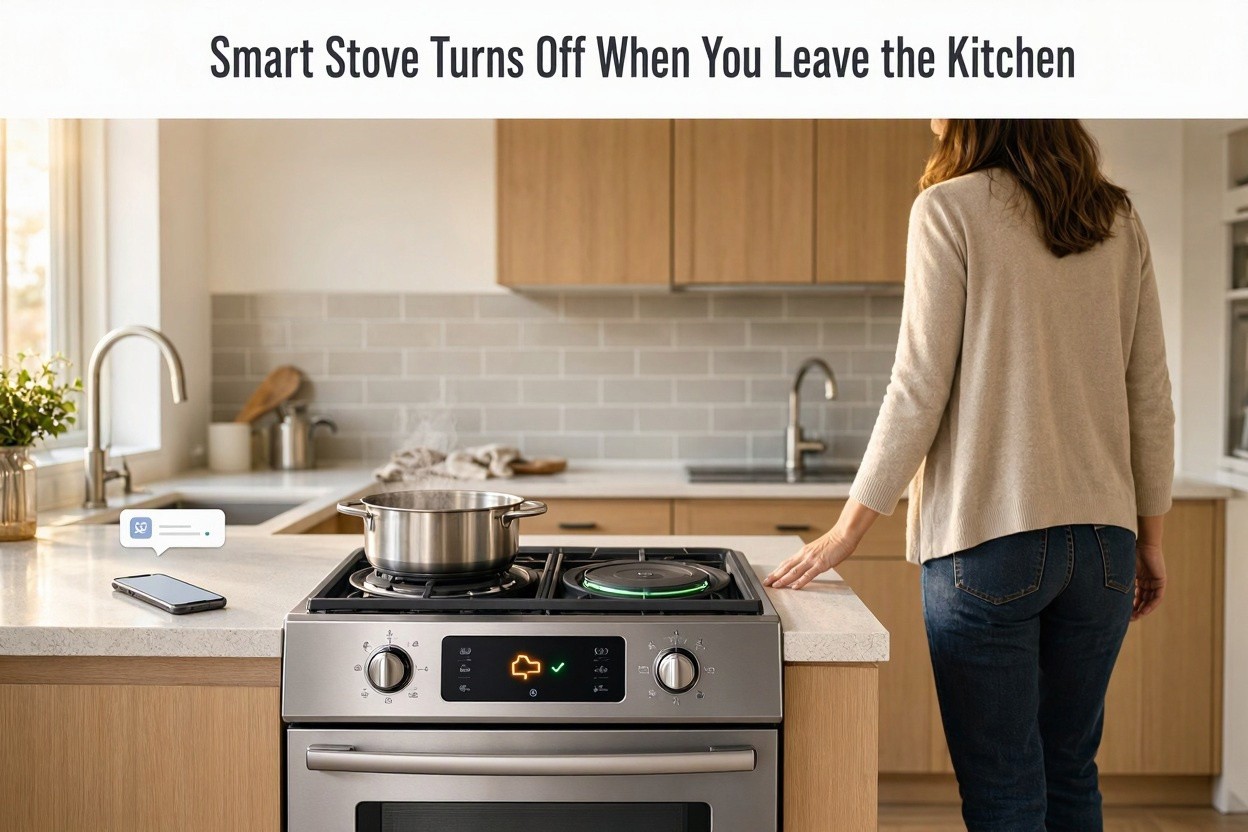
A smart stove that turns off when the owner leaves the kitchen is more than a convenient appliance. It is a practical safety system designed to prevent unattended cooking fires, reduce energy waste, and give households greater confidence during everyday meal preparation. Since the kitchen is one of the most common places for home accidents, automatic shutoff technology is becoming an important feature in modern connected homes.
Why Automatic Stove Shutoff Matters
Many kitchen fires begin when food is left cooking without supervision. A phone call, a child needing attention, a delivery at the door, or simple forgetfulness can turn a normal cooking session into a dangerous situation. Traditional stoves depend entirely on the user remembering to switch them off. A smart stove adds an extra layer of protection by recognizing when the cook is no longer present and responding automatically.
This feature is especially valuable for families with children, older adults, people with busy schedules, and anyone who wants to reduce avoidable household risks. It does not replace responsible cooking habits, but it can prevent small mistakes from becoming serious emergencies.
How a Smart Stove Knows You Have Left
Motion and Presence Sensors
Most automatic shutoff systems rely on presence detection. Built-in motion sensors, infrared sensors, or nearby smart home devices monitor activity around the stove. If no movement is detected for a certain period, the stove can lower the heat, pause cooking, or turn off completely. Advanced models can distinguish between someone briefly stepping aside and a longer absence that may be unsafe.
Camera-Free Detection Options
Privacy is a major concern in connected homes, so many manufacturers avoid using cameras in the kitchen. Instead, they use non-visual sensors, pressure mats, Bluetooth proximity, or smartphone location signals. For example, the stove may detect whether the owner’s phone or smartwatch is still nearby. If the user leaves the kitchen zone, the stove begins a countdown before shutting off.
Cooking Context and Heat Monitoring
A smart stove does not only check whether a person is present. It can also evaluate burner temperature, cooking duration, pan detection, and power level. Boiling water on low heat may be treated differently from a frying pan on high heat. This context helps reduce false alarms while still responding quickly to risky situations.
What Happens When the Owner Leaves
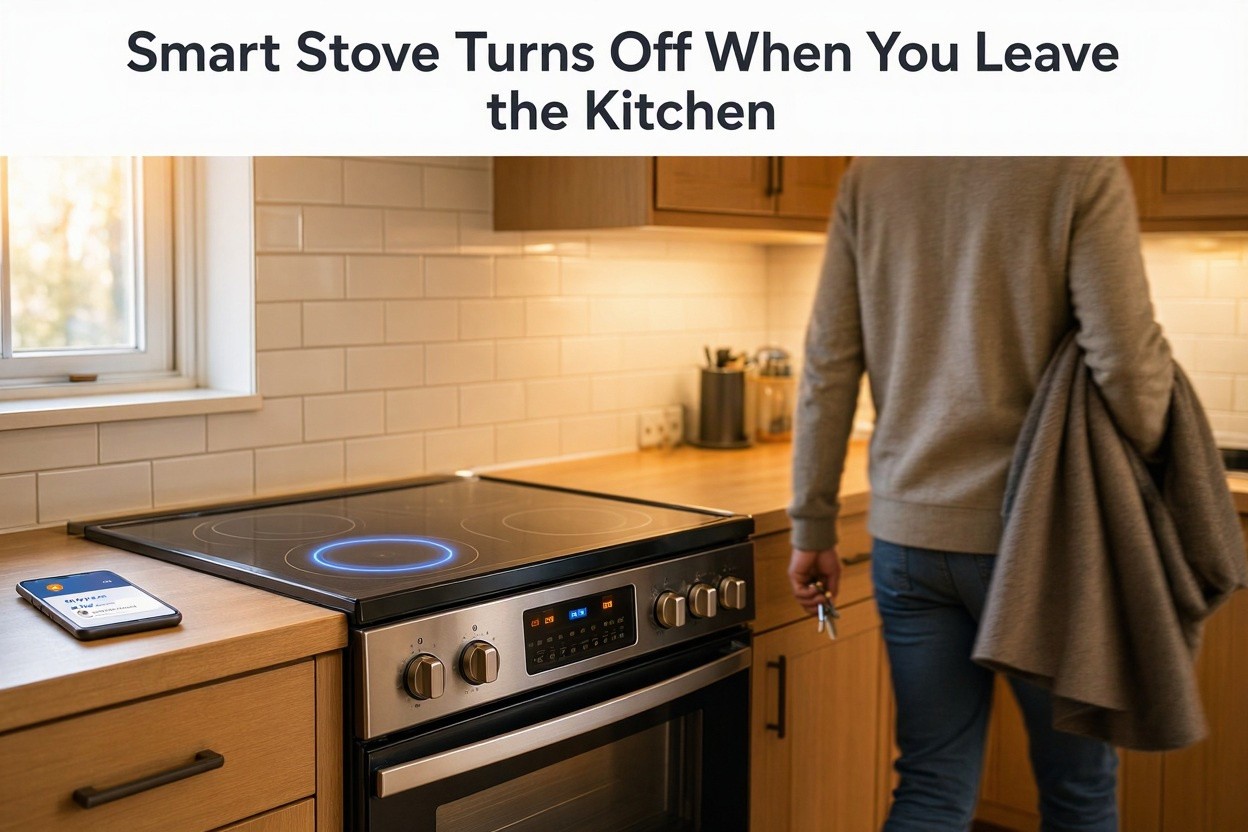
The shutoff process is usually designed to be gradual and predictable. A smart stove may first send an audible alert, flash a control-panel warning, or push a notification to the owner’s phone. If the user returns and confirms that cooking should continue, the stove remains active. If there is no response, it automatically reduces heat or turns the burner off.
- Short absence: the stove may display a warning or start a timer.
- Medium absence: the system may lower the temperature to reduce risk.
- Long absence: the stove shuts off the burner or the entire cooktop.
- Emergency condition: overheating or smoke detection can trigger immediate shutdown.
Key Benefits for Homeowners
Improved Fire Prevention
The main benefit is safety. Automatic shutoff reduces the chance of overheating pans, burning food, and ignition caused by unattended burners. When paired with smoke alarms and smart ventilation, the stove becomes part of a stronger home safety network.
Energy Savings
Leaving a burner on wastes electricity or gas. A smart stove that detects absence can cut unnecessary energy use, especially in households where cooking interruptions are common. Over time, this can contribute to lower utility costs and more efficient appliance use.
Peace of Mind
Many people have experienced the uneasy question: “Did I turn off the stove?” With smart shutoff and remote notifications, homeowners can check the appliance status from a phone and, in many systems, turn it off remotely. This is particularly useful when leaving home in a hurry.
Features to Look for Before Buying
Not all smart stoves offer the same level of protection. Before choosing a model, homeowners should compare safety functions, sensor quality, and compatibility with existing smart home platforms. The best option is one that balances automation with clear manual control.
- Reliable presence detection: Look for systems that use multiple signals instead of one basic motion sensor.
- Adjustable timers: Different cooking styles require different absence thresholds.
- Remote alerts: Mobile notifications help when you leave the room or the house.
- Manual override: The user should always be able to confirm continued cooking when needed.
- Fail-safe design: The stove should default to a safe state during sensor errors or connectivity loss.
Are There Any Limitations?
Automatic shutoff is powerful, but it must be configured carefully. If the timer is too short, the stove may interrupt normal cooking. If it is too long, safety benefits are reduced. Sensor placement also matters; a blocked or poorly positioned sensor can miss movement. For gas stoves, professional installation and certified safety valves are especially important.
Connectivity should not be the only safety mechanism. A well-designed smart stove should still operate safely when Wi-Fi is down. Core shutoff decisions should happen locally inside the appliance rather than depending entirely on cloud services.
The Future of Safer Cooking
Smart stoves that automatically turn off when the owner leaves the kitchen represent a meaningful step toward safer homes. As sensors become more accurate and appliance software becomes more intelligent, these systems will better understand cooking behavior without being intrusive. The goal is not to remove human attention from cooking, but to support it with dependable protection.
For anyone upgrading a kitchen, automatic shutoff is a feature worth serious consideration. It addresses a real household risk, improves everyday convenience, and helps ensure that a moment of distraction does not become a fire emergency.