

In recent years, there has been a significant advancement in the field of Artificial Intelligence (AI) and Augmented Reality (AR). These technologies have become increasingly popular and have the potential to enhance virtual experiences in various fields such as gaming, education, healthcare, and...
A Smart Watering Can Determines the Individual Needs of Each Plant
190
06.05.2026
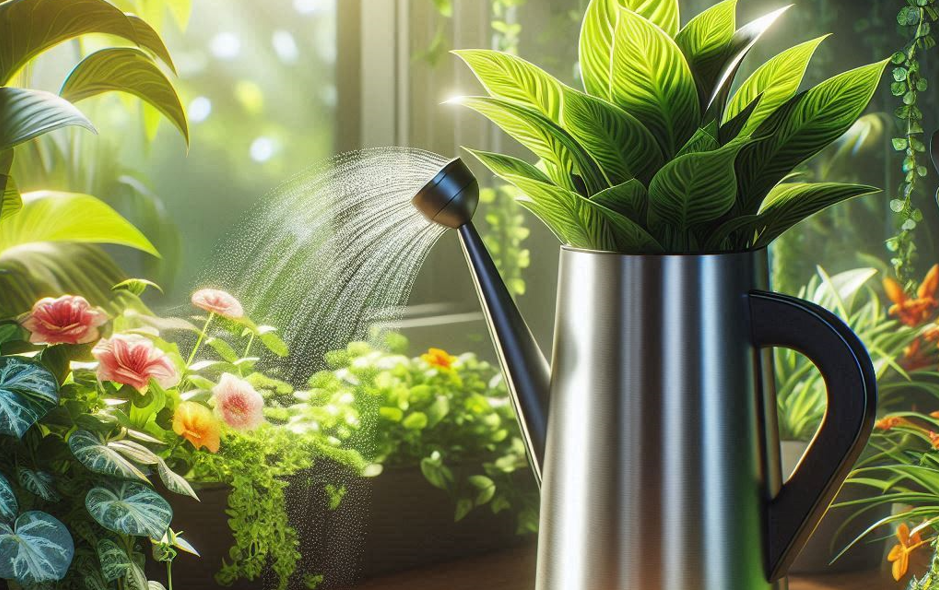
Watering plants may seem like one of the simplest aspects of gardening, yet it is often the most misunderstood. Too much water can suffocate roots, while too little can lead to dehydration and stunted growth. Different plant species, soil types, and environmental conditions all influence how much water a plant truly needs. A smart watering can designed to determine and deliver individualized hydration is redefining how people care for plants, transforming a routine task into a precise and data-driven process.
The Problem with Traditional Watering
Conventional watering methods rely heavily on human judgment. Gardeners often follow fixed schedules or visual cues such as dry soil surfaces or wilting leaves. However, these indicators can be misleading. Soil may appear dry on top while still retaining moisture deeper down, or plants may show stress for reasons unrelated to hydration.
This inconsistency often results in inefficient watering practices. Overwatering is particularly common and can lead to root rot, fungal growth, and nutrient loss. Underwatering, on the other hand, deprives plants of essential moisture needed for photosynthesis and nutrient transport.
Common Mistakes in Plant Care
- Watering based on routine rather than actual need
- Ignoring differences between plant species
- Failing to account for environmental conditions
- Using uniform watering for diverse plant groups
The Concept of a Smart Watering Can
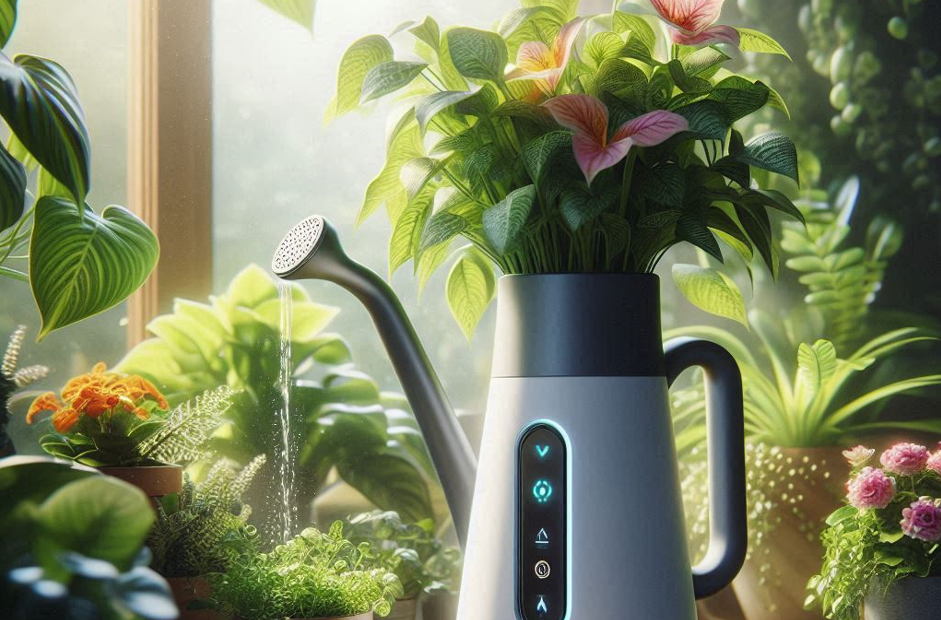
The smart watering can addresses these challenges by integrating sensors, data analysis, and automated decision-making into a familiar gardening tool. Unlike traditional watering cans, it does not simply dispense water—it evaluates each plant’s condition and determines the optimal amount of hydration.
This innovation bridges the gap between manual gardening and precision agriculture, making advanced plant care accessible to everyday users.
Core Capabilities
- Real-time soil moisture analysis
- Plant identification and classification
- Environmental condition monitoring
- Adaptive water delivery
How the System Works
The watering can is equipped with a combination of sensors and a compact processing unit. When positioned near a plant, it collects data about soil moisture, temperature, and sometimes even nutrient levels.
This information is processed instantly, allowing the system to calculate the precise amount of water required.
Data Collection and Processing
- Moisture sensors measure water content in the soil
- Temperature sensors assess environmental conditions
- Optical sensors identify plant type and size
- Algorithms analyze data and generate watering instructions
Some advanced versions also connect to cloud-based databases, accessing detailed information about specific plant species.
Individualized Plant Care
One of the defining features of the smart watering can is its ability to treat each plant as a unique entity. Instead of applying a uniform watering approach, it tailors hydration based on individual needs.
For example, a succulent requires significantly less water than a leafy vegetable. The system recognizes these differences and adjusts accordingly.
Factors Considered
- Plant species and growth stage
- Soil composition and drainage
- Recent weather conditions
- Light exposure and evaporation rates
Efficiency and Sustainability
Water conservation is a critical concern in many parts of the world. The smart watering can contributes to sustainability by minimizing waste and ensuring efficient water use.
By delivering only the necessary amount of water, it reduces runoff and prevents over-irrigation. This not only conserves water but also improves plant health.
Environmental Benefits
- Reduced water consumption
- Lower risk of soil degradation
- Improved nutrient retention
User Experience and Accessibility
Despite its advanced technology, the watering can is designed to be intuitive and user-friendly. Most systems provide simple visual or audio feedback, guiding users through the watering process.
Mobile applications often accompany the device, allowing users to monitor plant health and track watering history.
Challenges and Limitations
While the technology offers significant advantages, it is not without challenges. Sensor accuracy can vary depending on soil conditions, and initial costs may be higher than traditional tools.
Potential Drawbacks
- Need for calibration and maintenance
- Dependence on battery power
- Learning curve for new users
The Future of Intelligent Gardening Tools
The smart watering can represents a broader trend toward integrating intelligence into everyday tools. Future developments may include automated watering systems that operate independently or integration with smart home ecosystems.
As technology continues to evolve, gardening is likely to become more precise, efficient, and accessible. The smart watering can is a clear example of how innovation can transform even the simplest tasks into sophisticated processes.