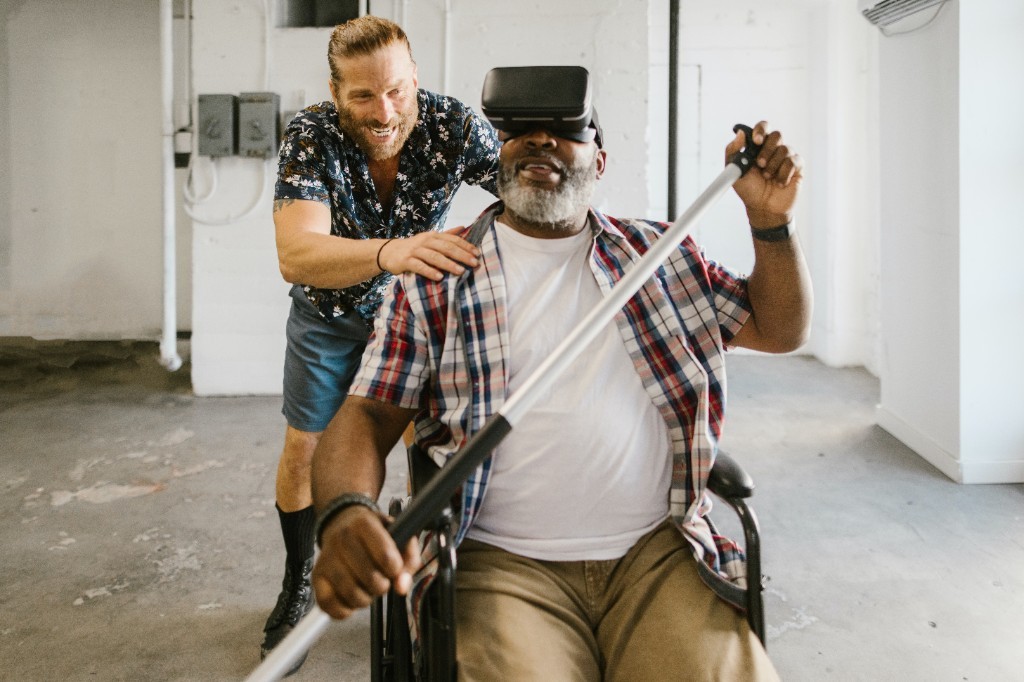
In recent years, there has been a significant advancement in the field of Artificial Intelligence (AI) and Augmented Reality (AR). These technologies have become increasingly popular and have the potential to enhance virtual experiences in various fields such as gaming, education, healthcare, and...
AI Analyzes Athletes' Dreams and Improves Their Performance
212
08.05.2026
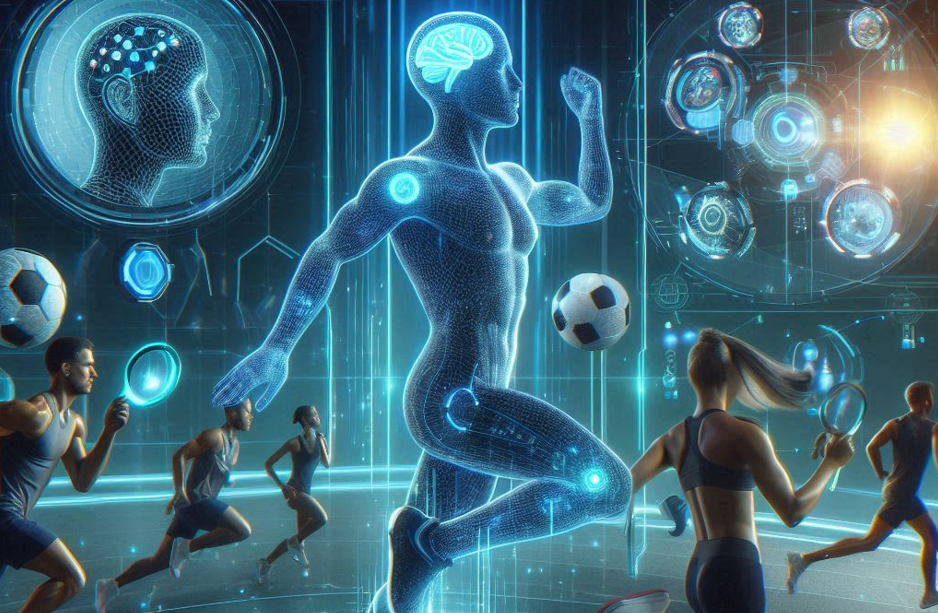
Elite athletic performance depends not only on physical training but also on mental preparation and recovery. Sleep plays a critical role in this process, influencing memory consolidation, muscle recovery, and cognitive function. Recently, researchers have begun exploring a new frontier: analyzing athletes’ dreams to gain insights into their mental state and improve performance. An AI system designed for this purpose is transforming how sports science approaches training and recovery.
The Role of Sleep in Athletic Performance
Sleep is essential for both physical and mental recovery. During sleep, the body repairs tissues, while the brain processes information and strengthens neural connections.
Dreams, particularly during REM sleep, reflect cognitive and emotional processes that may influence performance.
Key Functions of Sleep
- Muscle recovery and growth
- Memory consolidation
- Emotional regulation
Why Analyze Dreams?
Dreams can provide valuable insights into an athlete’s mental state. Stress, confidence, and focus often manifest in dream content.
By analyzing these patterns, the AI system can identify psychological factors that affect performance.
Potential Insights
- Levels of anxiety or stress
- Confidence and motivation
- Cognitive processing of training experiences
How the AI System Works
The system collects data from sleep tracking devices and user-reported dream descriptions. It then applies natural language processing and pattern recognition to analyze the information.
Data Sources
- Sleep monitoring devices
- Voice-recorded dream reports
- Training and performance data
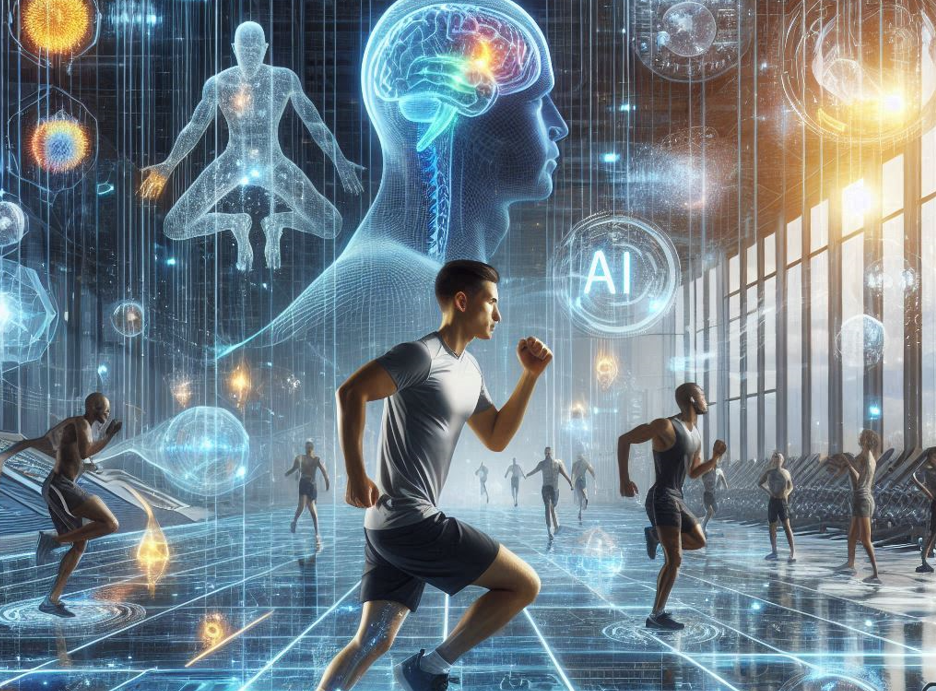
Improving Performance Through Insights
Based on its analysis, the AI provides recommendations for training, recovery, and mental preparation.
For example, recurring stress-related dream patterns may indicate the need for relaxation techniques or adjustments in training intensity.
Applications
- Personalized training plans
- Mental conditioning strategies
- Recovery optimization
Challenges and Limitations
Dream analysis is inherently subjective, and interpreting it accurately requires careful consideration.
Potential Issues
- Variability in dream recall
- Ambiguity in interpretation
- Privacy concerns
The Future of AI in Sports Science
This approach represents a new dimension in performance optimization. By combining physical data with psychological insights, AI can provide a more holistic understanding of athletes.
As technology advances, dream analysis may become a standard component of training programs, helping athletes achieve peak performance through both body and mind.