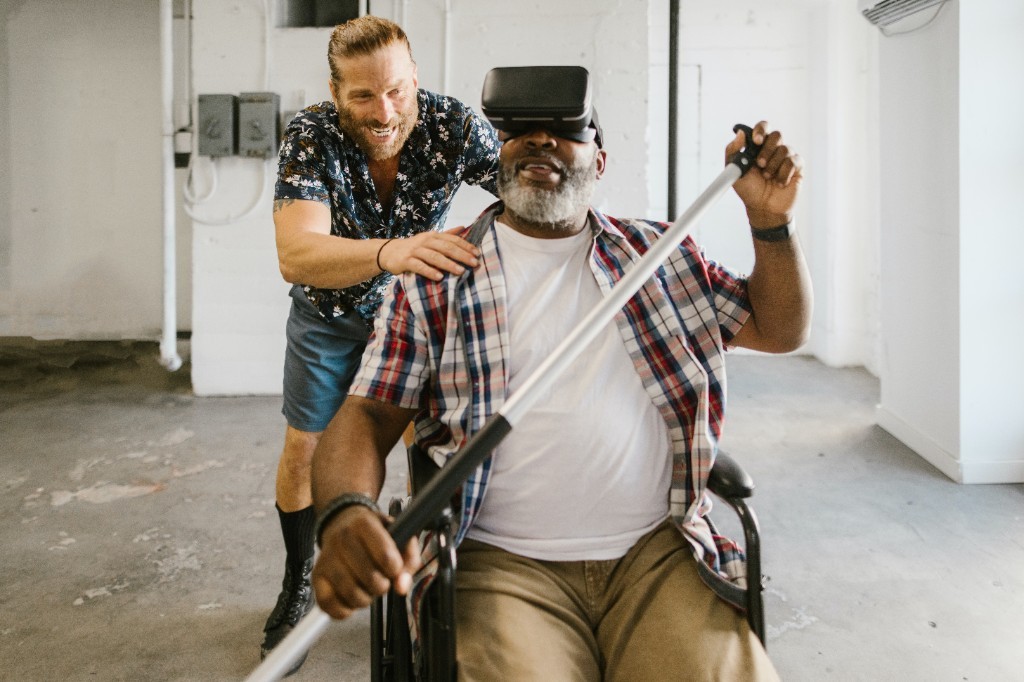
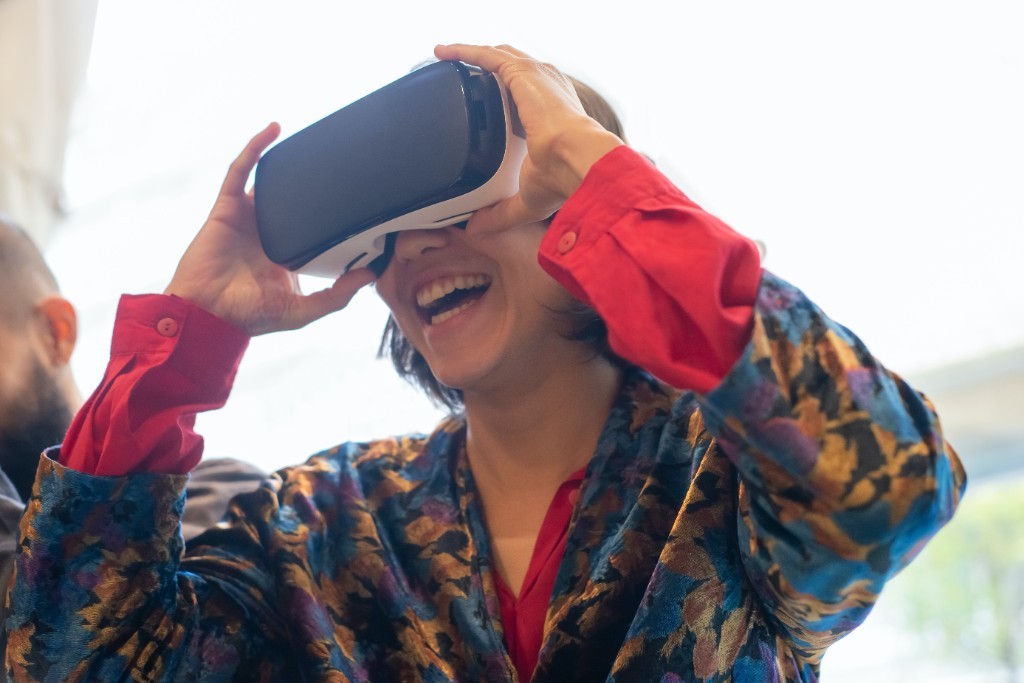
In recent years, there has been a significant advancement in the field of Artificial Intelligence (AI) and Augmented Reality (AR). These technologies have become increasingly popular and have the potential to enhance virtual experiences in various fields such as gaming, education, healthcare, and...
AI Developed Eye Exercises for Office Workers Experiencing Vision Decline
179
23.06.2026
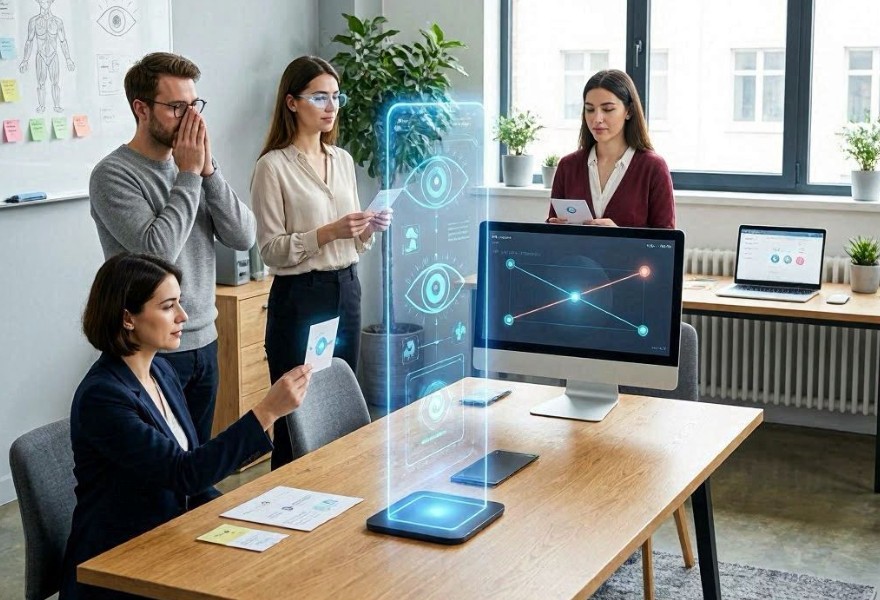
In the modern corporate landscape, the average office worker spends upwards of eight hours a day tethered to a digital screen. Whether it is a desktop monitor, a laptop, or a smartphone, this constant exposure to high-energy visible (HEV) blue light and the repetitive need for close-focus adjustment has triggered a global surge in computer vision syndrome (CVS) and premature vision decline. Symptoms like blurred vision, chronic headaches, dry eyes, and neck strain have become normalized as part of the “office worker experience.” While traditional advice has always been to “take frequent breaks,” these recommendations are often ignored due to high workloads and a lack of structured guidance.
A new frontier in occupational health has emerged: artificial intelligence. Developers have begun creating AI-driven wellness platforms that generate personalized, dynamic eye exercise programs designed to mitigate the effects of digital screen time. These tools move beyond generic advice, using algorithms to adapt to individual habits and screen usage patterns to keep eyes healthy.
The Physiology of Digital Eye Strain
To understand why AI is necessary, we must first look at why our eyes struggle with monitors. The human eye is biologically optimized for scanning the horizon, not focusing on a static, pixelated object two feet away for hours on end. When we stare at screens, our blink rate drops by approximately 60%, leading to the evaporation of the tear film and subsequent dryness. Furthermore, the ciliary muscles, which control the lens’s shape, stay locked in a state of continuous contraction, leading to accommodative spasms.
The AI Approach to Ocular Health
Unlike a static pamphlet of exercises, an AI-powered system treats your vision health as a dynamic data set. The AI monitors your computer usage patterns through background analytics, noting how long you maintain focus without interruption. Based on this data, it generates specific exercise regimens that address the fatigue you are most prone to experiencing.
Core AI-Generated Exercise Protocols
The AI tailors its interventions based on the severity of the user's symptoms and the nature of their work. These protocols are structured to interrupt the cycle of muscle fatigue and provide systematic relief.
Personalized Micro-Breaks
The system utilizes algorithms to trigger “micro-breaks” at the optimal cognitive point in your workflow. Instead of a generic timer, the AI analyzes keyboard input and mouse activity to find a brief moment of low cognitive load, suggesting:
- The 20-20-20 Rule Adaptation: The AI reminds you to look at something 20 feet away for 20 seconds every 20 minutes, adjusting the frequency based on your recent screen-intensity level.
- Conscious Blinking Sessions: If the software detects reduced activity levels, it guides the user through rhythmic blinking exercises to restore the moisture balance of the cornea.

Advanced Visual Training Exercises
Beyond simple breaks, the AI suggests more intensive exercises that target the ciliary muscles. These include:
- Focus Shifting: A guided exercise where the user focuses on a near object, then shifts to a distant point, and back again, paced by the AI to strengthen focus flexibility.
- Clock Rotations: Moving the eyes in a circular path—following a digital guide on the screen—to relieve tension in the extraocular muscles.
- Near-Point Convergence: A specialized exercise for those experiencing specific binocular vision issues, gradually guiding the eyes to converge on a central point.
The Role of Data and Long-Term Adaptation
The true power of AI in this context is its ability to learn and improve. As the user completes the exercises, the system tracks subjective feedback regarding symptom relief. If a specific set of exercises for “headache mitigation” does not result in a reduction of reported fatigue, the algorithm automatically adjusts the protocol to focus on “ciliary muscle relaxation” instead. This creates a feedback loop where the wellness program becomes increasingly effective over time, unique to the user's specific visual physiology.
The Future of Occupational Wellness
While these exercises cannot replace a professional ophthalmological exam or treat underlying pathologies like glaucoma or macular degeneration, they are an essential tool for the digital age. By integrating vision health into the workflow, AI allows workers to reclaim their comfort and reduce the cumulative impact of daily screen use. As this technology matures, we can expect deeper integration with operating systems, potentially turning screen health into a standard feature of every professional environment.
Conclusion
Artificial intelligence is shifting the narrative of digital eye strain from an unavoidable side effect of the modern workforce to a manageable condition. By providing tailored, data-driven eye exercise programs, AI acts as a digital ergonomic coach, reminding us that our eyes are muscles that require rest and training just as much as any other part of the body. Embracing these technological solutions is a vital step toward a sustainable future in an increasingly digital world.