

In recent years, there has been a significant advancement in the field of Artificial Intelligence (AI) and Augmented Reality (AR). These technologies have become increasingly popular and have the potential to enhance virtual experiences in various fields such as gaming, education, healthcare, and...
AI Develops Method to Clean Rivers of Microplastics
944
11.02.2026
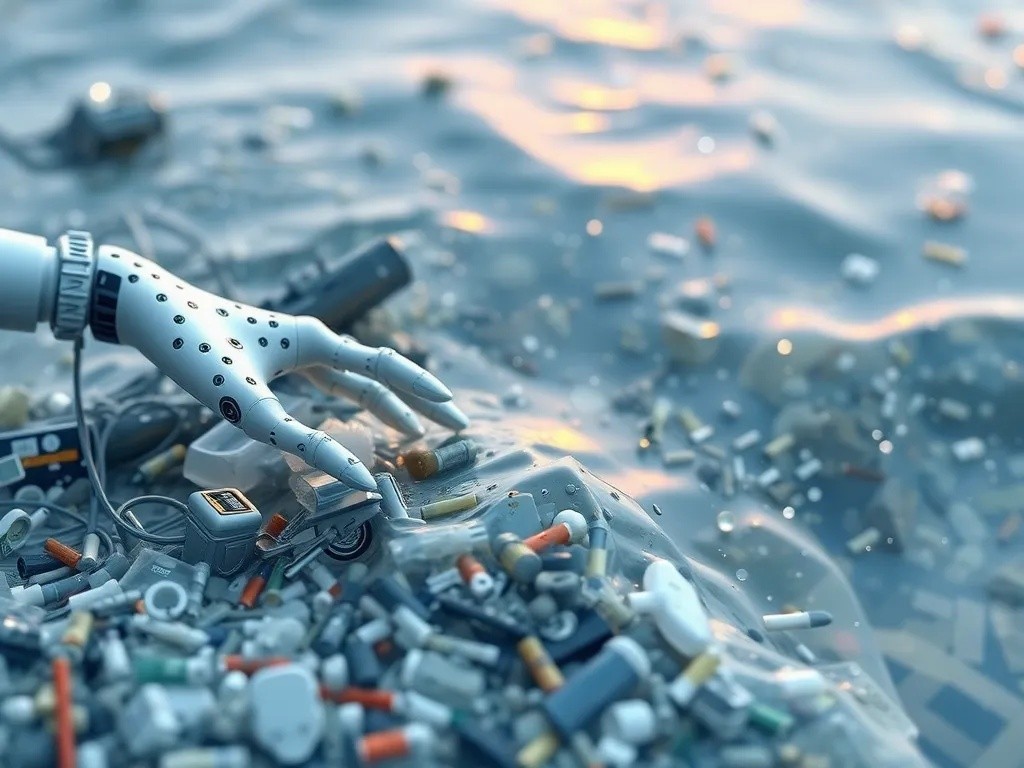
Artificial intelligence has achieved a breakthrough that environmental scientists have been seeking for years: an effective, scalable method for removing microplastics from rivers and waterways. This innovative approach, developed through machine learning analysis of countless chemical interactions and filtration techniques, offers real hope for addressing one of the most persistent environmental challenges of our generation.
The Microplastic Crisis
Microplastics, tiny plastic particles smaller than five millimeters in diameter, have become ubiquitous in our environment. They enter waterways through various sources and have proven extraordinarily difficult to remove using conventional water treatment methods. The presence of these particles poses significant risks to aquatic ecosystems and human health.
Sources of Microplastic Pollution
Rivers accumulate microplastics from numerous sources:
- Degradation of larger plastic waste items
- Synthetic fibers released during laundry
- Tire wear particles washed from roadways
- Microbeads from personal care products
- Industrial processes and manufacturing waste
- Agricultural runoff containing plastic film fragments
The AI-Developed Solution
The artificial intelligence system analyzed millions of potential cleaning approaches before identifying a novel combination of techniques that together achieve remarkable removal rates. The method combines several innovative elements working in concert to capture particles of various sizes and compositions.
Electromagnetic Separation Technology
The AI discovered that specific electromagnetic frequencies can influence the behavior of microplastic particles in water, causing them to cluster together into larger aggregates that are much easier to filter. This insight, which emerged from the AI's analysis of particle physics data, had not been previously considered by human researchers.
Bio-Based Filtration Media
The system also identified a combination of natural materials that, when processed in a specific way, create highly effective filtration media. This bio-based approach is both sustainable and cost-effective, using agricultural waste products that would otherwise require disposal.
Testing and Validation Results
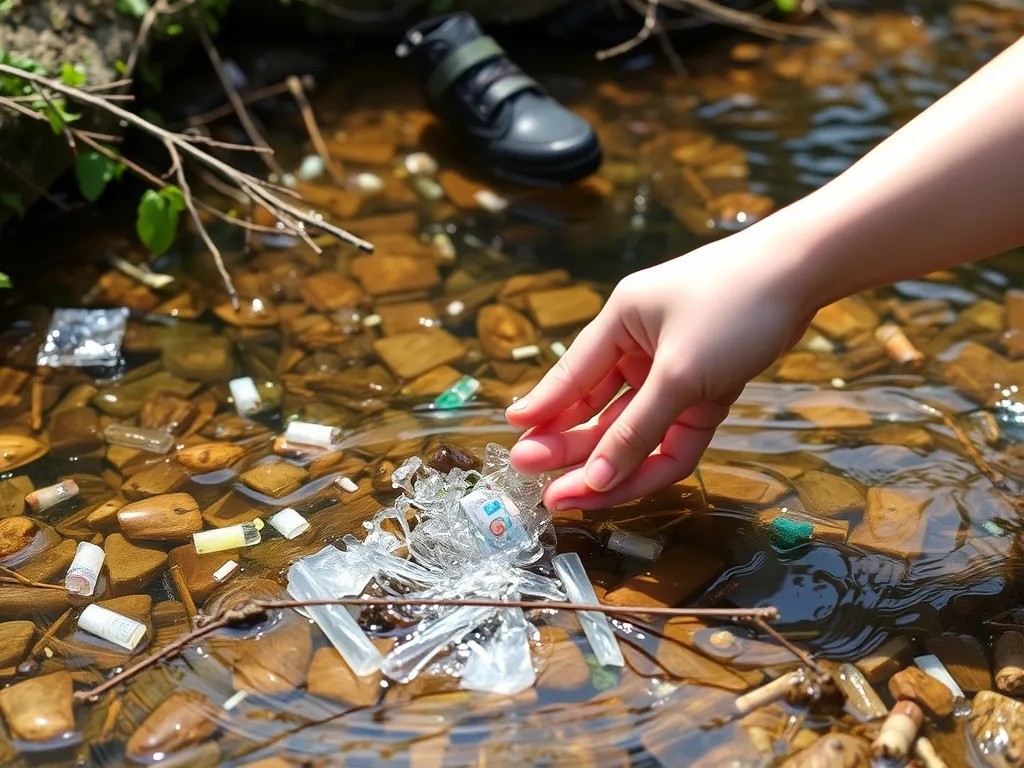
Pilot programs implementing the AI-developed method have demonstrated impressive results:
- Removal rates exceeding ninety percent for particles above one micrometer
- Significant capture of even nanoplastic particles previously considered unremovable
- Minimal impact on beneficial organisms and water chemistry
- Cost-effective operation suitable for large-scale deployment
River Restoration Projects
Three major rivers have served as testing grounds for the new technology, with water quality measurements showing dramatic improvements within months of system activation. Marine biologists report early signs of ecosystem recovery in areas downstream from treatment installations.
Implementation Strategy
Environmental agencies are developing plans for widespread deployment of the cleaning technology. The approach is adaptable to various river sizes and flow rates, with modular systems that can be scaled according to local needs and resources.
Global Deployment Considerations
Particular attention is being given to implementation in developing nations where river pollution is most severe and resources for environmental remediation are limited. The relatively low cost of the bio-based filtration materials makes the technology accessible to communities with constrained budgets.
Ongoing AI Research
The artificial intelligence continues to analyze data from deployed systems, refining the cleaning process and identifying opportunities for improvement. Researchers are exploring whether similar approaches might be effective for removing microplastics from ocean environments, though the different conditions present additional challenges.
Prevention Recommendations
Beyond developing cleaning solutions, the AI system has generated recommendations for preventing microplastic pollution at its source. These insights are informing policy discussions about product design, manufacturing processes, and waste management practices.
Environmental and Health Implications
Successful deployment of this technology could significantly reduce microplastic contamination in drinking water supplies and aquatic food sources. Scientists estimate that widespread adoption could prevent millions of tons of plastic particles from reaching oceans annually, protecting marine ecosystems that are currently under severe stress.
This AI-developed solution demonstrates the potential of artificial intelligence to address complex environmental challenges, offering hope that technology can help repair some of the damage human activity has inflicted on our planet's waterways.