
In recent years, there has been a significant advancement in the field of Artificial Intelligence (AI) and Augmented Reality (AR). These technologies have become increasingly popular and have the potential to enhance virtual experiences in various fields such as gaming, education, healthcare, and...
AI Helps Real Estate Agents Assess Apartment Wear and Tear from Photographs
57
11.11.2026
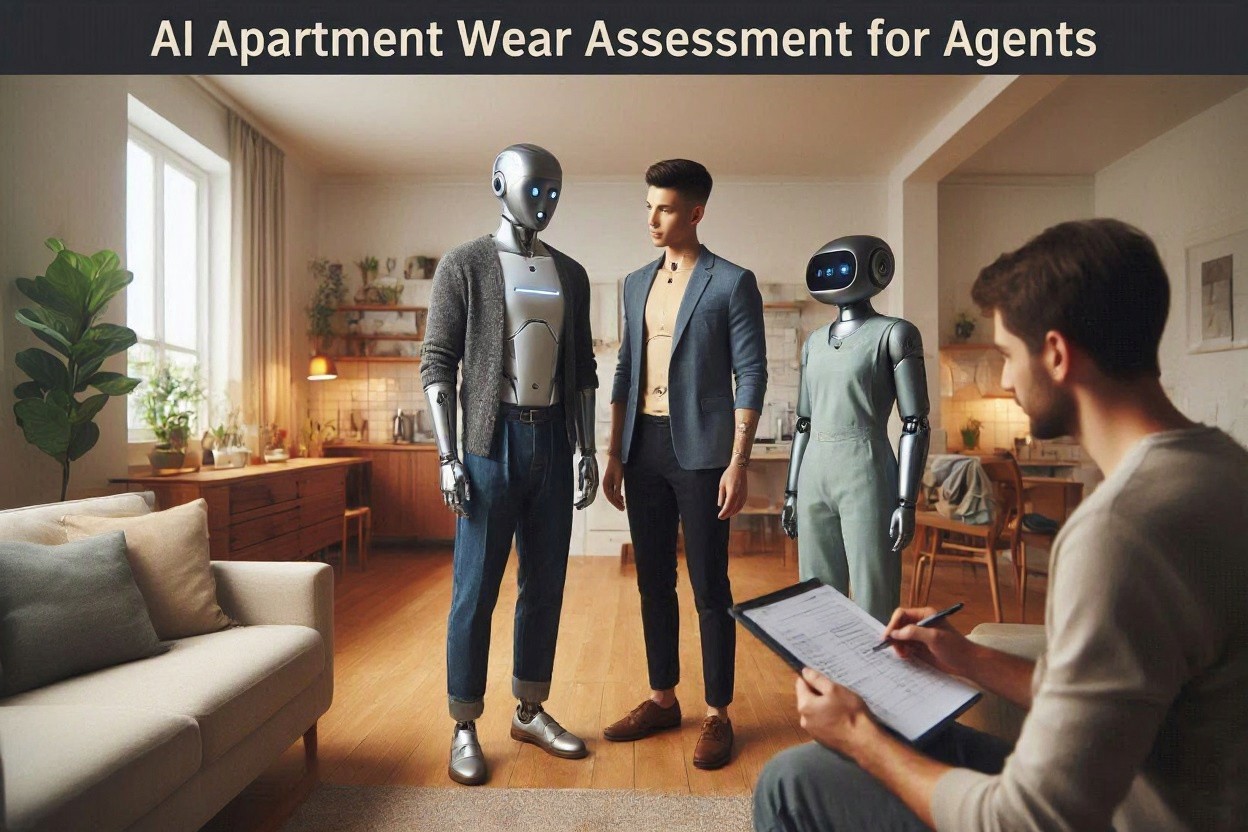
Photographs have always played a major role in real estate marketing, but they are now becoming a practical source of property intelligence. With artificial intelligence, agents can analyze apartment images to identify visible wear and tear, estimate repair priorities, and support more accurate pricing discussions. Instead of relying only on memory, handwritten notes, or subjective impressions, professionals can use image-based AI tools to turn visual evidence into structured insights.
Why Wear and Tear Assessment Matters
Apartment condition directly affects market value, rental potential, negotiation strategy, and buyer confidence. Small issues such as scratched flooring, stained walls, cracked tiles, or worn cabinetry may not seem critical individually, yet together they influence how a property is perceived. For agents managing multiple listings, maintaining a consistent standard of evaluation can be difficult.
AI does not replace professional judgment, but it can reduce guesswork. By reviewing uploaded photographs, computer vision models can detect patterns that are easy to overlook during a fast walkthrough. This is especially useful when agents receive photos from landlords, tenants, relocation clients, or remote property managers.
How AI Reads Apartment Photographs
Modern AI systems use computer vision to identify objects, surfaces, materials, and visible defects in images. A well-trained model can distinguish between normal use and signs of deterioration, then categorize findings by room, surface type, and severity. The output may include labels, condition scores, highlighted image areas, and suggested next steps.
Common Signs AI Can Detect
- Wall stains, discoloration, holes, peeling paint, and moisture marks
- Floor scratches, dents, warped boards, cracked tiles, and carpet wear
- Damaged doors, handles, cabinets, countertops, and fixtures
- Bathroom issues such as mold traces, broken grout, rust, and chipped enamel
- Kitchen wear including burned surfaces, loose fittings, and appliance damage
- Window, ceiling, and balcony defects visible in listing or inspection photos
The most useful systems do not simply say that a room is “good” or “bad.” They provide context: where the issue appears, how visible it is, whether it may affect presentation, and whether it should be checked in person before valuation or contract negotiation.
Benefits for Real Estate Agents
More Consistent Property Evaluations
Two agents may describe the same apartment differently. One may call the condition “well maintained,” while another may notice several cosmetic repairs. AI helps standardize the first review by applying the same visual criteria across multiple properties. This consistency is valuable for agencies, portfolio managers, and teams handling high listing volume.
Faster Pre-Listing Preparation
Before a property goes live, agents can use AI to identify repairs that improve presentation. A photo analysis report may show that repainting one wall, replacing a damaged cabinet handle, or deep-cleaning a bathroom could improve buyer perception. These targeted recommendations help sellers spend money where it has the strongest visual impact.
Better Pricing and Negotiation Support
Visible wear and tear can become a negotiation point. When an agent has organized photographic evidence, condition notes, and estimated repair categories, conversations with buyers and sellers become more transparent. AI-generated observations can support pricing adjustments, deposit deductions, or repair requests, especially when combined with local market knowledge.

Best Practices for Accurate Photo Analysis
The quality of AI assessment depends heavily on the quality of the photographs. Blurry, dark, overly edited, or incomplete images can lead to weak results. Agents should treat photo collection as part of the inspection process, not just as marketing content.
- Take photos in natural or balanced lighting whenever possible.
- Capture each room from several angles, including floors, ceilings, corners, and high-use areas.
- Include close-up shots of visible defects, fixtures, appliances, and surfaces.
- Avoid filters or heavy image enhancement before analysis.
- Store photos with dates, room names, and property identifiers for auditability.
Limitations Agents Should Understand
AI can identify visible defects, but it cannot confirm hidden structural problems, electrical safety, plumbing condition, or the cause of moisture damage from photographs alone. It may also misinterpret shadows, reflections, decorative textures, or intentional design features as defects. For that reason, AI output should be treated as a decision-support tool, not a final inspection certificate.
Privacy and compliance also matter. Agents should avoid uploading images that reveal sensitive personal information unless they have permission and a secure workflow. When using third-party AI platforms, it is important to review data storage policies, access controls, and regional privacy requirements.
The Future of AI in Apartment Condition Reports
As models improve, AI assessment will likely become integrated into customer relationship management systems, property management platforms, digital inventories, and virtual tour tools. Agents may soon generate condition timelines that compare move-in, mid-lease, and move-out photographs automatically. This can reduce disputes, improve maintenance planning, and create a more reliable record of apartment condition over time.
A Practical Advantage, Not a Gimmick
For real estate professionals, the real value of AI is not novelty. It is speed, consistency, and clearer communication. By analyzing apartment wear and tear from photographs, AI helps agents prioritize repairs, support valuations, protect clients from surprises, and present properties with greater confidence. Used responsibly alongside human expertise, it can become a practical standard in modern real estate work.