
In recent years, there has been a significant advancement in the field of Artificial Intelligence (AI) and Augmented Reality (AR). These technologies have become increasingly popular and have the potential to enhance virtual experiences in various fields such as gaming, education, healthcare, and...
AI Learned to Repair Clothes as Skillfully as a Tailor
888
26.03.2026
The Growing Demand for Clothing Repair
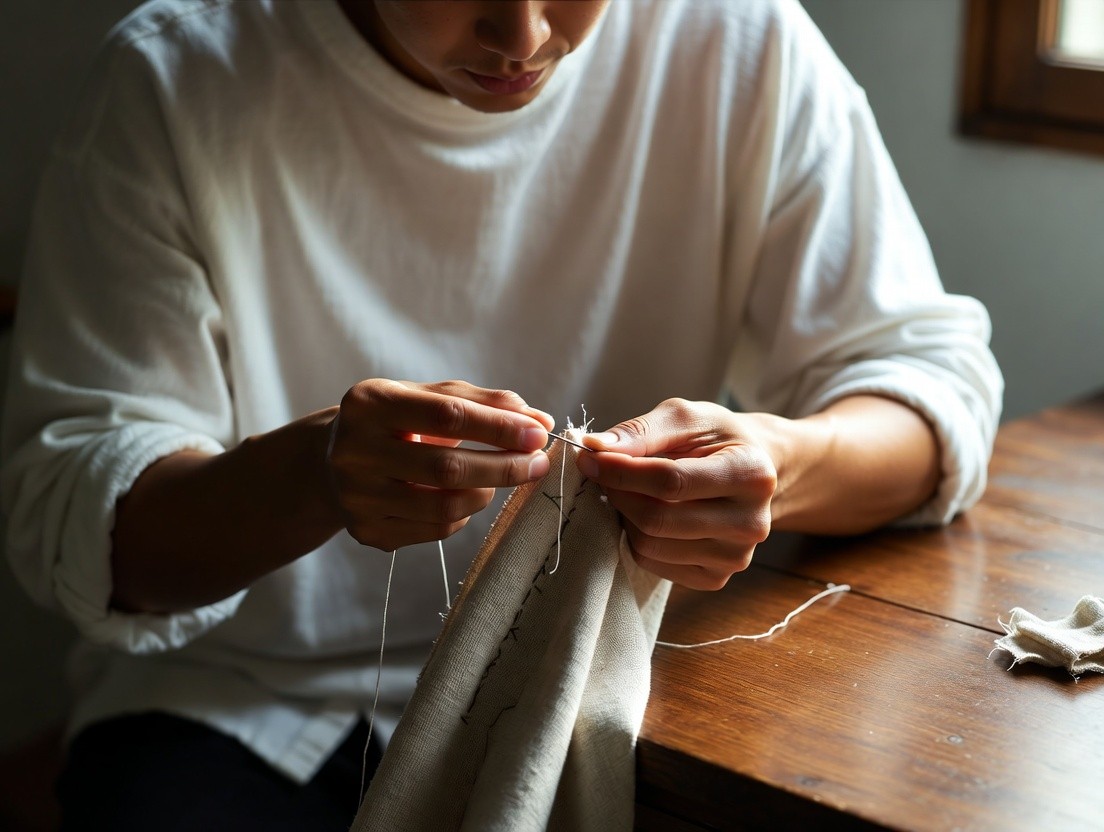
In recent years, interest in repairing clothing rather than replacing it has increased significantly. Many people are becoming more conscious of environmental issues related to fast fashion. The textile industry produces large amounts of waste, and millions of garments are discarded every year even when they could still be repaired.
Traditionally, repairing clothes requires skilled tailors who understand fabrics, stitching techniques, and garment construction. However, professional repair services are not always accessible or affordable. As a result, researchers and engineers have started developing automated systems capable of repairing clothing using artificial intelligence.
These AI-powered technologies combine computer vision, robotic sewing machines, and machine learning algorithms to repair garments with a level of accuracy comparable to experienced tailors.
How AI-Based Clothing Repair Works
The system begins by scanning the damaged garment using high-resolution cameras. Computer vision algorithms analyze the fabric to identify tears, holes, loose seams, or worn areas. The AI system then determines the most appropriate repair technique for the specific type of damage.
After analyzing the garment, the system sends instructions to a robotic sewing mechanism capable of performing the repair automatically.
Main Steps in the Repair Process
- Scanning the garment to detect damage
- Analyzing fabric type and stitching patterns
- Selecting the appropriate repair technique
- Guiding robotic sewing tools to perform repairs
- Inspecting the final result for accuracy
This process allows the system to restore damaged clothing with minimal human intervention.
Computer Vision for Fabric Analysis
Computer vision technology plays a key role in enabling AI to repair garments effectively. Fabric surfaces can be complex, with different textures, colors, and patterns. The system must carefully analyze these characteristics to ensure that repairs blend naturally with the original design.
Using advanced image recognition models, the AI system identifies the structure of the fabric, including the direction of threads and the type of weave. This information helps the robotic sewing system reproduce the correct stitching style.
Features Analyzed by the AI System
- Fabric texture and weave patterns
- Thread direction and density
- Color variations and patterns
- Location and size of the damage
- Original stitching techniques
Accurate analysis ensures that repairs appear natural and durable.
Robotic Sewing Technology
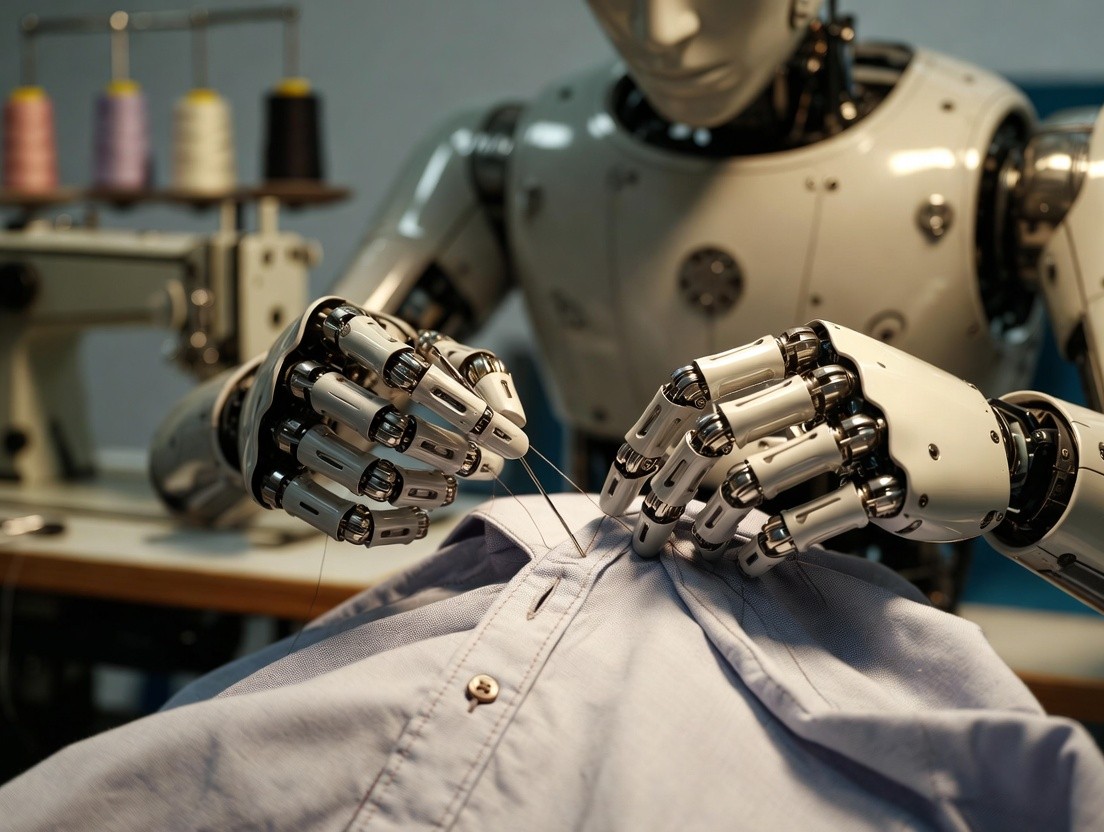
Once the AI system determines how the garment should be repaired, robotic sewing equipment performs the actual work. These machines use precision motors and sensors to guide needles and threads through the fabric.
Unlike traditional sewing machines that require manual control, robotic systems can adjust their movements automatically based on AI instructions. This allows them to follow complex stitching patterns and repair delicate fabrics without causing additional damage.
Some advanced systems can even match thread colors automatically and replicate decorative stitching styles.
Advantages of AI-Powered Clothing Repair
Automated repair technology offers several benefits for both consumers and the environment. By making garment repair faster and more accessible, AI systems can help reduce textile waste and extend the lifespan of clothing.
- Reduced textile waste
- Lower demand for new clothing production
- Affordable repair services
- Consistent repair quality
- Support for sustainable fashion practices
These benefits align with global efforts to promote more sustainable consumption patterns.
Potential Applications in the Fashion Industry
AI-based clothing repair systems could be used in various settings. Retail stores may offer automated repair stations where customers can fix damaged garments quickly. Laundry services and textile recycling facilities could also use such systems to restore clothing before reselling or donating it.
Fashion brands may adopt these technologies to support repair programs that encourage customers to keep garments longer instead of discarding them.
In addition, the technology could help manufacturers identify weak points in garment construction by analyzing common damage patterns.
The Future of AI in Textile Care
The development of AI-powered clothing repair technology represents an important step toward more sustainable fashion systems. As artificial intelligence and robotics continue to improve, these systems may become capable of performing even more complex tailoring tasks.
Future machines could adjust garment sizes, replace entire fabric sections, or even redesign damaged clothing into new styles. Integration with digital wardrobe applications may also allow users to track garment condition and receive repair recommendations automatically.
Although skilled tailors will always play a valuable role in garment craftsmanship, artificial intelligence is opening new possibilities for efficient and sustainable clothing care. By combining advanced imaging technology with robotic precision, AI systems are demonstrating that automated clothing repair can approach the skill level of professional tailors.