
In recent years, there has been a significant advancement in the field of Artificial Intelligence (AI) and Augmented Reality (AR). These technologies have become increasingly popular and have the potential to enhance virtual experiences in various fields such as gaming, education, healthcare, and...
Algorithm Determines the Authenticity of Antiques in One Minute
879
25.03.2026
The Difficulty of Authenticating Antiques
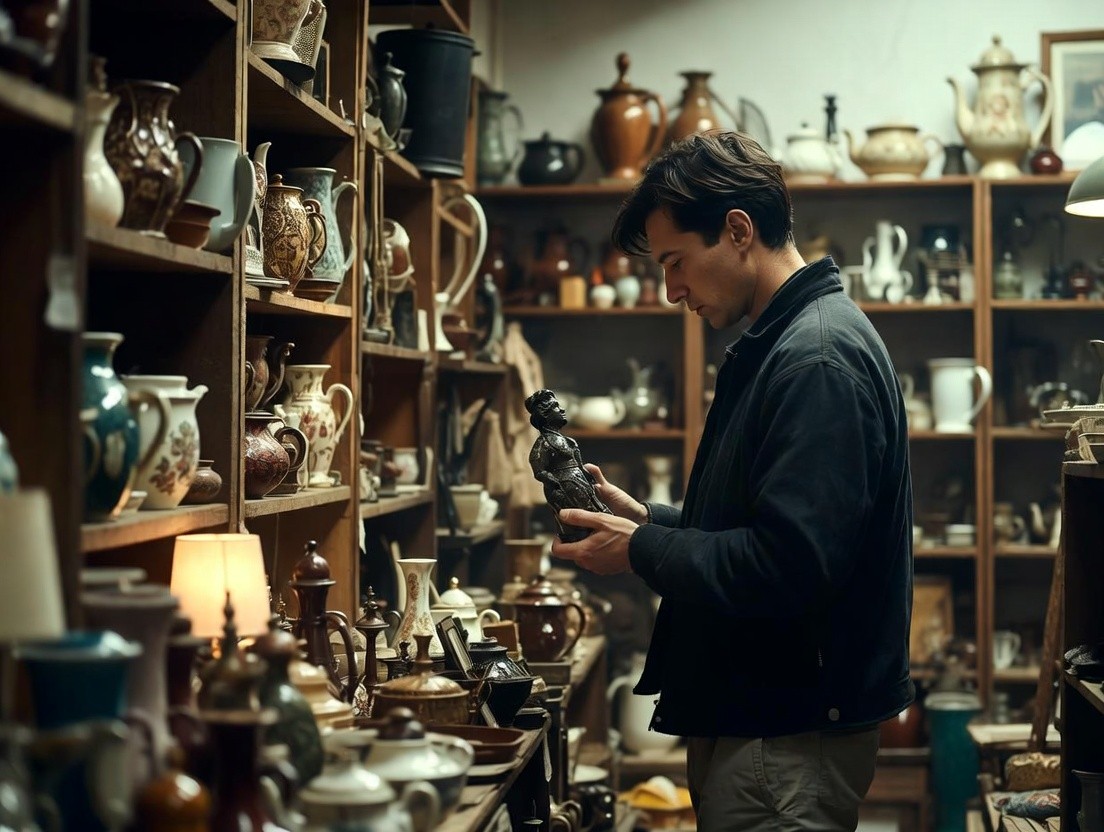
Antique objects such as paintings, furniture, coins, and sculptures often carry significant historical and financial value. Collectors, museums, and auction houses rely on experts to verify the authenticity of these items before they are sold or displayed. Traditionally, this process can take days or even weeks because specialists must examine materials, craftsmanship, historical records, and artistic styles.
However, the global market for antiques has also attracted counterfeiters who create convincing replicas. These fake items can sometimes deceive inexperienced buyers or even experienced collectors. As a result, determining whether an object is genuine has become an increasingly complex task.
Modern artificial intelligence technology is beginning to change this process. New algorithms can analyze antique objects using high-resolution images and material data to estimate their authenticity in a matter of minutes.
How the Authentication Algorithm Works
The system combines computer vision technology with machine learning models trained on thousands of verified antique objects. When an item is analyzed, the algorithm examines visual details such as patterns, textures, shapes, and aging characteristics.
High-resolution cameras capture images of the object from multiple angles. These images are then processed by the AI system, which compares them with a large reference database containing known authentic artifacts and documented replicas.
Key Features Analyzed by the Algorithm
- Surface texture and wear patterns
- Material aging and oxidation characteristics
- Tool marks and manufacturing techniques
- Color composition and pigment analysis
- Structural proportions and design details
By examining these factors together, the algorithm can identify subtle inconsistencies that might indicate a modern reproduction rather than an authentic historical object.
Machine Learning and Historical Databases
For the system to make accurate predictions, it must be trained using extensive datasets of antique objects. Museums, collectors, and research institutions have contributed digital archives containing images and documentation of verified artifacts. These archives include items from different historical periods, artistic movements, and geographic regions.
Machine learning allows the algorithm to learn the distinguishing features of genuine artifacts from each category. Over time, the system becomes better at recognizing patterns associated with authentic craftsmanship.
Types of Data Used for Training
- Photographs of authenticated antiques
- Images of known counterfeit objects
- Material composition records
- Historical design patterns
- Documentation of manufacturing techniques
This large dataset enables the algorithm to identify details that may not be obvious even to trained experts.

Speed and Efficiency of Digital Authentication
One of the most impressive advantages of algorithm-based authentication is speed. Traditional analysis may require physical examination by multiple specialists, laboratory testing, and historical research. In contrast, AI systems can analyze an object and provide a preliminary authenticity assessment within minutes.
This rapid evaluation can be particularly useful during auctions, exhibitions, or private sales where quick decisions are often necessary.
- Fast preliminary authentication results
- Support for experts during evaluation
- Reduced risk of purchasing counterfeit items
- Improved transparency in antique markets
- Greater confidence for collectors and buyers
Although final verification may still involve human experts, AI systems provide a valuable first stage of analysis.
Applications Beyond the Antique Market
The same technology used for antique authentication can also be applied in other fields. Museums and cultural institutions can use AI tools to verify artifacts before acquiring them for collections. Law enforcement agencies may use similar algorithms to identify stolen or illegally traded cultural heritage objects.
Art historians may also benefit from AI analysis when studying historical artifacts. The technology can highlight previously unnoticed details that provide clues about an object’s origin or production methods.
These applications demonstrate how artificial intelligence can support the preservation and protection of cultural heritage.
The Future of AI in Art and History
Artificial intelligence is becoming an increasingly powerful tool for historians, archaeologists, and art experts. As more artifacts are digitized and added to global databases, AI systems will gain access to larger training datasets and become even more accurate.
Future systems may integrate additional technologies such as spectral imaging, 3D scanning, and chemical analysis to provide deeper insights into artifact authenticity. By combining multiple sources of data, algorithms could deliver highly reliable assessments within seconds.
While human expertise will remain essential in evaluating historical objects, intelligent algorithms are transforming how authenticity is assessed. By analyzing complex visual and material patterns, modern AI systems can help determine whether an antique object is genuine in a fraction of the time required by traditional methods.