

In recent years, there has been a significant advancement in the field of Artificial Intelligence (AI) and Augmented Reality (AR). These technologies have become increasingly popular and have the potential to enhance virtual experiences in various fields such as gaming, education, healthcare, and...
Algorithm Discovers New Species of Health-Beneficial Bacteria
964
09.02.2026
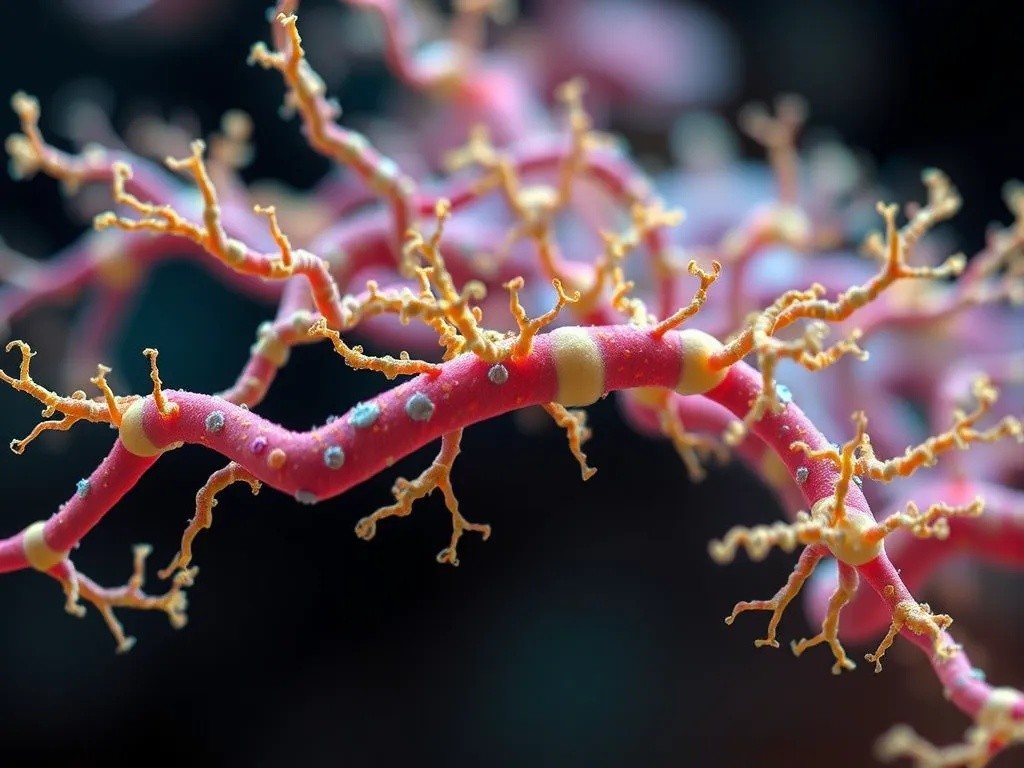
Scientists have announced a significant breakthrough in microbiome research after a machine learning algorithm successfully identified a previously unknown species of bacteria with remarkable health benefits. This discovery highlights the growing role of artificial intelligence in biological research and opens new possibilities for treating various health conditions through microbiome manipulation.
The Discovery Process
The bacterial species was discovered through an innovative computational approach that analyzed vast amounts of genetic data from human gut microbiome samples. Traditional methods of identifying new bacterial species typically require lengthy laboratory processes, but the algorithm accelerated this discovery by recognizing patterns in genetic sequences that human researchers might have overlooked.
Machine Learning Methodology
The algorithm was trained on existing databases of known bacterial genomes, learning to recognize the genetic signatures that distinguish different species. When applied to new metagenomic samples, the system identified genetic sequences that did not match any known organisms but showed consistent patterns across multiple samples from healthy individuals.
Confirmation and Isolation
Following the computational discovery, microbiologists worked to isolate and cultivate the new species in laboratory conditions. This process confirmed the algorithm's findings and allowed researchers to study the bacteria's characteristics in detail. The species has been provisionally named pending formal scientific classification.
Health Benefits of the New Bacteria
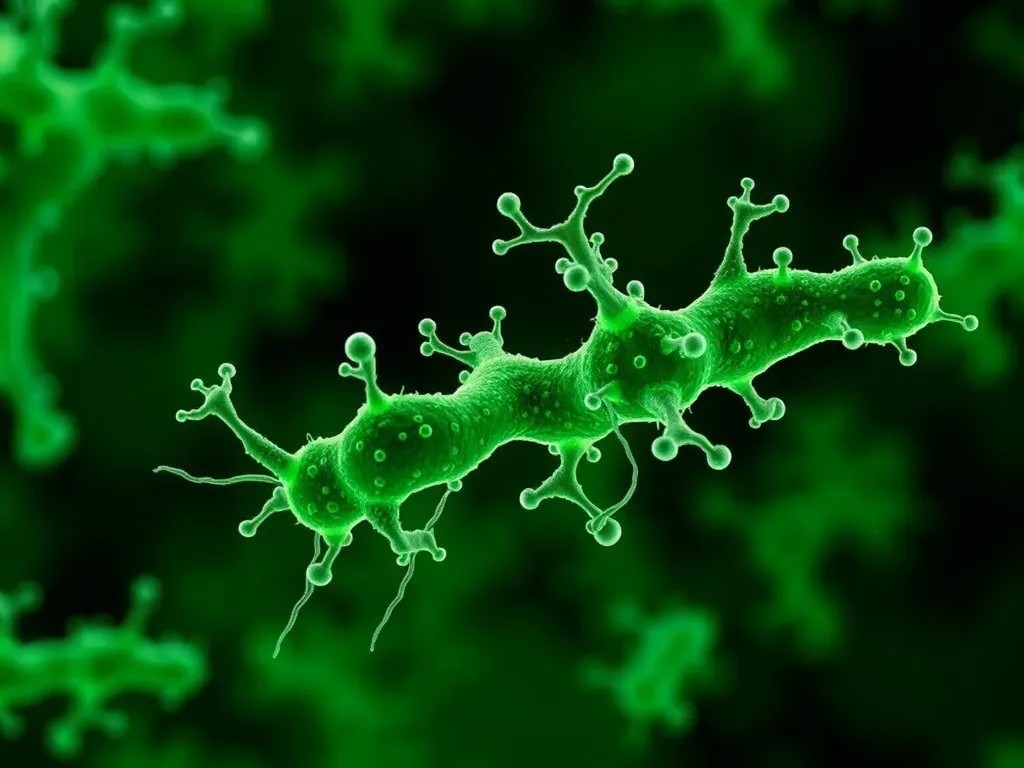
Initial research into the newly discovered bacterial species has revealed several promising health benefits. The bacteria appears to play important roles in multiple physiological processes that affect overall health and disease resistance.
Key health benefits identified so far include:
- Enhanced production of anti-inflammatory compounds in the gut
- Improved breakdown and absorption of certain nutrients
- Strengthening of the intestinal barrier against harmful pathogens
- Production of metabolites that support immune system function
- Potential protective effects against certain digestive disorders
Implications for Medicine
The discovery opens several avenues for medical applications. Researchers are already exploring how the bacteria might be developed into probiotic supplements or therapeutic treatments for specific conditions. The potential applications span preventive medicine, treatment of existing conditions, and enhancement of overall wellness.
Probiotic Development
Pharmaceutical companies have expressed interest in developing probiotic formulations containing the new species. Such products could help restore or enhance populations of beneficial bacteria in individuals whose microbiomes have been disrupted by factors such as antibiotic use, poor diet, or illness. Early discussions about clinical trials are already underway.
Personalized Medicine Applications
Understanding which individuals naturally harbor this beneficial bacterium and which do not could enable personalized interventions. Microbiome testing might identify people who would benefit from supplementation, allowing healthcare providers to make targeted recommendations rather than applying one-size-fits-all approaches.
Broader Significance for Research
Beyond the specific discovery, this achievement demonstrates the power of computational methods in biological research. The algorithm that identified this species represents a new tool that could accelerate the discovery of many more beneficial organisms living within human bodies.
Undiscovered Microbial Diversity
Scientists estimate that the human microbiome contains thousands of species that have never been formally identified or studied. The success of this computational approach suggests that many more discoveries await. Each new species identified adds to our understanding of how the microbiome influences health and disease.
Integration of AI and Biology
This discovery exemplifies the productive integration of artificial intelligence with traditional biological research. Neither computational analysis alone nor laboratory work alone would have achieved this result as efficiently. The combination of machine learning capabilities with experimental validation represents a powerful model for future research.
Future Directions
Research teams are now applying similar algorithmic approaches to other microbiome datasets, searching for additional beneficial species that might have been overlooked. The methodology developed for this discovery has been refined and shared with the broader scientific community, enabling researchers worldwide to contribute to this expanding field of study. As understanding of the human microbiome deepens, such discoveries promise to transform preventive medicine and treatment approaches for numerous conditions.