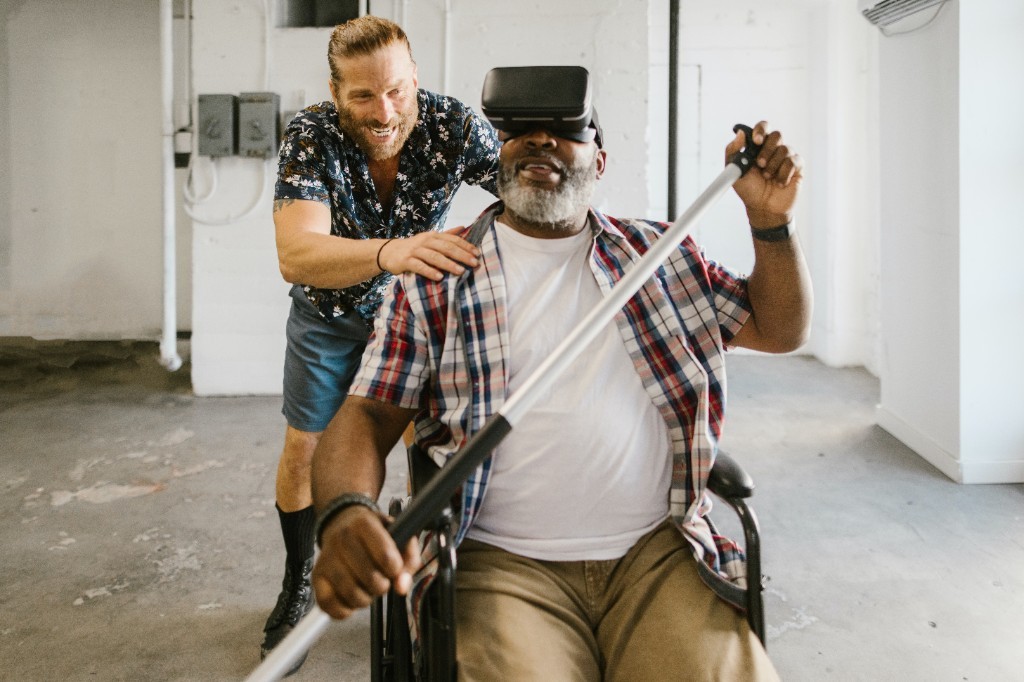

In recent years, there has been a significant advancement in the field of Artificial Intelligence (AI) and Augmented Reality (AR). These technologies have become increasingly popular and have the potential to enhance virtual experiences in various fields such as gaming, education, healthcare, and...
Algorithm Helps Rescuers Find People Under Debris
695
01.04.2026
The Challenge of Search and Rescue Operations
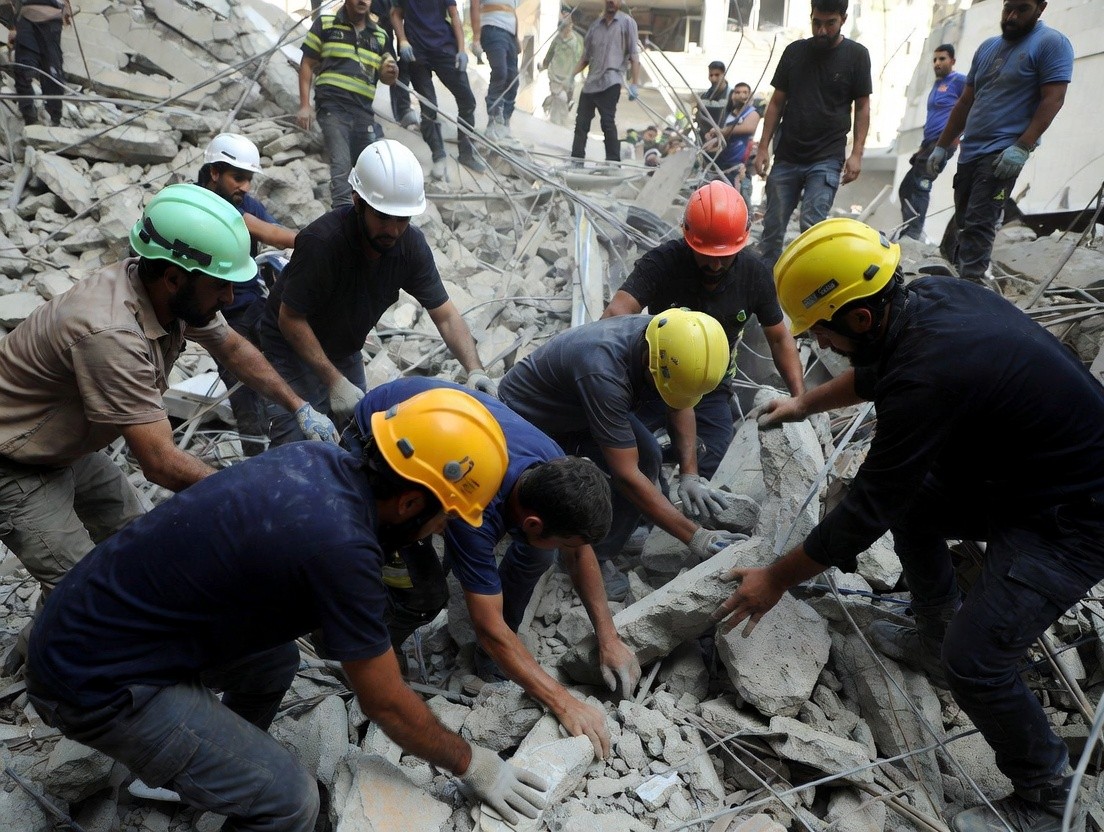
Natural disasters such as earthquakes, landslides, and explosions can cause buildings to collapse, trapping people under heavy debris. In these situations, the speed of rescue operations is critical. The chances of survival decrease significantly as time passes, which means rescuers must locate survivors as quickly as possible.
Traditional search methods often involve rescue dogs, listening devices, and manual inspection of collapsed structures. While these methods have saved many lives, they can be slow and physically demanding. In complex disaster zones, rescuers may have difficulty identifying exactly where survivors are located.
Modern technology is now providing new tools to assist emergency teams. Artificial intelligence algorithms are being developed to analyze data from multiple sensors and help rescuers locate people trapped beneath rubble more quickly and accurately.
How the Detection Algorithm Works
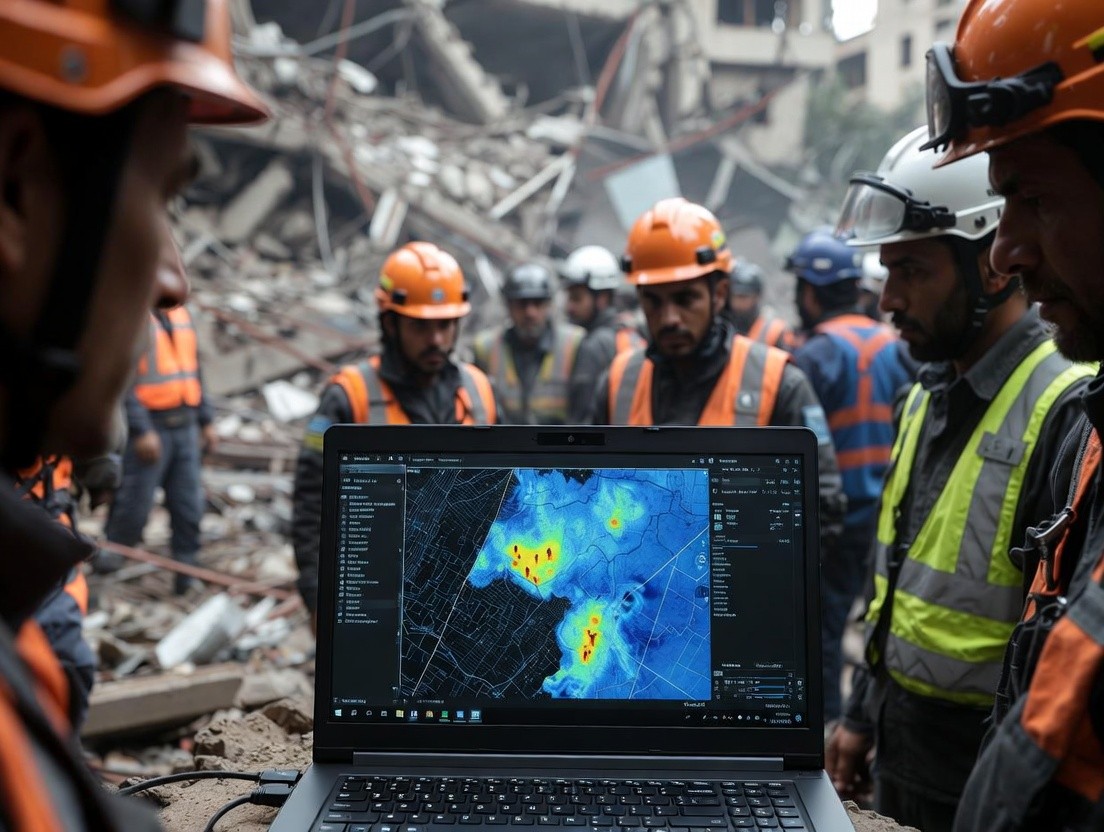
The rescue algorithm processes information collected from several types of detection equipment. These devices include drones, thermal cameras, vibration sensors, and microphones capable of detecting faint sounds or movements.
The algorithm analyzes these signals and searches for patterns that may indicate human presence. By combining data from different sources, the system can estimate where survivors are likely located even when they are hidden under thick layers of debris.
Main Data Sources Used in Detection
- Thermal imaging that detects body heat
- Acoustic sensors capturing sounds or tapping signals
- Motion sensors identifying small movements
- Radar systems detecting breathing patterns
- Drone imagery of the disaster area
When the algorithm identifies a potential signal from a survivor, it alerts rescue teams and provides an estimated location.
Thermal and Radar Technology
Thermal cameras are widely used in search and rescue missions because they can detect heat emitted by the human body. Even when a person is partially covered by debris, heat signatures may still be visible through small openings.
Another powerful technology used in modern rescue operations is life-detection radar. These systems emit radio waves that can detect tiny chest movements caused by breathing. When combined with AI analysis, radar signals can reveal the presence of people trapped deep under rubble.
Advantages of Combining Sensors
- More accurate detection of survivors
- Reduced false alarms from environmental noise
- Ability to locate people in hard-to-reach areas
- Improved coordination for rescue teams
- Faster response times during emergencies
By analyzing multiple sensor signals simultaneously, the algorithm increases the reliability of detection results.
The Role of Drones in Disaster Zones
Drones have become essential tools in modern disaster response operations. Equipped with cameras and sensors, drones can quickly survey large areas that may be dangerous for human rescuers to enter.
The images and data collected by drones are transmitted to the AI system for analysis. The algorithm scans the information for signs of movement, unusual heat patterns, or other indicators of human presence.
Because drones can reach areas that are inaccessible on foot, they significantly expand the range of search operations.
Benefits for Emergency Response Teams
Using intelligent algorithms during rescue missions offers several advantages for emergency services. By helping rescuers locate survivors more quickly, these systems can increase the chances of saving lives.
- Faster identification of trapped individuals
- More efficient use of rescue resources
- Improved safety for rescue workers
- Better coordination during large-scale disasters
- Higher survival rates for victims
These benefits are particularly important during the first hours after a disaster, when rapid response can make the greatest difference.
Challenges and Limitations
Although rescue algorithms are powerful tools, they are not perfect. Disaster environments can produce many types of noise and interference that complicate signal detection. Moving debris, machinery, and environmental conditions may sometimes produce signals that resemble human activity.
To improve accuracy, rescue teams typically combine AI analysis with human judgment and traditional search methods. This hybrid approach ensures that technology supports rather than replaces experienced rescuers.
The Future of AI in Disaster Response
Artificial intelligence is expected to play an increasingly important role in disaster response and emergency management. Future systems may integrate satellite imagery, environmental sensors, and real-time communication networks to provide a complete overview of disaster zones.
Researchers are also developing autonomous robots capable of entering collapsed structures and sending sensor data back to AI systems. These robots could reach spaces that are too dangerous for human rescuers.
By combining advanced algorithms with modern sensing technologies, emergency teams are gaining powerful tools to save lives. Algorithms that help locate survivors under debris demonstrate how artificial intelligence can assist humanitarian efforts and improve the effectiveness of disaster response operations.