
In recent years, there has been a significant advancement in the field of Artificial Intelligence (AI) and Augmented Reality (AR). These technologies have become increasingly popular and have the potential to enhance virtual experiences in various fields such as gaming, education, healthcare, and...
An Algorithm Creates Personalized Nutrition Plans for Pregnant Women
45
12.11.2026
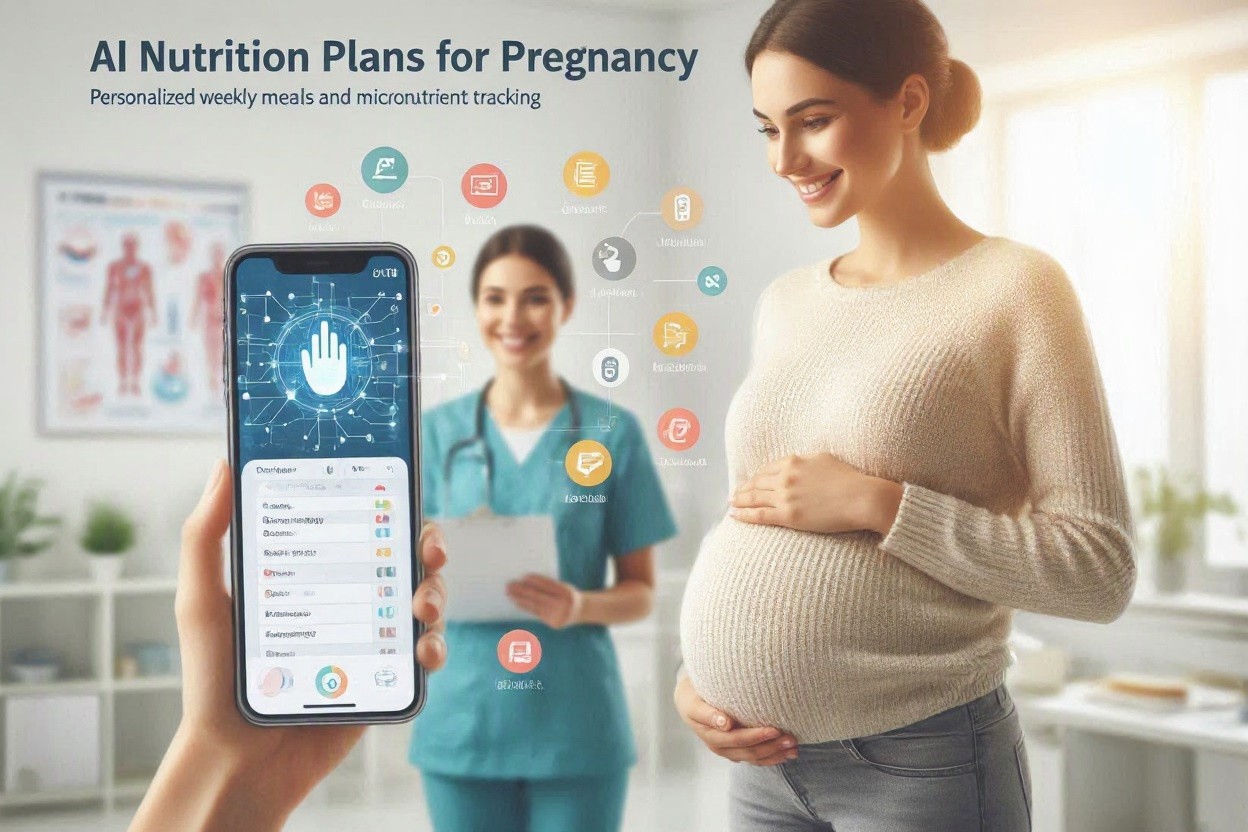
Pregnancy changes nutritional needs week by week. Energy requirements, iron status, blood sugar control, nausea, food aversions, and fetal growth all influence what a woman should eat. A new generation of nutrition algorithms is helping translate these variables into practical meal plans. Instead of offering generic advice, the system analyzes individual data and creates a plan that can be reviewed by healthcare professionals and adjusted as pregnancy progresses.
How the Algorithm Builds a Pregnancy Nutrition Plan
A personalized nutrition algorithm works by combining clinical guidelines with personal inputs. It may use information such as gestational age, pre-pregnancy weight, current weight gain, activity level, dietary pattern, lab results, allergies, and cultural food preferences. The goal is not to replace a doctor or dietitian, but to organize complex nutrition requirements into meals that are realistic, safe, and easier to follow.
- Macronutrient needs, including protein, carbohydrates, and healthy fats
- Key micronutrients such as folate, iron, iodine, calcium, vitamin D, and choline
- Food safety rules for pregnancy, including limits on high-mercury fish and unpasteurized foods
- Medical considerations such as gestational diabetes risk, anemia, hypertension, or severe nausea
- Personal preferences, budget, cooking time, and dietary restrictions
Why Personalization Matters During Pregnancy
Nutrition Needs Change by Trimester
In early pregnancy, many women struggle with nausea, fatigue, or sensitivity to smells. A useful plan may focus on small meals, bland foods, hydration, and nutrient-dense snacks. Later, as fetal growth accelerates, the algorithm may increase protein, calcium, iron-rich foods, and balanced energy intake. This trimester-based approach makes the plan more responsive than a static menu downloaded from the internet.
One Diet Does Not Fit Everyone
A vegetarian woman with low ferritin, a woman carrying twins, and a woman managing gestational diabetes need different strategies. The algorithm can identify these differences and suggest appropriate food combinations. For example, it may pair plant-based iron sources with vitamin C-rich foods, distribute carbohydrates evenly across the day, or recommend higher-protein snacks when blood sugar stability is important.
Better Adherence Through Realistic Meals
Personalization is not only about nutrients. It is also about behavior. If a plan ignores taste, schedule, cooking skills, or cultural habits, it is unlikely to last. A well-designed algorithm can prioritize familiar ingredients, suggest quick substitutions, and create shopping lists. This turns nutrition guidance into daily actions rather than abstract recommendations.
Key Features of a Safe Nutrition Algorithm
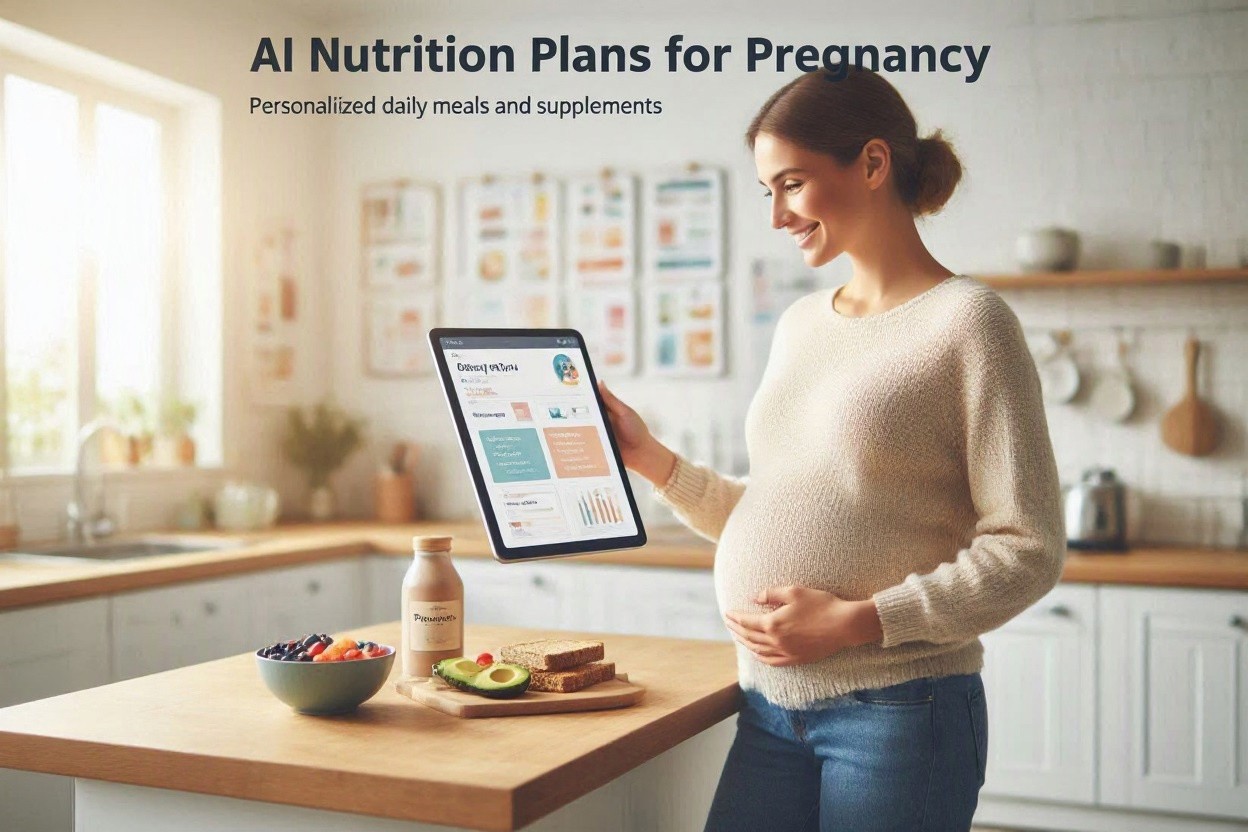
Pregnancy nutrition requires careful boundaries. A reliable algorithm should be built on recognized clinical guidelines and should flag situations that require professional care. It should not recommend restrictive diets, unsafe supplements, detox plans, or extreme calorie targets. It should also explain why specific foods are suggested, making the plan transparent rather than mysterious.
- Clinical screening: The system should ask about medical conditions, medications, allergies, and pregnancy complications.
- Evidence-based targets: Nutrient goals should follow reputable pregnancy nutrition standards.
- Safety filters: The plan should exclude foods that carry higher pregnancy risks when appropriate.
- Human review: High-risk pregnancies should involve a physician, midwife, or registered dietitian.
- Continuous updates: Recommendations should adapt to new symptoms, lab results, and weight trends.
Benefits for Women and Clinicians
For pregnant women, an algorithm can reduce confusion. Instead of searching through conflicting advice, they receive a structured plan with meals, snacks, and nutrient priorities. For clinicians, it can save time by summarizing dietary patterns and identifying potential gaps. This is especially valuable when appointments are short and nutrition counseling must be efficient.
The tool may also support earlier intervention. If the system notices low iron intake, inconsistent meals, excessive added sugar, or inadequate protein, it can prompt a discussion before problems become more serious. Over time, aggregated data may help healthcare teams understand common barriers and design better prenatal support programs.
Limitations and Ethical Considerations
Data Quality Is Essential
An algorithm is only as good as the information it receives. Inaccurate weight entries, missing lab results, or incomplete food logs can lead to weaker recommendations. Privacy is another major concern. Pregnancy health data is sensitive, so platforms must protect personal information, use secure storage, and clearly explain how data is handled.
Technology Should Support, Not Replace, Care
Personalized nutrition software can be a powerful assistant, but it cannot evaluate every symptom or complication. Rapid weight loss, persistent vomiting, high blood pressure, abnormal glucose results, or signs of nutrient deficiency require medical attention. The best systems make this clear and guide users toward professional help when needed.
The Future of Prenatal Nutrition
As algorithms become more sophisticated, personalized pregnancy nutrition plans may integrate wearable data, glucose monitoring, food photos, and electronic health records. The strongest approach will combine artificial intelligence with human expertise. When designed responsibly, these tools can make prenatal nutrition more precise, practical, and supportive for both mothers and babies.