
In recent years, there has been a significant advancement in the field of Artificial Intelligence (AI) and Augmented Reality (AR). These technologies have become increasingly popular and have the potential to enhance virtual experiences in various fields such as gaming, education, healthcare, and...
An Algorithm Predicts Customs Queue Wait Times Several Hours in Advance
22
14.11.2026
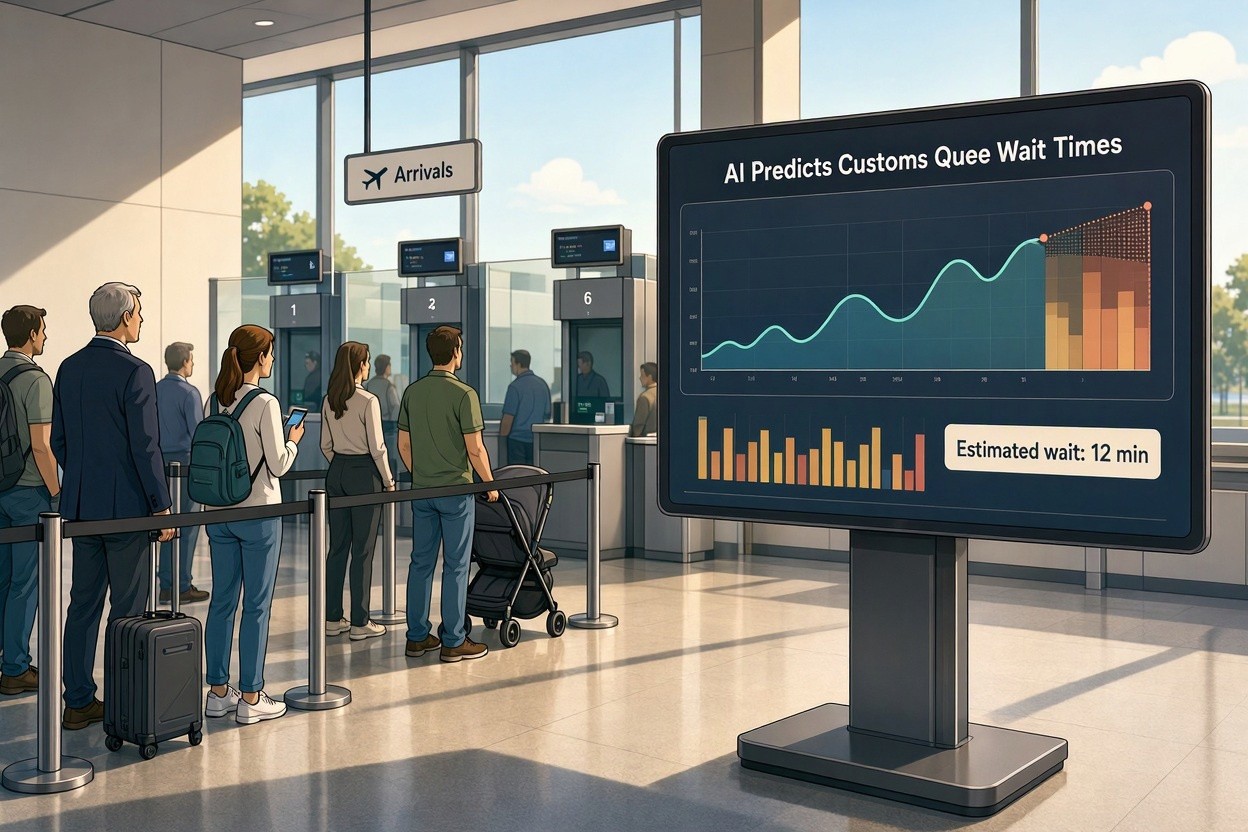
Customs queues are one of the most unpredictable points in international travel and trade. A border crossing that takes 15 minutes in the morning can stretch to two hours by afternoon, disrupting freight schedules, passenger connections, and staffing plans. Predictive algorithms are changing that by estimating customs queue wait times several hours before congestion peaks.
Instead of relying only on current camera feeds or manual reports, these systems combine historical patterns, live traffic indicators, inspection capacity, and external events. The result is a dynamic forecast that helps customs agencies, logistics companies, airports, ports, and travelers make better decisions before delays become unavoidable.
How the Prediction Algorithm Works
A customs wait-time algorithm usually begins with large volumes of operational data. This may include past arrival rates, inspection duration, vehicle classifications, staffing levels, lane availability, seasonal travel trends, and the time of day. The model then compares current conditions with historical situations that followed similar patterns.
Key Data Sources
The strongest systems use multiple data streams rather than a single measurement. Common inputs include:
- Border sensor and camera counts showing vehicle or passenger flow.
- Customs processing records, including average inspection times.
- Advance cargo and passenger information submitted before arrival.
- Road traffic data near border checkpoints and port entrances.
- Weather conditions, holidays, strikes, and major public events.
- Staffing schedules and temporary lane closures.
By combining these signals, the algorithm can detect early signs of congestion. For example, if freight volume rises faster than expected while two inspection lanes are closed, the model may predict a sharp increase in queue time three or four hours later.
Machine Learning and Time-Series Forecasting
Most modern systems use machine learning combined with time-series forecasting. Time-series methods identify recurring cycles, such as Monday morning truck peaks or weekend tourism flows. Machine learning models then adjust the forecast using real-time variables, including weather, staffing, and abnormal demand.
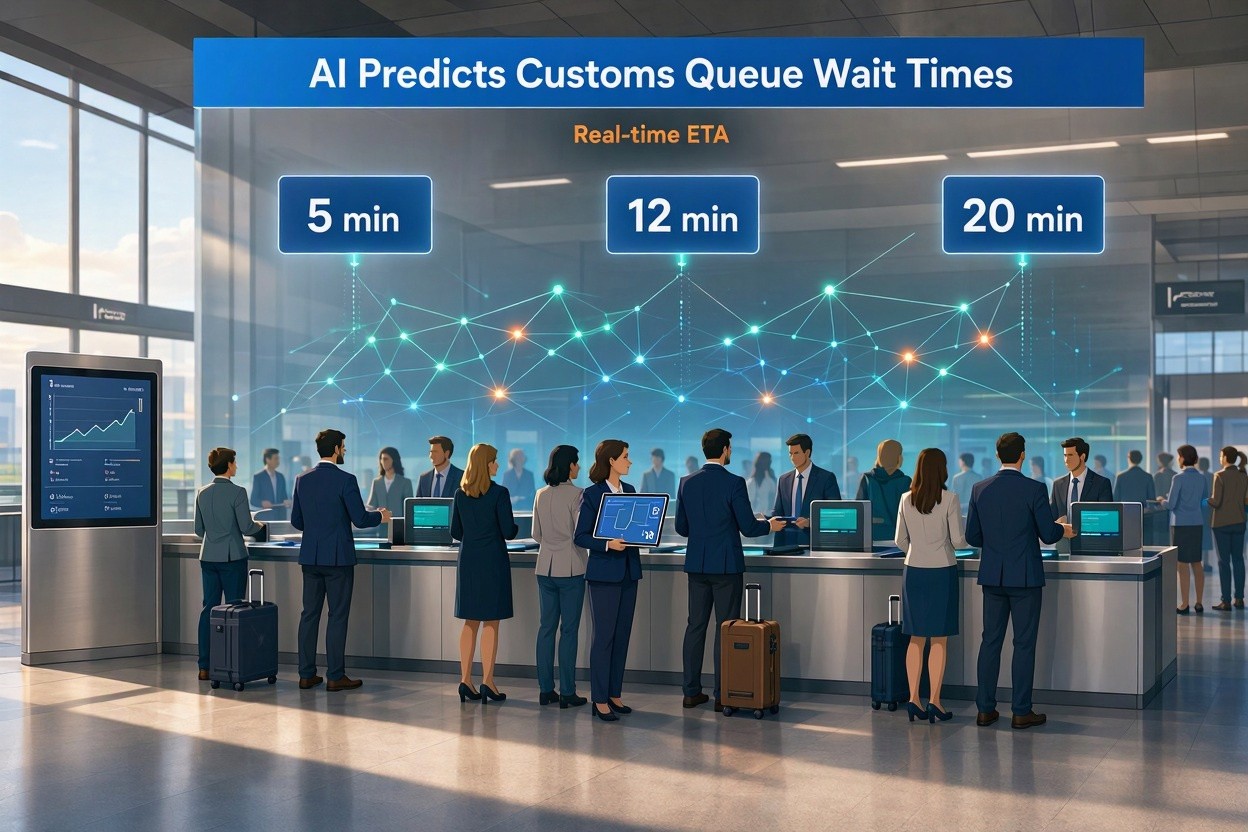
The algorithm does not simply state that a queue is long now. It estimates what the queue is likely to become. This distinction is important because customs operations often need lead time. A forecast delivered early allows managers to open more booths, redirect traffic, notify carriers, or prioritize high-risk inspections without creating unnecessary bottlenecks.
Benefits for Customs Authorities
For customs agencies, predictive queue management improves both security and service quality. When congestion is expected, supervisors can adjust staffing before pressure builds. They can also separate routine traffic from high-risk traffic more efficiently, reducing the chance that officers are forced into rushed decisions during peak periods.
Accurate forecasts also support performance planning. Authorities can compare predicted demand with actual capacity and identify repeated weak points, such as under-resourced shifts or infrastructure constraints. Over time, this creates a stronger basis for investment in additional lanes, automated gates, or digital pre-clearance systems.
Advantages for Freight and Supply Chains
For logistics providers, several hours of advance notice can be financially significant. Trucks waiting at borders consume fuel, miss delivery windows, and reduce fleet productivity. If a carrier knows that a border crossing will be heavily congested later in the day, it can choose an alternative route, reschedule departure, or adjust warehouse staffing.
Operational Decisions Improved by Forecasts
- Choosing the least congested crossing point.
- Planning driver rest periods and shift changes.
- Reducing penalties for late deliveries.
- Coordinating customs documentation before arrival.
- Improving estimated arrival times for customers.
This is especially valuable for perishable goods, just-in-time manufacturing, and high-value cargo. Even a modest reduction in uncertainty can improve supply chain resilience.
Benefits for Travelers
Passengers also gain from customs wait-time predictions. Airports, ferry terminals, and land borders can publish forecasted waiting periods through websites, mobile apps, and digital signs. Travelers can then choose better arrival times, prepare required documents, and avoid tight connections when possible.
For families, tour operators, and cross-border commuters, this information reduces stress and improves planning. Instead of discovering a delay only after joining the line, they receive a realistic expectation in advance.
Challenges and Limitations
No algorithm can predict customs queues perfectly. Sudden security alerts, system outages, severe weather, or unexpected surges in arrivals can change conditions quickly. Forecast quality also depends on data accuracy. If lane closures or staffing changes are not reported promptly, predictions may lose reliability.
Privacy is another important concern. Systems must use personal and commercial data responsibly, following legal requirements and minimizing unnecessary identification. The best solutions focus on aggregated movement patterns, operational metrics, and anonymized data wherever possible.
The Future of Predictive Border Management
As customs agencies digitize more processes, predictive queue forecasting will become a core part of border management. Future systems may integrate advance declarations, license plate recognition, appointment-based freight arrivals, and real-time risk scoring into a single operational dashboard.
The goal is not to eliminate inspections, but to make them smarter and more predictable. When an algorithm can forecast customs queue wait times several hours in advance, borders become more efficient, businesses gain reliability, and travelers experience fewer surprises. In an increasingly connected economy, that kind of foresight is no longer a convenience; it is a strategic advantage.