
In recent years, there has been a significant advancement in the field of Artificial Intelligence (AI) and Augmented Reality (AR). These technologies have become increasingly popular and have the potential to enhance virtual experiences in various fields such as gaming, education, healthcare, and...
An Algorithm Warns of Fire Risk in Residential Buildings Using Sensor Data
70
10.11.2026
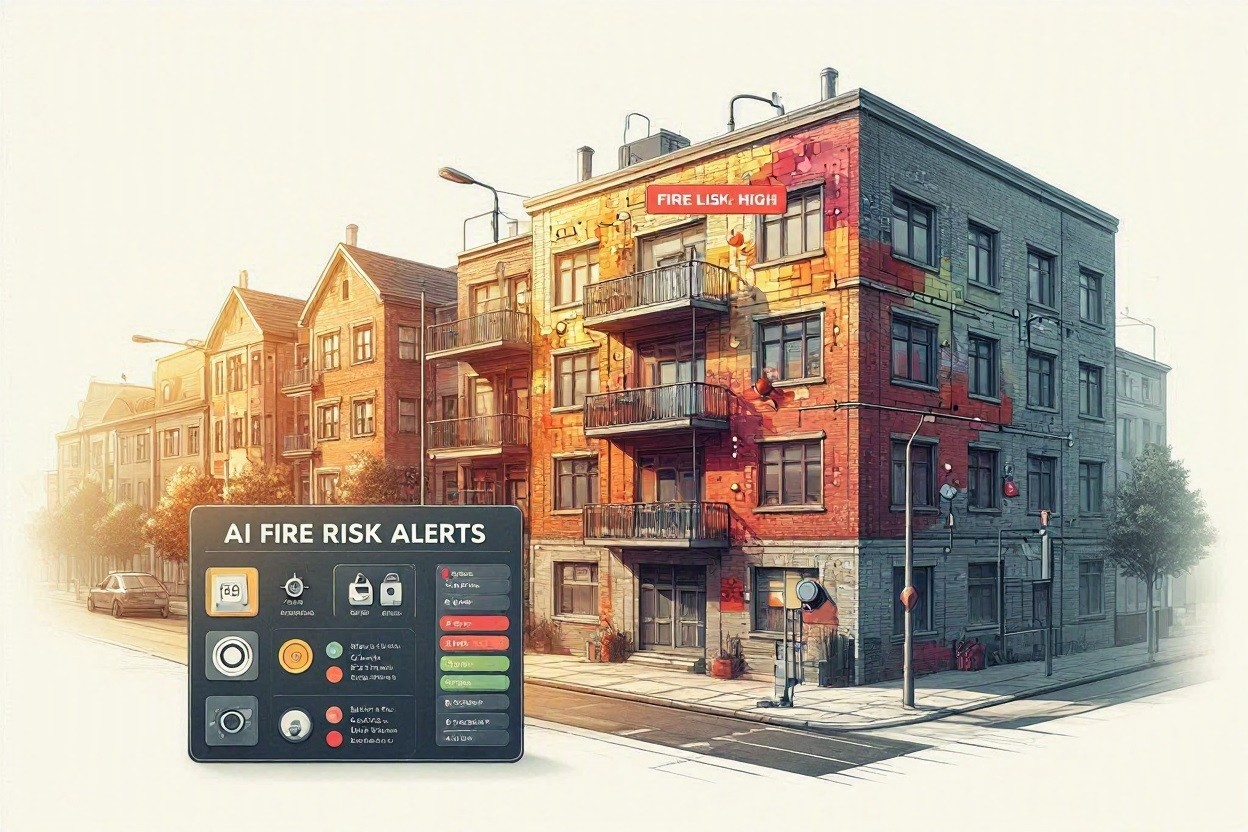
Fire safety in residential buildings has traditionally relied on alarms that react after smoke, heat, or flames are already present. A new generation of predictive systems changes that model. By analyzing sensor data from apartments, common areas, utility rooms, and electrical infrastructure, an algorithm can warn building managers and residents when conditions begin to indicate an elevated fire risk.
This approach does not replace smoke detectors, sprinklers, or emergency procedures. Instead, it adds an earlier layer of protection. The goal is to identify dangerous patterns before they become emergencies, giving people more time to inspect equipment, correct unsafe behavior, or call qualified technicians.
How Sensor-Based Fire Risk Prediction Works
A residential fire rarely starts without warning signs. Overloaded circuits, failing appliances, blocked ventilation, abnormal temperature changes, gas leaks, and unusual humidity patterns may all appear before ignition. Sensors placed throughout a building can capture these signals continuously and send them to a central platform for analysis.
Key Data Sources
The most useful systems combine several types of data rather than depending on one sensor. Common inputs include:
- Temperature readings from apartments, corridors, basements, attics, and utility rooms
- Smoke and particulate measurements from standard or advanced detectors
- Electrical load data from panels, circuits, and smart meters
- Carbon monoxide, gas, and air quality readings
- Humidity and ventilation data that may reveal overheating or poor airflow
- Historical maintenance records and previous alarm events
The algorithm compares current values with normal patterns for that building. For example, a laundry room may usually become warm in the evening, while an electrical closet should remain relatively stable. Context matters, and a well-trained model learns the difference between normal variation and risk.
From Raw Data to Actionable Alerts
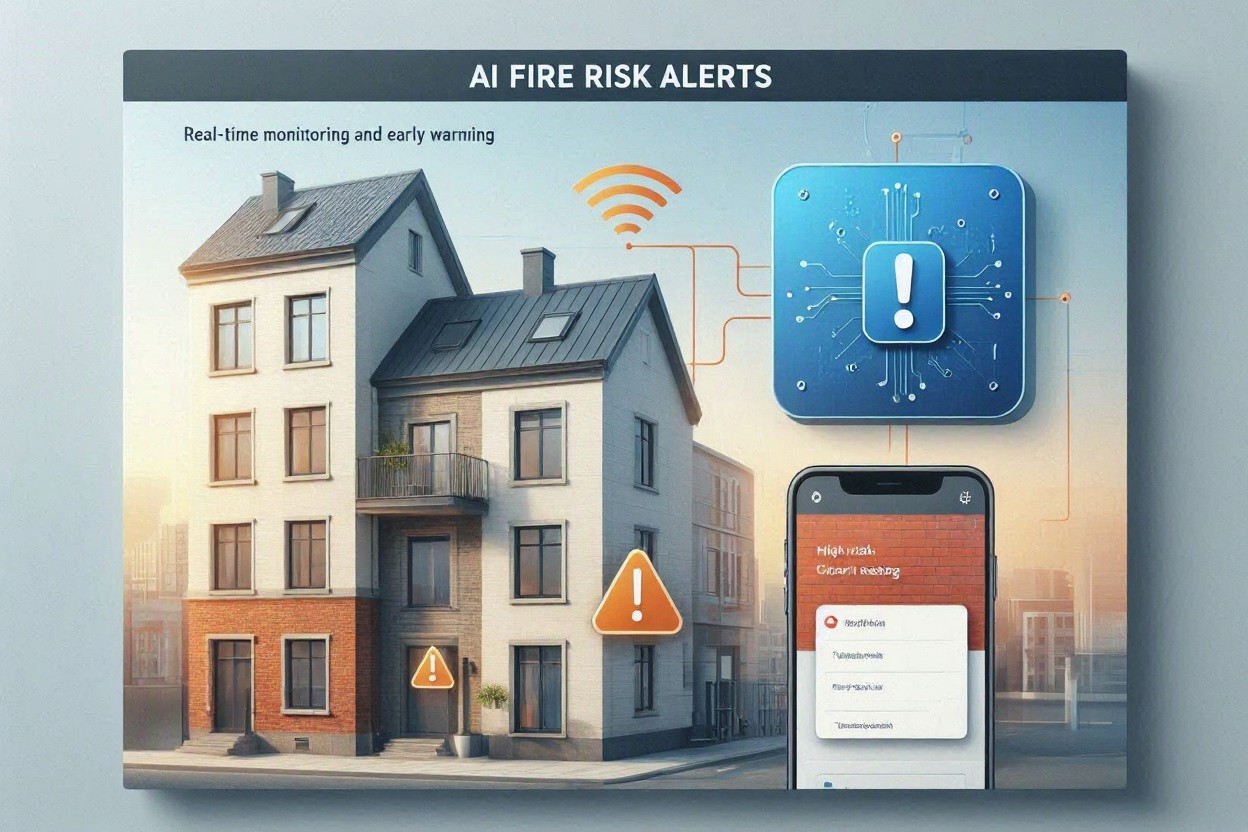
Raw sensor readings are not useful on their own. The algorithm filters noise, detects anomalies, and calculates a risk score. If several warning signals appear together, such as rising panel temperature, increased electrical load, and poor ventilation, the system can issue a targeted alert. Instead of simply saying “fire risk,” it can identify the likely location and contributing factors.
Benefits for Property Owners and Residents
Predictive fire risk technology offers practical advantages for apartment buildings, student housing, senior residences, and mixed-use residential properties. The most important benefit is earlier intervention. A maintenance team may discover a failing breaker, an overheating dryer, or an obstructed exhaust duct before a dangerous event occurs.
Reducing False Alarms
False alarms are costly and disruptive. They can also create alarm fatigue, causing residents to take real warnings less seriously. By using multiple data points, an algorithm can distinguish between burnt toast in one apartment and a developing hazard in a shared mechanical room. This improves confidence in alerts and helps emergency services respond more efficiently.
Improving Maintenance Priorities
Building managers often face limited budgets and competing repair requests. A predictive fire risk system helps prioritize work based on evidence. If the same electrical riser shows repeated heat spikes, it can be inspected before less urgent tasks. Over time, this data-driven maintenance strategy can reduce losses, insurance claims, and emergency repair costs.
Important Design and Implementation Considerations
Successful deployment requires more than installing sensors. The system must be designed for reliability, privacy, cybersecurity, and clear communication. Poorly configured alerts can overwhelm staff, while incomplete sensor coverage may create blind spots.
Privacy and Data Protection
Residential buildings are sensitive environments. Fire risk algorithms should collect only the data needed for safety. They do not need audio, video, or personal behavioral tracking to be effective. Data should be encrypted, access should be limited, and residents should understand what is collected and why.
Integration with Existing Safety Systems
The algorithm should work alongside fire alarms, sprinkler monitoring, building management systems, and emergency response protocols. Alerts must be easy to interpret and assigned to responsible personnel. A useful notification might state: “Elevated fire risk in basement electrical room: panel temperature rising above normal range for 18 minutes.” Specific information supports faster decisions.
Challenges That Must Be Managed
Predictive models are only as strong as their data. Sensors can fail, drift, or be installed in poor locations. Buildings also change over time as residents move, appliances age, and renovations alter electrical demand. Regular calibration and model updates are essential.
Another challenge is accountability. A fire risk warning should trigger a documented workflow: who receives the alert, how quickly it must be reviewed, and what actions are required. Without a response plan, even accurate predictions may not improve safety.
The Future of Residential Fire Prevention
As smart building technology becomes more affordable, algorithmic fire risk detection is likely to move from premium developments into ordinary residential properties. The strongest systems will combine real-time sensor data, building-specific learning, transparent alerts, and human expertise.
Fire prevention will always require proper construction, code compliance, resident education, and regular inspections. However, sensor-based algorithms add a powerful new capability: the ability to notice risk as it forms. In residential buildings, where minutes can save lives, that early warning can make fire safety more proactive, precise, and effective.