

In recent years, there has been a significant advancement in the field of Artificial Intelligence (AI) and Augmented Reality (AR). These technologies have become increasingly popular and have the potential to enhance virtual experiences in various fields such as gaming, education, healthcare, and...
Computer Scanner Tells If Fruit Is Ripe Without Squeezing It
527
28.12.2025
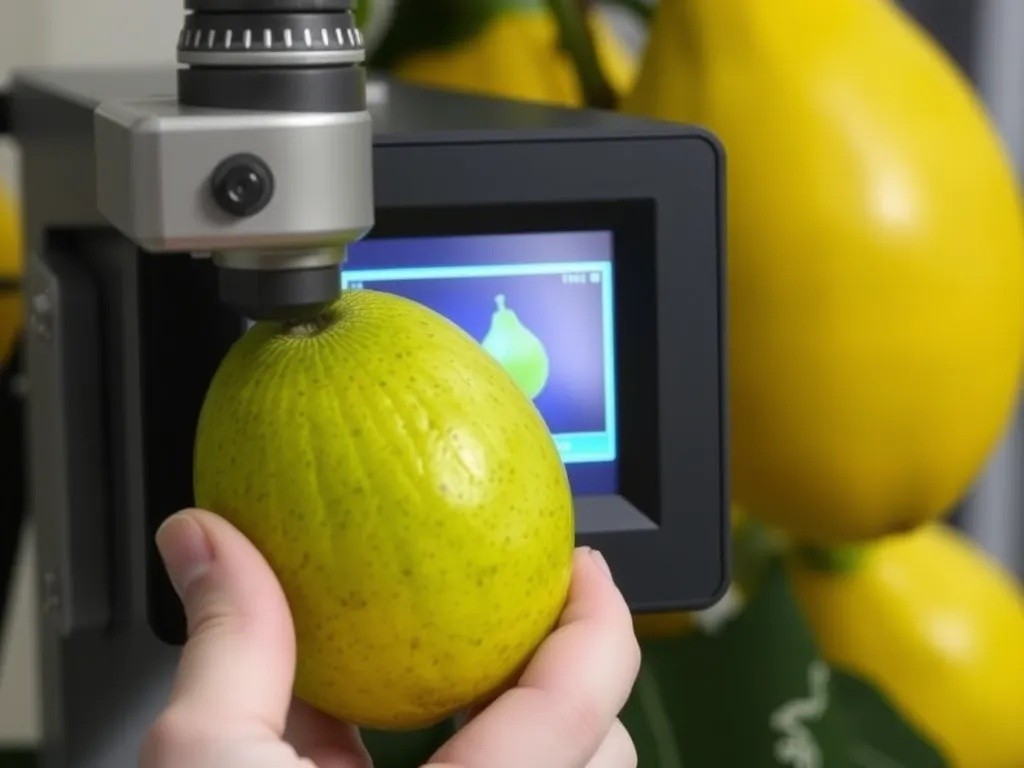
Every shopper knows the familiar ritual of squeezing avocados, sniffing melons, and examining bananas to determine ripeness. This guesswork often leads to disappointment when fruit bought today isn't ready to eat, or when yesterday's purchase has already spoiled. Computer scanners using advanced optical technology now offer a better solution, analyzing fruit ripeness instantly without touching or damaging the produce. This innovation promises to transform grocery shopping, reduce food waste, and ensure consumers take home fruit at perfect ripeness.
The Science Behind Ripeness Detection
Fruit ripeness involves complex chemical changes that affect appearance, texture, and internal composition. Traditional assessment methods rely on external cues that don't always accurately reflect internal condition. Computer scanners employ sophisticated technology to see what human eyes cannot, analyzing light interaction with fruit at molecular levels to determine exact ripeness stages.
How the Technology Works
The scanners use spectroscopy, a technique that measures how fruit absorbs and reflects different wavelengths of light. When a scanner directs light at fruit, various compounds within absorb specific wavelengths based on their chemical structure. As fruit ripens, sugars increase, acids decrease, and chlorophyll breaks down. Each chemical change creates a unique spectral signature that scanners detect and interpret.
The process involves multiple technological components:
- Near-infrared sensors that penetrate fruit skin to analyze internal composition
- High-resolution cameras capturing visual indicators of ripeness
- Machine learning algorithms trained on thousands of fruit samples
- Database systems containing ripeness profiles for dozens of fruit varieties
- User-friendly displays showing ripeness status and optimal eating dates
Practical Applications
Retail Grocery Stores
Supermarkets are implementing ripeness scanners in produce departments, allowing customers to verify fruit quality before purchase. Shoppers simply hold fruit under the scanner, which displays ripeness on a simple scale from "not ready" to "perfect" to "overripe." Some stores provide recommendations about how many days until peak ripeness, helping customers plan meals accordingly. This technology particularly benefits fruits like avocados, peaches, and pears where external appearance poorly indicates internal condition.
Home Kitchen Devices
Portable ripeness scanners designed for home use help consumers manage fruit inventory effectively. By scanning fruit upon purchase and monitoring ripeness daily, families can organize which items to eat first, reducing waste from forgotten fruit going bad. The devices connect to smartphone apps that send reminders when fruit reaches optimal ripeness and suggest recipes based on what's ready to eat.
Supply Chain Management
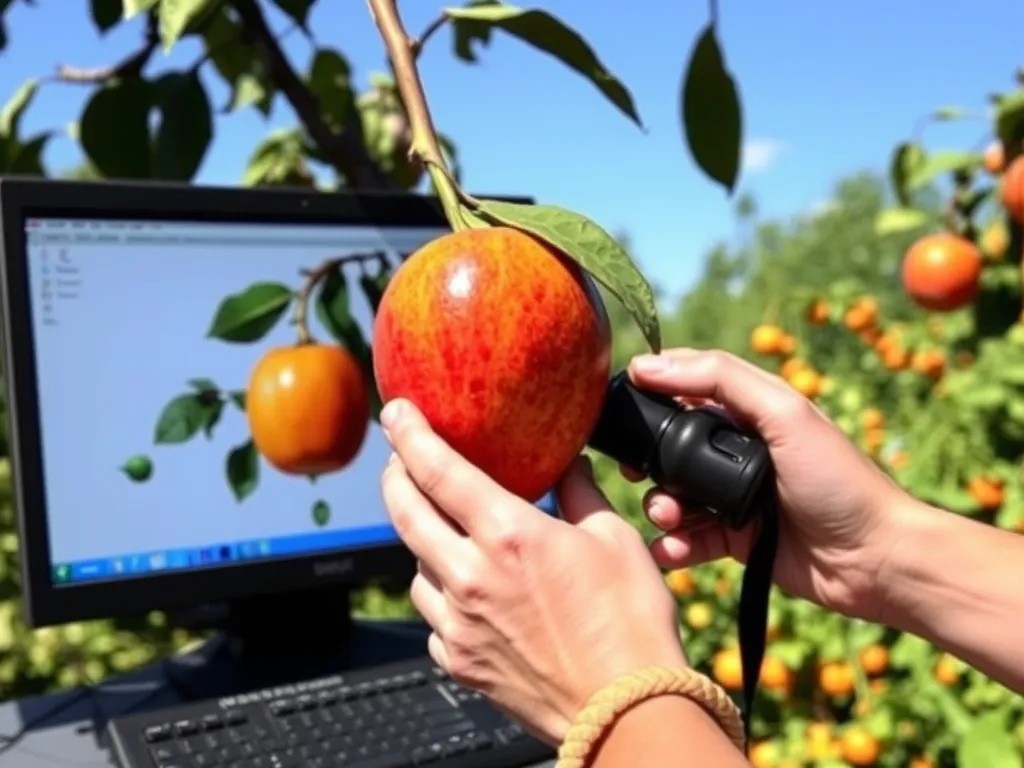
The most significant impact may occur in agricultural supply chains. Farms use scanners to determine optimal harvest timing, ensuring fruit is picked when it will arrive at stores at perfect ripeness. Distribution centers scan incoming shipments to route fruit to destinations based on ripeness, sending nearly-ripe fruit to nearby stores and less-ripe fruit to distant markets. This optimization reduces spoilage during transport and ensures consistent quality for consumers.
Benefits of Non-Contact Ripeness Detection
Reducing Food Waste
Food waste represents both an economic and environmental problem. Substantial amounts of fruit are discarded because consumers misjudge ripeness, buying unripe fruit that never properly matures or overripe items that spoil before consumption. Accurate ripeness detection helps consumers purchase fruit they'll actually eat, significantly reducing household food waste. At the retail level, stores can better manage inventory, selling fruit before it becomes unsaleable.
Maintaining Produce Quality
Traditional squeeze-testing damages fruit, creating bruises that accelerate spoilage. When hundreds of shoppers squeeze avocados daily, produce quality degrades significantly. Non-contact scanning eliminates this damage, keeping fruit fresh longer. Stores report reduced spoilage and customer complaints about bruised or damaged fruit since implementing scanner systems.
Improved Consumer Confidence
Many shoppers feel uncertain about selecting produce, especially unfamiliar fruit types. Ripeness scanners remove guesswork, giving consumers confidence in their purchases. This increased confidence encourages people to try new fruits they might have avoided due to uncertainty about selection. The technology is particularly helpful for individuals with visual impairments who cannot rely on color changes to assess ripeness.
Challenges and Limitations
Accuracy Variations
While generally reliable, scanner accuracy varies depending on fruit type and condition. Thick-skinned fruits like watermelons challenge light penetration. Fruits with complex internal structures may provide inconsistent readings. Environmental factors like temperature and humidity affect measurements. Developers continuously refine algorithms and expand training data to improve accuracy across diverse conditions.
Cost and Accessibility
Current scanner technology requires expensive components, making widespread adoption challenging for smaller retailers and individual consumers. Professional-grade systems cost thousands of dollars, while even consumer versions represent significant investments. As production volumes increase and technology matures, prices should decrease, but cost remains a barrier to universal access.
Consumer Education
Shoppers accustomed to traditional selection methods may distrust technology or find it unnecessary. Some people enjoy the tactile experience of choosing produce and see scanning as removing a personal element from shopping. Retailers must educate customers about scanner benefits and build trust in the technology's accuracy. Cultural differences in fruit selection preferences also require consideration in different markets.
Environmental and Economic Impact
Beyond individual convenience, ripeness scanners contribute to broader sustainability goals. By reducing food waste throughout the supply chain, the technology decreases the environmental impact of fruit production. Resources used growing, transporting, and storing fruit that eventually spoils represent wasted water, energy, and labor. More efficient ripeness management means these resources are used only for fruit that consumers actually eat.
Economically, better ripeness detection creates value at multiple levels. Farmers can optimize harvest timing for maximum quality and profitability. Distributors reduce losses from spoiled inventory. Retailers minimize waste and improve customer satisfaction. Consumers get better value by purchasing fruit at optimal ripeness. These combined benefits suggest significant positive economic impact as technology adoption expands.
Future Developments
Next-generation scanners will offer enhanced capabilities beyond simple ripeness detection. Future devices might identify specific fruit varieties, detect pesticide residues or contaminants, assess nutritional content, and even verify organic certification claims. Integration with augmented reality could allow shoppers to scan fruit with smartphones and see ripeness information overlaid on their device screens.
Artificial intelligence improvements will enable scanners to provide personalized recommendations based on individual taste preferences. Someone who prefers very ripe bananas would receive different guidance than someone who likes them slightly green. The technology might eventually predict not just current ripeness but also how fruit will ripen after purchase, accounting for storage conditions and ambient temperature.
Conclusion
Computer scanners that determine fruit ripeness without physical contact represent a significant innovation addressing multiple challenges in food systems. By providing accurate, non-invasive ripeness assessment, this technology empowers consumers to make better purchasing decisions, helps retailers reduce waste, and enables more efficient supply chain management. While challenges related to cost, accuracy refinement, and consumer adoption remain, the potential benefits for reducing food waste, improving produce quality, and enhancing shopping experiences are substantial. As technology becomes more accessible and sophisticated, ripeness scanners may become as common in produce departments as scales and price scanners, fundamentally changing how we select and purchase fruit.