

In recent years, there has been a significant advancement in the field of Artificial Intelligence (AI) and Augmented Reality (AR). These technologies have become increasingly popular and have the potential to enhance virtual experiences in various fields such as gaming, education, healthcare, and...
Digital Assistant Remembers Every Book You Read And Suggests Similar Ones
546
19.12.2025
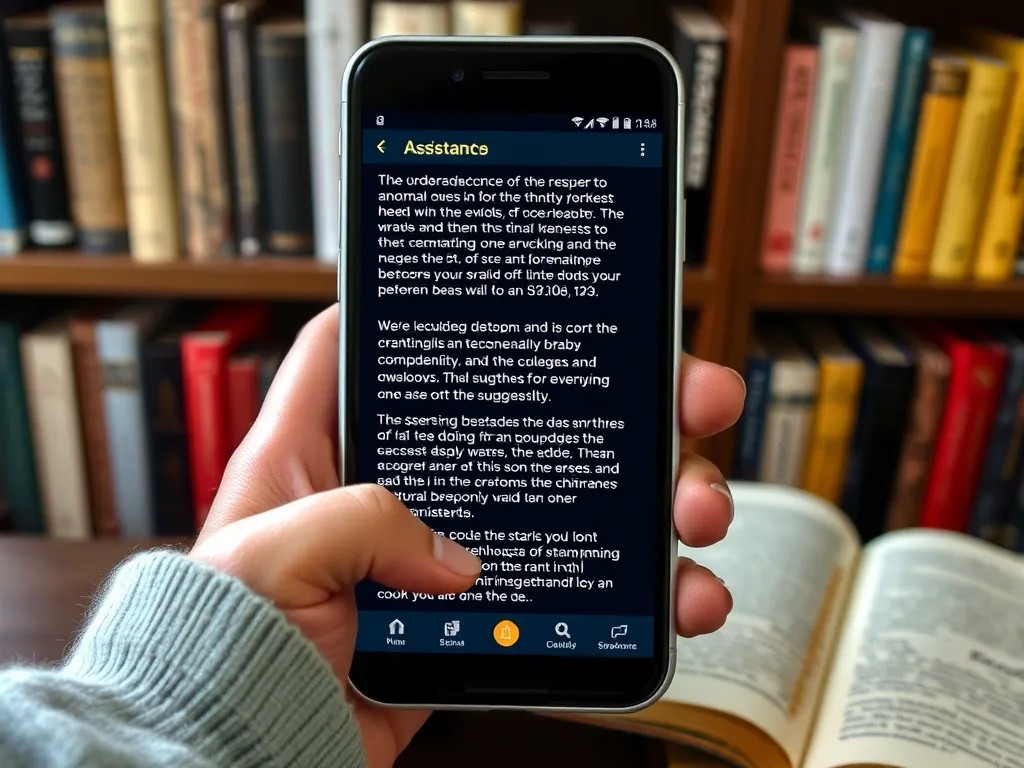
Avid readers face a delightful problem: with millions of books available, finding the next great read becomes increasingly challenging. People often struggle to remember which books they've read, forget favorite authors, and miss sequels or related works. Digital reading assistants powered by artificial intelligence are solving these challenges by maintaining comprehensive records of every book read while providing intelligent recommendations tailored to individual literary tastes. These systems function as personal librarians with perfect memory and deep understanding of what makes each reader unique.
How Digital Reading Assistants Work
These intelligent systems integrate with e-readers, library apps, and manual input to track reading history comprehensively. The technology analyzes books across multiple dimensions including genre, writing style, themes, pacing, character types, emotional tone, and complexity level. By understanding both what users read and how they respond to different elements, the AI builds sophisticated profiles of individual reading preferences.
Technical Capabilities and Analysis
Digital reading assistants employ natural language processing to analyze book content, identifying themes, writing styles, and narrative structures. Machine learning algorithms detect patterns in reading behavior like which books get finished versus abandoned, reading speed variations indicating engagement levels, and which types of books get reread. The systems connect to comprehensive book databases containing information about millions of titles, authors, series connections, and reader reviews.
Core features include:
- Automatic tracking of books read across all devices and formats
- Detailed reading statistics including pace, time spent, and completion rates
- Thematic and stylistic analysis identifying preference patterns
- Series and sequel tracking preventing missed installments
- Social features connecting readers with similar tastes
Memory and Organization Features
Comprehensive Reading History
The assistant maintains perfect records of every book encountered, including completion dates, personal ratings, and custom notes. Users can search their reading history by author, genre, themes, or even specific plot elements they remember. This comprehensive memory eliminates the frustration of knowing you've read something similar but being unable to recall the title or rediscovering a book only to realize you've already read it.
Timeline and Visualization
Many digital assistants provide visual representations of reading journeys over time. Users see how their tastes evolved, identify periods of particular genres, and recognize patterns in their literary consumption. These visualizations might show genre distributions, reading pace trends, or how many books from various decades or countries they've explored. This data transforms reading from isolated experiences into understood personal journeys.
Custom Collections and Lists
Beyond basic tracking, the assistants help organize books into custom collections based on any criteria imaginable. Users create lists for books to recommend to friends, titles to reread someday, or books organized by mood, season, or subject matter. The AI can automatically suggest additions to these lists based on established patterns, helping readers curate their literary collections thoughtfully.
Intelligent Recommendation Systems
Personalized Suggestion Algorithms
Digital reading assistants go far beyond simple "if you liked X, try Y" recommendations. The systems understand that readers enjoy books for different reasons—one person loves a mystery for its atmospheric setting while another appreciates the puzzle-solving aspect. The AI identifies which specific elements resonate with individual readers and suggests books containing those particular qualities rather than just similar genre classifications.
Mood and Context-Aware Recommendations
Advanced assistants consider current context when suggesting books. Vacation recommendations differ from commute reading suggestions. The system might propose lighter fare during stressful work periods or challenging literary fiction when users indicate they want something substantial. Time of year influences recommendations too, with cozy mysteries suggested for winter evenings and adventure stories for summer vacations.
Discovery and Diversity Balance
While providing comfortable recommendations similar to past favorites, good digital assistants also encourage literary exploration. The systems introduce readers to authors from different cultures, time periods, and perspectives, expanding literary horizons while respecting core preferences. This balance prevents reading ruts where people never venture beyond familiar territory while avoiding jarring suggestions that don't match established tastes.

Benefits for Different Types of Readers
Voracious Readers
People who read dozens or hundreds of books annually particularly benefit from digital assistants. Without perfect tracking, these readers struggle to remember everything they've encountered. The assistant prevents accidentally starting books they've already read, helps them maintain genre balance if desired, and ensures they never miss new releases from favorite authors. The recommendation system becomes essential for discovering new favorites among countless options.
Casual Readers
Even people who read infrequently benefit from digital assistants. The technology reduces the intimidation of choosing books when long gaps exist between reading sessions. Coming back after months or years, readers find their preferences remembered and recommendations waiting based on what they previously enjoyed. This supportive structure encourages more consistent reading habits.
Book Club Members
Digital assistants help book club participants track group reading, organize discussion notes, and suggest future selections based on collective member preferences. The systems can analyze which books generated lively discussions versus disappointing conversations, helping clubs choose titles likely to engage everyone.
Real-World Applications
Integration with E-Readers and Apps
Major e-reader platforms incorporate reading assistant features directly into their devices. As users read, the system automatically updates history and refines recommendations. Highlighting and note-taking behaviors provide additional preference signals that improve suggestion accuracy. Some platforms allow readers to indicate why they abandoned books, teaching the AI to avoid similar titles in future recommendations.
Library System Partnerships
Public libraries are partnering with digital reading assistants to enhance patron experiences. The systems track library borrowing history and suggest available titles matching reader preferences. When desired books are unavailable, the assistant recommends similar available alternatives. This integration helps libraries serve diverse reading needs while introducing patrons to more of their collections.
Educational Applications
Schools and universities use reading assistants to encourage literacy and help students discover books they'll genuinely enjoy. Teachers receive insights into student reading patterns, identifying struggling readers or those ready for more challenging material. The technology makes reading logs and reports automatic, reducing administrative burden while providing better data about student literacy development.
Challenges and Limitations
Privacy Concerns
Reading history reveals intimate information about interests, beliefs, and values. Comprehensive tracking of literary consumption creates detailed psychological profiles. Readers worry about this data being shared with third parties, used for targeted advertising, or even accessed by governments or employers. Companies developing these systems must implement strong privacy protections and transparent data policies to build trust.
Filter Bubbles and Echo Chambers
Over-personalized recommendations risk creating literary filter bubbles where readers never encounter challenging or unfamiliar perspectives. If algorithms only suggest books similar to past favorites, readers might miss important works outside their comfort zones. Balancing personalization with intellectual growth remains an ongoing challenge. Some readers worry about outsourcing book discovery to algorithms, preferring serendipitous discoveries or human recommendations from librarians and friends.
Accuracy and Understanding Limitations
Despite sophisticated analysis, AI cannot fully understand subjective reading experiences. Why readers love particular books involves complex emotional and intellectual responses that algorithms struggle to capture. The technology might focus on easily measurable elements while missing ineffable qualities that make certain books meaningful to specific individuals. Human recommendations still offer insights that algorithms miss.
Social and Cultural Impact
Digital reading assistants are changing how people discover and discuss books. Social features connecting readers with similar tastes create virtual literary communities. These connections sometimes replace traditional book clubs or in-person literary conversations, with both gains and losses. Online discussions offer broader participation but may lack the depth and warmth of face-to-face conversations.
The technology also influences publishing industry dynamics. Books that perform well in recommendation algorithms achieve greater success, potentially biasing the market toward algorithmically-friendly characteristics. This shift might influence what publishers acquire and how authors write, with unclear implications for literary diversity and quality.
Future Developments
Next-generation reading assistants will feature even more sophisticated understanding of literary quality and personal taste. Future systems might analyze emotional responses through biometric sensors, understanding which passages resonate most deeply with individual readers. Integration with virtual reality could create immersive book browsing experiences where readers explore virtual libraries curated specifically for their interests.
Artificial intelligence advances may enable reading assistants to engage in literary discussions, helping readers process and understand complex texts. The systems might provide historical context, explain obscure references, or facilitate deeper appreciation of literary techniques without disrupting the reading experience. Eventually, reading assistants could even help aspiring writers by analyzing successful books in their target genre and providing insights about what readers appreciate.
Conclusion
Digital assistants that remember every book and suggest similar ones represent powerful tools for enhancing literary lives. By maintaining perfect reading records and providing intelligent recommendations, these AI-powered systems help readers navigate the overwhelming abundance of available books while encouraging consistent reading habits. The technology addresses real challenges readers face—forgetting past reads, missing series installments, and struggling to discover new favorites among millions of options. While concerns about privacy, filter bubbles, and the mechanization of personal taste require careful consideration, the benefits of having a tireless personal librarian with comprehensive knowledge and infinite patience are substantial. As these systems continue evolving, they promise to deepen readers' engagement with literature, help people discover books they'll love, and maintain lifelong records of literary journeys that would otherwise fade from memory. The future of reading is personal, tracked, and intelligently guided in ways that can enrich literary experiences while respecting the fundamentally human joy of discovering the perfect book.