

In recent years, there has been a significant advancement in the field of Artificial Intelligence (AI) and Augmented Reality (AR). These technologies have become increasingly popular and have the potential to enhance virtual experiences in various fields such as gaming, education, healthcare, and...
Digital Florist Creates Bouquets for Any Occasion
696
29.03.2026
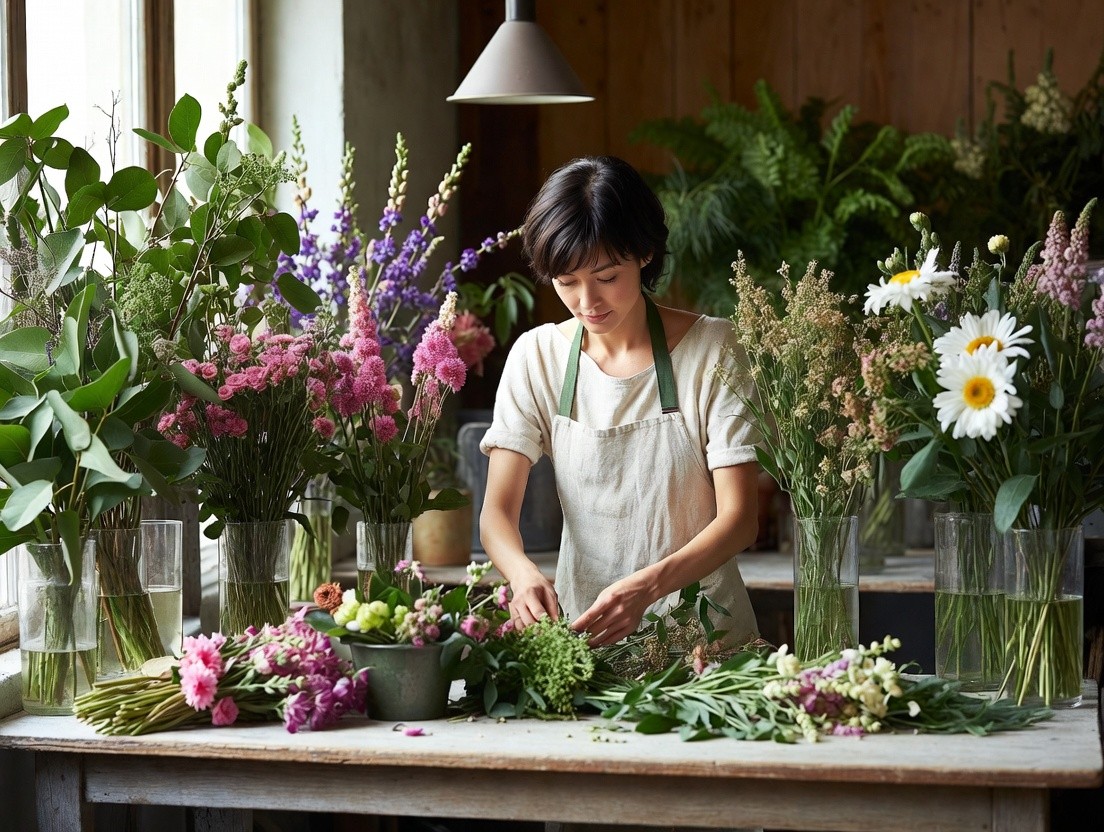
The Evolution of Floral Design
Flowers have long been used to express emotions, celebrate special events, and decorate important occasions. From weddings and birthdays to anniversaries and corporate ceremonies, bouquets often play a central role in creating atmosphere and conveying meaning. Traditionally, floral arrangements are created by experienced florists who combine different flowers, colors, and decorative elements based on artistic intuition and cultural traditions.
In recent years, digital technology has begun transforming many creative industries, including floral design. Artificial intelligence systems are now capable of analyzing flower characteristics, color combinations, and design principles to create visually balanced bouquets. These systems are sometimes referred to as “digital florists” because they assist customers in designing arrangements suited to specific occasions.
With the help of AI, users can quickly generate personalized bouquets without needing expert knowledge of floral composition.
How the Digital Florist Works
The digital florist operates through an application or online platform where users describe the type of bouquet they need. Customers may select an event, choose preferred colors, specify budget limits, or describe the emotions they want the bouquet to convey.
The AI system processes these inputs and analyzes a large database of flowers, design templates, and aesthetic rules. It then generates bouquet compositions that match the selected criteria.
Key Inputs Used by the System
- Type of occasion such as birthday, wedding, or anniversary
- Preferred flower species
- Color palette preferences
- Budget and bouquet size
- Seasonal flower availability
Using this information, the system recommends arrangements that are both visually appealing and practical based on available materials.
Artificial Intelligence and Design Principles
Creating an attractive bouquet involves more than simply combining flowers randomly. Professional florists follow design principles such as balance, contrast, harmony, and proportion. AI systems are trained on thousands of examples of professionally arranged bouquets to learn these principles.
Machine learning models analyze patterns in successful floral arrangements, including the placement of focal flowers, supporting greenery, and decorative elements. This knowledge allows the algorithm to generate new designs that follow established aesthetic guidelines.
Design Factors Considered by the AI
- Color harmony and contrast
- Flower size and shape balance
- Texture variations among different plants
- Seasonal availability of flowers
- Symbolic meaning of different flower types
By evaluating these factors simultaneously, the digital florist can produce bouquet designs that resemble those created by experienced professionals.

Personalization for Special Events
One of the main advantages of digital florists is the ability to personalize bouquets according to specific events and emotional themes. Different occasions often require different floral styles and symbolic meanings.
For example, romantic events may emphasize soft colors and delicate flowers, while corporate ceremonies may favor structured arrangements with bold visual impact.
- Wedding bouquets designed around color themes
- Birthday arrangements with vibrant flowers
- Sympathy bouquets with calm and elegant tones
- Holiday decorations using seasonal plants
- Corporate event arrangements with modern design
This flexibility allows users to create meaningful arrangements even without previous experience in floral design.
Integration with Flower Delivery Services
Many digital florist platforms are connected directly to flower suppliers and delivery services. Once a bouquet design is selected, the system can automatically generate an order that includes the required flowers and arrangement instructions.
Local florists or partner flower shops then assemble the bouquet based on the AI-generated design. This collaboration between technology and human expertise ensures that the final arrangement maintains high quality.
Customers can preview bouquet designs digitally before confirming their order, making it easier to choose arrangements that match their expectations.
The Future of AI in Floral Design
The development of digital florists illustrates how artificial intelligence can support creative professions rather than replace them. By providing inspiration and design suggestions, AI tools help florists and customers explore new ideas more quickly.
Future systems may include augmented reality tools that allow users to visualize bouquets in their homes or event venues before ordering. AI could also analyze personal preferences over time and recommend floral styles tailored to individual tastes.
Advances in environmental monitoring may also allow digital florists to recommend sustainable flower options based on local availability and ecological impact.
Although traditional floral craftsmanship will always remain valuable, digital tools are expanding the possibilities of floral design. By combining artistic principles with advanced algorithms, the digital florist makes it easier than ever to create beautiful bouquets for any occasion.