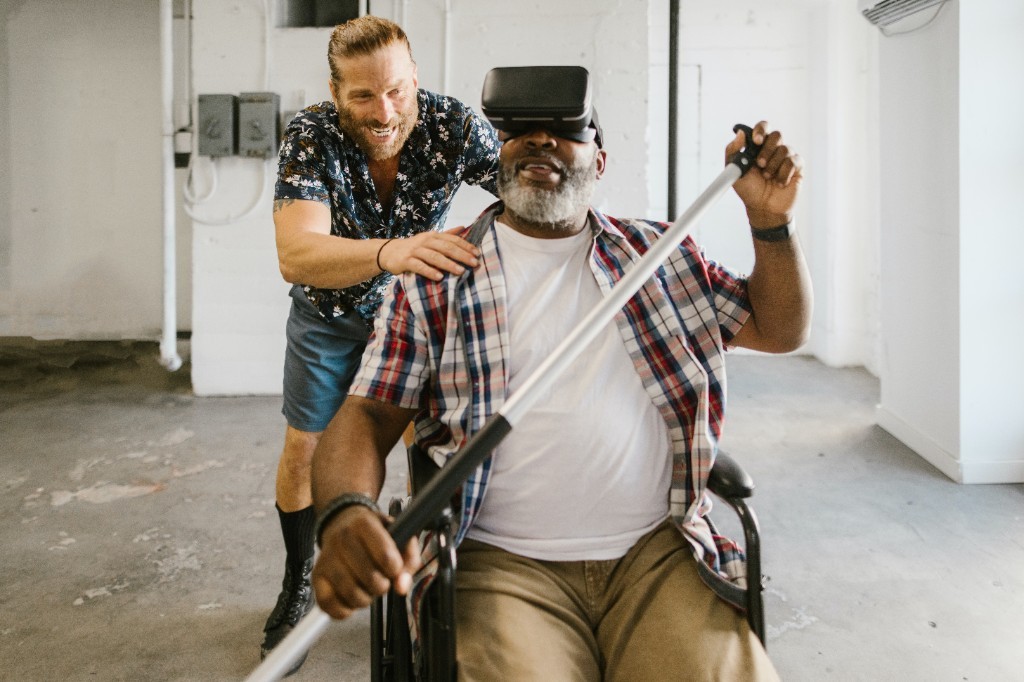
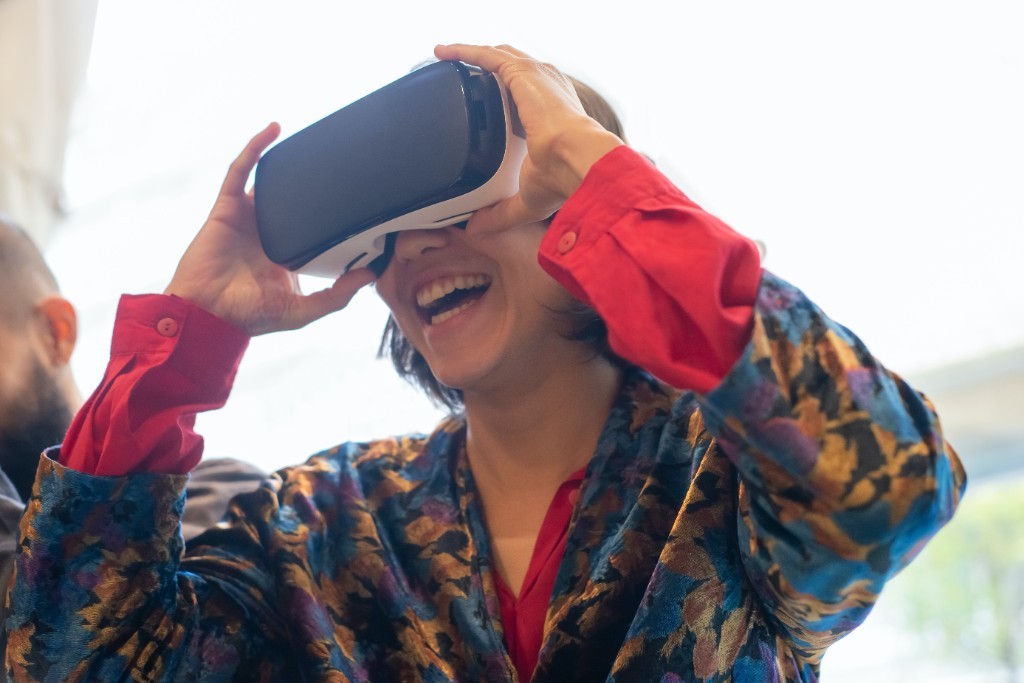
In recent years, there has been a significant advancement in the field of Artificial Intelligence (AI) and Augmented Reality (AR). These technologies have become increasingly popular and have the potential to enhance virtual experiences in various fields such as gaming, education, healthcare, and...
Digital Memory Records Dreams So You Remember Them In Morning
635
17.12.2025

Dreams fascinate humans across cultures and throughout history, yet most people forget their dreams within minutes of waking. The fleeting nature of dream memory has limited scientific understanding of dream content and prevented people from fully exploring their subconscious experiences. Emerging neurotechnology now captures brain activity during sleep and reconstructs dream experiences in forms people can review after waking. This remarkable capability combines advanced brain monitoring, artificial intelligence, and our growing understanding of how the sleeping brain generates subjective experiences. While still in early development, dream recording technology opens fascinating possibilities for psychology, entertainment, and self-understanding.
The Challenge of Dream Memory
Dreams occur primarily during REM sleep when the brain is highly active but muscle movement is inhibited. During these periods, people experience vivid sensory impressions, emotional responses, and narrative sequences that feel completely real. However, the neurochemistry of sleep prevents these experiences from transferring into long-term memory effectively. Unless people wake during or immediately after a dream, the memories fade rapidly, often disappearing before full consciousness returns.
Why We Forget Dreams
The sleeping brain produces very different patterns of activity than the waking brain. Neurotransmitters important for memory formation, particularly norepinephrine, remain at low levels during sleep. The hippocampus, crucial for converting experiences into lasting memories, functions differently during dreams than during waking life. These neurological factors explain why even vivid, emotionally powerful dreams often vanish completely within five to ten minutes of waking. People may retain a vague sense that they dreamed without any specific content memory.
How Dream Recording Technology Works
Dream recording systems use non-invasive brain monitoring to measure neural activity throughout sleep. The technology builds on decades of sleep research but applies modern AI capabilities to interpret brain signals and reconstruct dream content. The process involves several sophisticated steps that transform electrical brain activity into descriptions and visualizations of dream experiences.
Brain Activity Monitoring
Users wear comfortable headbands or caps containing multiple sensors that detect electrical activity across different brain regions. These sensors measure EEG patterns with much higher resolution than traditional sleep study equipment. The system tracks which brain areas activate during different dream phases, monitoring visual processing centers, language regions, emotional systems, and memory networks. The combination of signals from multiple locations provides rich information about what the sleeping brain is processing.
Signal Interpretation with AI
Raw brain activity data contains patterns but no direct representation of dream content. Artificial intelligence trained on extensive datasets of brain activity paired with reported dream experiences learns to decode these patterns. The AI recognizes neural signatures associated with specific types of experiences, such as visual imagery, emotional states, social interactions, or physical sensations. While the system cannot read minds in a literal sense, it identifies correlations between brain activity patterns and experiential categories.
Creating Dream Reconstructions
The system generates multiple forms of dream records. Text descriptions provide narrative summaries of dream sequences, capturing major events, settings, and emotional themes. Visual reconstructions attempt to represent dream imagery, though current technology produces impressionistic representations rather than photorealistic reproductions. Audio components capture emotional tones and significant sound elements. The result resembles edited movie sequences more than literal replays but preserves core dream experiences in reviewable form.
Personalized Learning
Dream recording systems improve accuracy through personalization. During initial use, the system asks users to record voice descriptions of any dreams they naturally remember upon waking. It correlates these reports with the brain activity that occurred during those dreams, learning how each individual's neural patterns correspond to specific experiences. Over weeks of use, the system develops personalized models that increasingly accurately interpret that person's dream signals. This learning process means reconstruction quality improves substantially over time.
Reviewing Recorded Dreams
Morning review of dream records happens through smartphone apps or connected displays. The interface presents dreams chronologically, showing how dream content evolved through the night. Users can quickly scan summaries of each dream episode or explore detailed reconstructions of particularly interesting sequences. The system highlights emotionally significant dreams and recurring themes that might hold psychological relevance.
Dream Journal Integration
The technology integrates with digital dream journaling, allowing users to add their own notes, interpretations, and reflections. Over time, the system identifies patterns in dream content, tracking recurring symbols, locations, people, or emotional themes. This longitudinal analysis can reveal interesting insights about subconscious preoccupations, emotional processing, and how waking experiences influence dream content. Psychologists and therapists can use this information in clinical contexts to better understand patients' internal experiences.
Scientific and Therapeutic Applications
Beyond personal curiosity, dream recording technology serves important scientific purposes. Researchers use it to study how the brain processes emotions, consolidates memories, and generates narrative experiences. The technology provides unprecedented access to dream content across large populations, enabling statistical analysis of dream patterns that was previously impossible.
Mental Health Applications
Dream content often reflects emotional states and psychological processes. Recurring nightmares, anxiety dreams, or patterns of dream content can indicate mental health concerns. Therapists working with trauma survivors, anxiety disorders, or depression find dream analysis valuable but have historically relied on patients' limited spontaneous recall. Dream recording technology provides more complete information, potentially improving diagnostic insights and therapeutic interventions. Some treatments for PTSD specifically target nightmare content, and detailed dream records enhance these approaches.
Creative and Entertainment Uses
Artists, writers, and creative professionals often mine dreams for inspiration but struggle with rapid memory loss. Dream recording technology preserves bizarre imagery, unexpected narrative connections, and emotional atmospheres that characterize dreams. Many users report that reviewing dream records sparks creative ideas that would have been completely lost without the technology.
Entertainment applications include sharing interesting dream experiences with friends or on social media, though privacy controls remain essential. Some users enjoy comparing dreams with partners or family members, discovering similarities or differences in dream content and style. Gaming applications that incorporate personal dream elements into virtual experiences represent another emerging entertainment category.
Limitations and Challenges
Current dream recording technology cannot capture every detail of dream experiences. The reconstructions remain interpretations rather than perfect recordings. Visual representations especially remain approximate and impressionistic rather than photographically accurate. The technology works better for some people than others, depending on individual brain activity patterns and sleep quality. Users with irregular sleep or certain sleep disorders may find the system less effective.
Ethical Considerations
The ability to record dreams raises privacy questions. Dreams often contain private thoughts, embarrassing scenarios, or sensitive content that people might not want recorded. Security of dream data becomes crucial as it represents intimate information about inner experiences. Robust encryption and user control over data storage and deletion are essential. Questions also arise about whether other people should ever access someone's dream records, even with permission, and what psychological impacts might result from extensive dream documentation.
Sleep Quality Impact
Researchers carefully monitor whether dream recording devices affect sleep quality itself. The headbands are designed for maximum comfort and minimal sleep disruption. Studies so far suggest most users adapt quickly without significant sleep quality impact. However, individuals with sensitivity to wearing devices during sleep may find the equipment uncomfortable. The psychological impact of increased dream awareness also requires consideration as some people find extensive dream recall overwhelming or distracting.
Future Developments
Ongoing research focuses on improving reconstruction quality, making visual representations more detailed and accurate. Scientists work on systems that could eventually capture specific dream details like faces of dream characters or exact colors and textures. Integration with virtual reality could allow more immersive review of dream experiences. Some researchers explore whether the technology might eventually enable limited communication with dreamers or even shared dreaming experiences between people, though these capabilities remain speculative.
Philosophical Implications
Dream recording technology raises interesting questions about the nature of consciousness and experience. It demonstrates that subjective experiences correlate with measurable brain activity in ways we can learn to decode. This bridges the gap between internal mental experiences and external observation. The technology also changes the ephemeral nature of dreams, making them permanent records rather than fleeting experiences. This transformation may alter how people relate to their dreams and what dreams mean psychologically when they can be reviewed indefinitely.
Digital dream recording represents a fascinating convergence of neuroscience, artificial intelligence, and human curiosity about inner experience. While the technology remains imperfect and raises important ethical questions, it provides unprecedented access to a realm of human experience that has always fascinated but remained frustratingly inaccessible. As the technology improves and becomes more widely available, it may fundamentally change how people understand and engage with their dream lives.