
In recent years, there has been a significant advancement in the field of Artificial Intelligence (AI) and Augmented Reality (AR). These technologies have become increasingly popular and have the potential to enhance virtual experiences in various fields such as gaming, education, healthcare, and...
Digital Translator Helps Doctors Understand Patients From Other Countries
509
20.12.2025
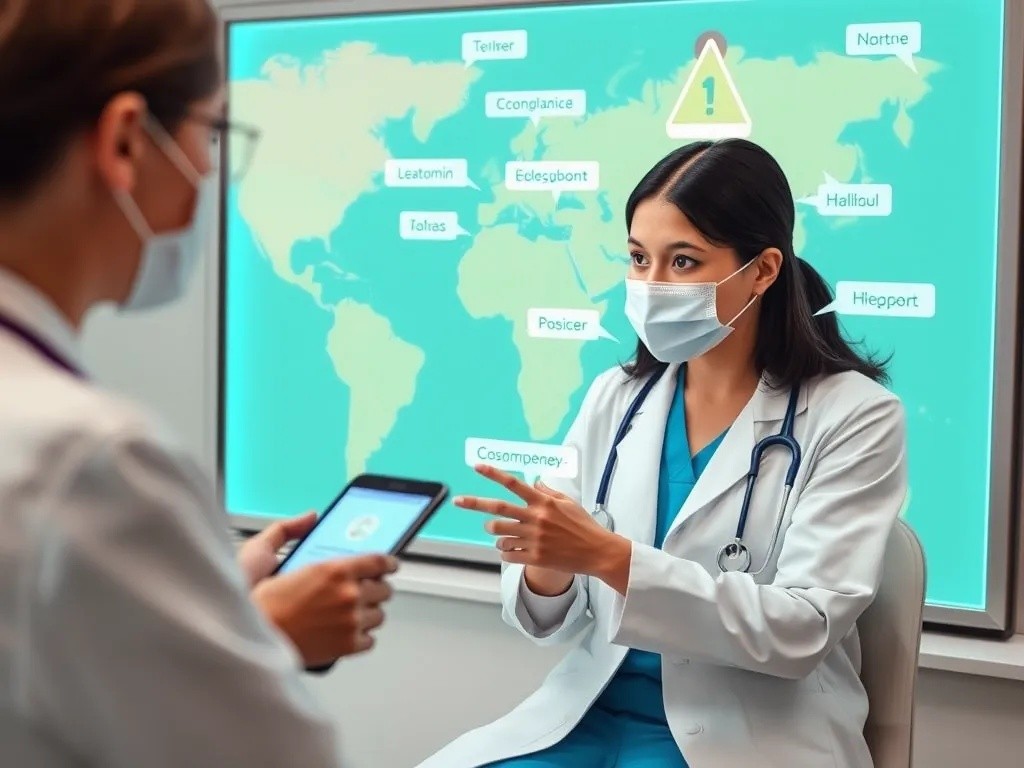
In emergency rooms and medical clinics worldwide, language barriers can mean the difference between accurate diagnosis and dangerous misunderstanding. A patient unable to describe symptoms properly or a doctor unable to explain treatment instructions creates serious healthcare risks. Digital medical translators are revolutionizing this critical challenge, using artificial intelligence to provide instant, accurate translation of medical conversations, ensuring that quality healthcare is accessible regardless of language differences.
The Critical Need for Medical Translation
Healthcare communication requires precision that general translation tools cannot always provide. Medical terminology is complex, symptoms must be described accurately, and treatment instructions must be perfectly clear. Traditional solutions like human interpreters are expensive, not always immediately available, and may not be accessible during emergencies. Phone interpretation services introduce delays and lack the personal connection important in medical care. Digital translators address these limitations by providing immediate, specialized medical translation at the point of care.
How Medical Translation Devices Work
Advanced medical translators use artificial intelligence trained specifically on healthcare conversations and medical terminology. The devices employ sophisticated speech recognition that understands various accents and can function in noisy hospital environments. Natural language processing interprets meaning beyond literal word translation, considering medical context and cultural nuances. The system then delivers translations through clear audio and visual displays that both doctors and patients can easily understand.
Key technological features include:
- Medical vocabulary databases covering thousands of conditions and treatments
- Real-time conversation translation with minimal delay
- Visual aids showing body diagrams and symptoms
- Privacy protection with encrypted medical conversations
- Offline functionality for areas with poor internet connectivity
Practical Applications in Healthcare Settings
Emergency Room Communications
In emergency situations, every second counts. Digital translators enable paramedics to gather vital information from patients who speak different languages during ambulance transport. Emergency room doctors can quickly understand symptoms, allergies, and medical history without waiting for interpreter services. The devices help medical staff explain urgent procedures and obtain informed consent, even when treating patients in crisis situations.
Primary Care and Specialist Consultations
During regular appointments, translators facilitate detailed conversations about chronic conditions, lifestyle factors, and treatment plans. Doctors can explain complex diagnoses and medication instructions clearly. Patients feel comfortable asking questions and expressing concerns, leading to better health outcomes. The technology proves especially valuable in specialist appointments where technical terminology might confuse even skilled human interpreters.
Mental Health Services
Mental health treatment demands nuanced communication about emotions and experiences. Modern medical translators are sophisticated enough to handle psychological terminology and convey emotional tone. Therapists can build rapport with patients despite language differences, and patients can express feelings with confidence that their words are understood accurately.

Benefits for Healthcare Providers and Patients
Improved Diagnostic Accuracy
When doctors fully understand patient symptoms, diagnoses become more accurate. Studies show that language barriers contribute to misdiagnosis and inappropriate treatments. Digital translators reduce these errors by ensuring clear symptom description and medical history communication. Patients can describe pain, discomfort, and other subjective experiences accurately, providing doctors with information crucial for proper diagnosis.
Enhanced Patient Compliance
Patients who understand their conditions and treatment plans are more likely to follow medical advice. Clear translation of medication instructions reduces errors in drug administration. Patients grasp why lifestyle changes are important and how to implement them effectively. This improved understanding leads to better health outcomes and reduces hospital readmissions.
Increased Healthcare Access
Digital translators make healthcare more accessible to immigrant communities and travelers. Patients feel more comfortable seeking medical care when they know communication won't be an obstacle. This increased access leads to earlier treatment of conditions, preventive care, and better overall public health outcomes in diverse communities.
Challenges and Limitations
Technical Accuracy Concerns
Despite impressive capabilities, no translation system is perfect. Medical terminology varies across regions even within the same language. Rare conditions or unusual symptoms might not translate accurately. Some medical concepts don't have direct equivalents in all languages, requiring careful explanation rather than simple translation. Healthcare providers must remain alert for potential translation errors and verify understanding through multiple methods.
Cultural and Contextual Issues
Language translation alone doesn't address cultural differences in discussing health. Some cultures use indirect communication about sensitive topics that direct translation might miss. Concepts of illness, pain, and treatment vary culturally, and translators may struggle with these nuances. Gender considerations, religious beliefs, and cultural taboos require human sensitivity that artificial intelligence cannot fully replicate.
Privacy and Security
Medical conversations contain highly sensitive information requiring strict privacy protection. Digital translators must comply with healthcare privacy regulations like HIPAA. Concerns exist about data storage, who has access to translation records, and potential security breaches. Healthcare facilities must carefully evaluate the security measures of translation devices before implementation.
Real-World Implementation Examples
Major hospitals in diverse urban areas report significant benefits from medical translators. One New York hospital system reduced interpretation wait times from an average of 20 minutes to under 30 seconds using digital devices. Emergency departments in California noted improved patient satisfaction scores and reduced treatment delays for non-English speakers. Rural clinics serving immigrant agricultural communities found the technology essential for providing basic healthcare services.
International organizations use portable translation devices in humanitarian medical missions, enabling doctors to treat populations in regions with dozens of local languages. Military medical facilities employ the technology to communicate with injured personnel from allied nations and to provide care in conflict zones with diverse populations.
The Future of Medical Translation
Next-generation devices will incorporate more sophisticated artificial intelligence capable of understanding regional dialects and colloquial expressions. Future systems might analyze tone and emotion, alerting doctors when patients seem confused or distressed despite verbal assurances. Integration with electronic health records could provide translators with patient history context, improving translation accuracy for ongoing conditions.
Researchers are developing specialized translation tools for specific medical fields like oncology or pediatrics, where terminology and communication needs differ significantly from general medicine. Virtual reality interfaces might create immersive consultation experiences where translation happens seamlessly without devices drawing attention to language differences.
Conclusion
Digital medical translators represent a crucial advancement in making healthcare accessible and effective for all patients regardless of language. By breaking down communication barriers, these devices improve diagnostic accuracy, enhance patient compliance, and potentially save lives in emergency situations. While challenges remain regarding accuracy, cultural sensitivity, and privacy protection, the benefits clearly outweigh limitations in most clinical scenarios. As technology continues to improve and healthcare systems increasingly serve diverse populations, medical translation devices will become essential tools in delivering equitable, high-quality care to everyone who needs it.