

In recent years, there has been a significant advancement in the field of Artificial Intelligence (AI) and Augmented Reality (AR). These technologies have become increasingly popular and have the potential to enhance virtual experiences in various fields such as gaming, education, healthcare, and...
Digital Travel Guide Knows Hidden Places Tourists Never Find
488
25.12.2025
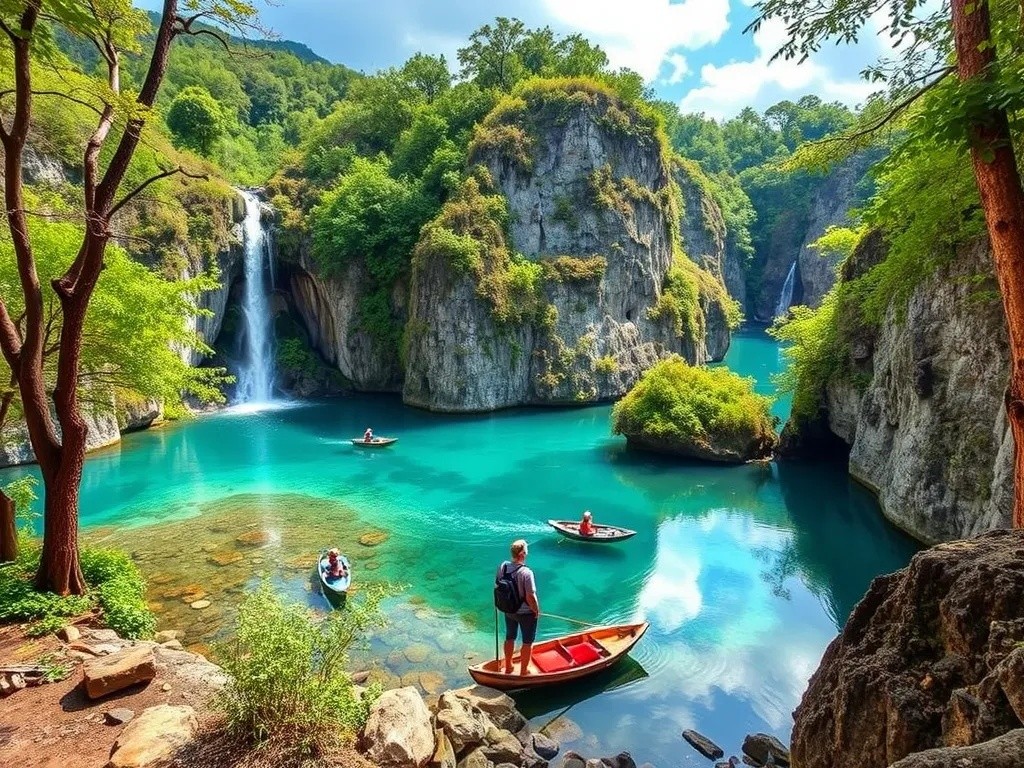
Traditional travel guides lead millions of tourists to the same overcrowded landmarks, restaurants, and photo opportunities year after year. While these famous destinations have their merits, they often provide a sanitized tourism experience that misses the authentic character of a place. A new generation of digital travel guides uses artificial intelligence, local knowledge databases, and real-time information to reveal hidden places that most tourists never discover. These tools help travelers experience destinations the way locals do, finding remarkable places that traditional guidebooks overlook entirely.
Beyond Standard Tourist Attractions
The digital guide works fundamentally differently than traditional travel resources. Instead of curating a fixed list of major attractions, it maintains a dynamic database of thousands of locations in each city or region it covers. This database includes information gathered from local residents, food bloggers, photographers, historians, and people who have lived in the area for years and know its hidden treasures.
What Makes a Place Hidden
Hidden places are not necessarily secret or difficult to reach. Many are in plain sight but simply unknown to tourists because they lack marketing budgets, international recognition, or mentions in major guidebooks. These might include:
- Neighborhood bakeries frequented only by local residents
- Small museums dedicated to specific aspects of local history or culture
- Parks and gardens used by families from the area rather than tour groups
- Viewpoints offering stunning city vistas without the crowds
- Family-run restaurants serving traditional cuisine unchanged for generations
- Art galleries showcasing local artists rather than international exhibitions
Personalized Discovery Based on Interests
The digital guide learns about each traveler's specific interests, preferences, and travel style to customize recommendations. Unlike generic guidebooks that assume all tourists want the same experience, this system recognizes that some travelers seek culinary adventures while others prioritize historical exploration, architectural appreciation, or outdoor experiences.
Interest Matching Algorithm
When setting up the guide, travelers indicate their interests through a simple but comprehensive questionnaire. The system asks about food preferences, activity levels, cultural interests, budget considerations, and travel pace. Someone interested in photography receives suggestions for locations with exceptional light at specific times of day. History enthusiasts learn about small monuments and plaques that tell compelling local stories. Food lovers discover where locals actually eat rather than tourist-oriented restaurants.
Real-Time Availability and Timing
One major advantage of digital guides over printed materials is access to current information. The system knows which hidden spots are actually accessible on any given day, accounts for seasonal changes, and suggests optimal visiting times to avoid even the modest crowds these lesser-known places might attract.
The guide considers factors like opening hours for small businesses, weather conditions that might affect outdoor locations, and local events that could make certain areas particularly interesting or difficult to access. It also suggests strategic timing, such as visiting a popular neighborhood cafe during mid-afternoon lull rather than breakfast rush, or exploring a scenic viewpoint just after sunrise when even locals are scarce.

Navigating Off the Beaten Path
Finding hidden places requires more than just knowing they exist. The digital guide provides precise navigation that accounts for walkability, public transportation options, and even suggests scenic routes between locations. It recognizes that the journey between hidden gems can be part of the experience, directing travelers through interesting neighborhoods rather than just the fastest path.
Language and Cultural Support
Many hidden local spots are run by people with limited English or tourist-oriented services. The guide provides essential phrases in local languages, explains cultural customs relevant to specific locations, and offers tips for respectful interaction. It might explain that a particular traditional teahouse expects customers to stay for extended periods rather than quick visits, or that a neighborhood market operates on cash-only bartering customs.
Verification and Quality Control
The system maintains quality through continuous verification processes. Local contributors review and update information regularly. The AI analyzes reviews and visitor feedback to ensure recommended places maintain their character and quality. If a once-hidden gem becomes overrun with tourists or changes significantly, the system updates recommendations accordingly.
The guide also distinguishes between "hidden places worth finding" and simply unknown locations that are unremarkable. Not every little-known spot deserves a visit, and the system filters suggestions to include only places that offer genuine value, whether through exceptional food, beautiful settings, historical significance, or unique local character.
Responsible Tourism Considerations
Sharing hidden places raises important questions about responsible tourism. The guide incorporates principles of sustainable travel, suggesting behaviors that minimize negative impact on local communities and businesses. It provides guidance on appropriate spending, respecting residential areas, and understanding when a location might be inappropriate for outsiders.
Protecting Local Character
The system aims to introduce respectful travelers to authentic experiences without overwhelming small businesses or destroying the local character that makes places special. It sometimes limits how widely it shares certain locations, or suggests specific times when tourist visits least impact local life. For fragile locations or communities, the guide might provide information without exact addresses, requiring some exploration to discover them organically.
Learning from Experience
As travelers use the guide and visit recommended places, the system learns from their feedback. It refines future suggestions based on which hidden places each person found most rewarding. Over multiple trips or extended stays, the recommendations become increasingly sophisticated, revealing progressively more obscure and personalized discoveries.
Changing How People Travel
Digital guides that reveal hidden places are transforming tourism from a checklist of famous sites into genuine cultural exploration. Travelers spend time in neighborhoods they would never have visited, meet locals operating small businesses, and develop much deeper understanding of places they visit. These experiences create more meaningful memories and support local economies in ways that benefit entire communities rather than just major tourist operations.
For destinations struggling with overtourism at major attractions, these guides help distribute visitors across wider areas, reducing pressure on famous sites while supporting lesser-known local businesses. This technology demonstrates how artificial intelligence can enhance travel experiences while promoting more sustainable and culturally respectful tourism practices.