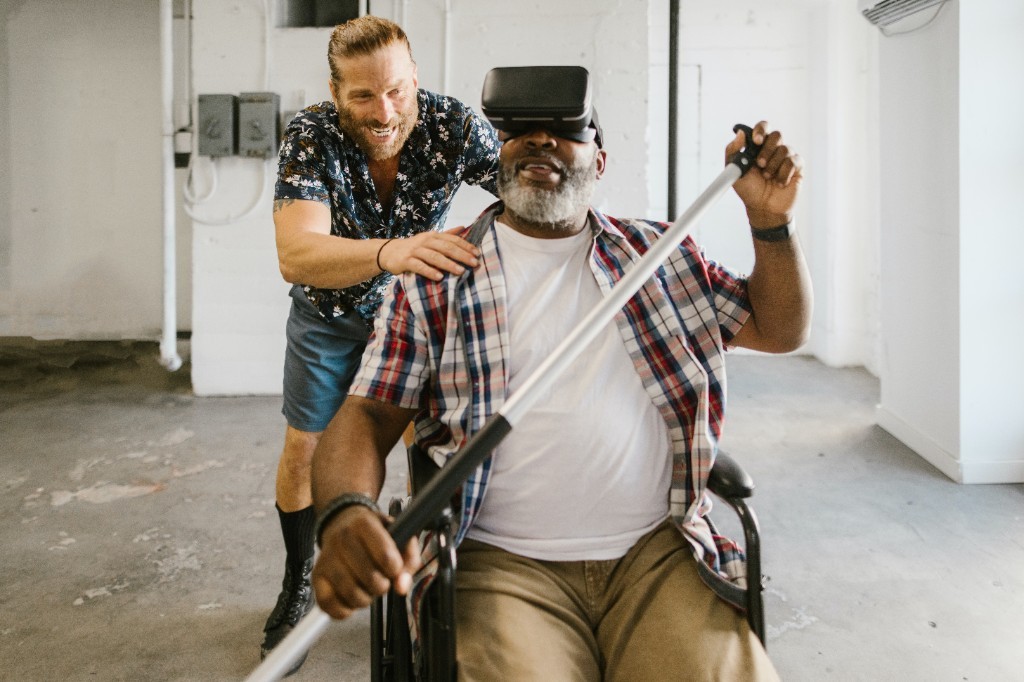

In recent years, there has been a significant advancement in the field of Artificial Intelligence (AI) and Augmented Reality (AR). These technologies have become increasingly popular and have the potential to enhance virtual experiences in various fields such as gaming, education, healthcare, and...
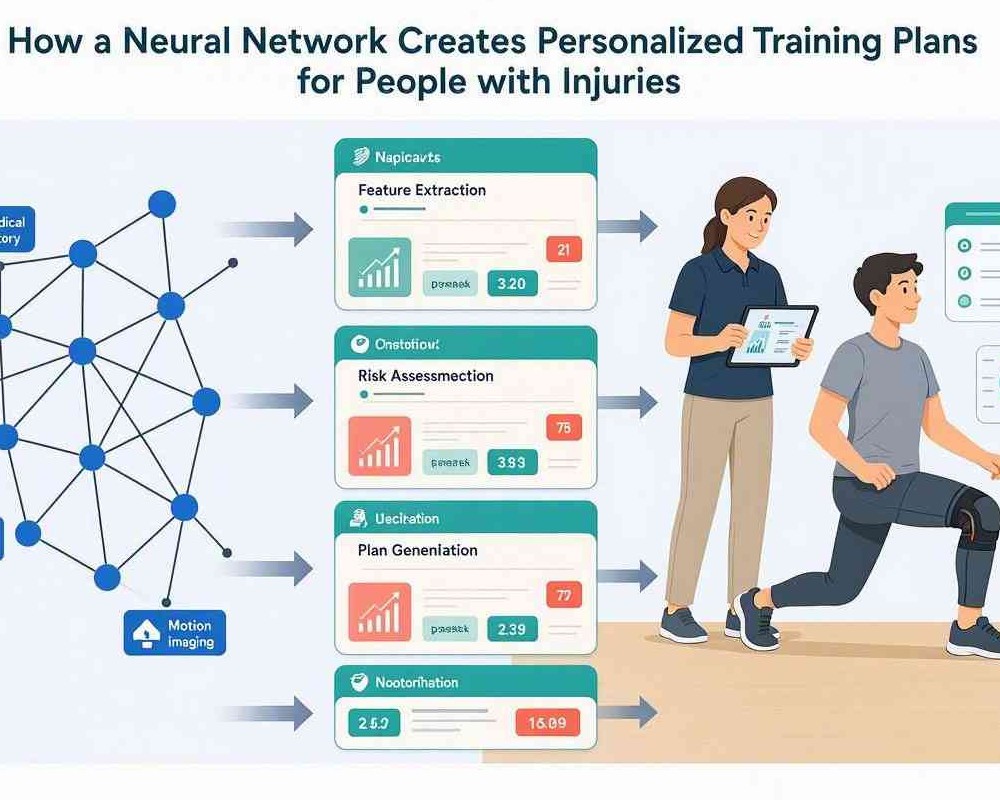
How a Neural Network Creates Personalized Training Plans for People with Injuries
139
20.08.2026
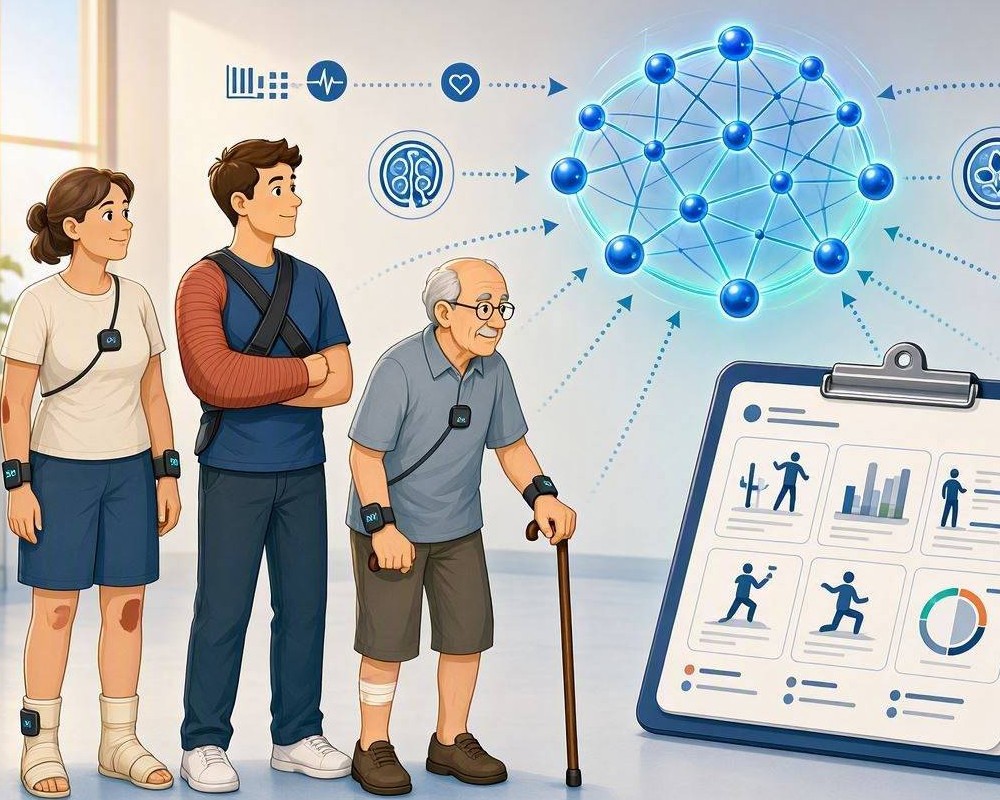
Returning to physical activity after an injury requires more than choosing lighter weights or reducing workout time. Recovery speed, pain levels, mobility, medical history, and personal goals vary significantly between individuals. A neural network can analyze these factors together and help produce a personalized training plan that changes as the person progresses. Used under professional supervision, this technology can make rehabilitation-focused exercise more precise, responsive, and accessible.
How AI Builds an Individual Training Plan
A neural network learns relationships within large sets of training and recovery data. Instead of applying one standard program to everyone with a similar diagnosis, it compares the user’s profile with relevant patterns. The system can then recommend suitable exercises, intensity levels, rest periods, and progression rates.
Information Used by the System
The quality of an AI-generated plan depends on the accuracy and relevance of its inputs. Depending on the platform and the user’s consent, the system may evaluate:
- the type, location, and severity of the injury;
- medical restrictions provided by a physician or physiotherapist;
- age, body composition, and previous activity level;
- range of motion, strength, balance, and flexibility;
- pain, stiffness, fatigue, and recovery after each session;
- heart rate, sleep, and movement data from wearable devices;
- available equipment and personal fitness goals.
The neural network converts these inputs into practical recommendations. For example, a person recovering from a knee injury may receive low-impact mobility exercises, controlled strength work, and longer recovery intervals rather than running or deep loaded squats.
Continuous Adaptation
Personalization does not end after the first assessment. The user records completed sessions and reports symptoms, while connected sensors may track movement quality and workload. If performance improves without increased pain, the system can gradually add repetitions, resistance, or exercise complexity. If discomfort or fatigue rises, it may reduce the load, suggest additional rest, or flag the case for professional review.
Benefits of Neural Network Training Programs
Adaptive planning can address one of the main challenges in injury recovery: finding the right balance between undertraining and excessive stress. A program that is too easy may slow progress, while an aggressive routine can aggravate damaged tissue.
More Precise Progression
AI can detect small changes across multiple measurements that may be difficult to evaluate consistently without regular testing. This supports gradual progression based on current ability rather than a fixed calendar. It can also provide alternative exercises when a movement causes pain or requires unavailable equipment.
Better Engagement and Feedback
Clear instructions, achievable targets, reminders, and visible progress can help users remain consistent. Some systems also analyze exercise videos to identify potentially unsafe technique, such as uneven weight distribution or restricted joint movement. Immediate feedback may improve awareness, although it should not replace hands-on assessment when one is needed.
A Safe AI-Assisted Training Process
- Obtain a diagnosis and exercise clearance from a qualified healthcare professional.
- Enter health information, restrictions, symptoms, and goals accurately.
- Complete baseline mobility and strength assessments when appropriate.
- Review the proposed plan with a physiotherapist or certified rehabilitation specialist.
- Record pain, fatigue, and performance after every workout.
- Pause training and seek medical advice if symptoms worsen unexpectedly.
Limits and Warning Signs
A neural network cannot physically examine swelling, instability, tissue damage, or neurological symptoms. Sudden severe pain, numbness, loss of strength, dizziness, chest pain, or increasing inflammation requires professional evaluation. AI recommendations should therefore function as decision support, not as an independent diagnosis or a substitute for medical care.
Privacy and Responsible Use
Injury records and wearable data are sensitive health information. Users should choose platforms that explain how data is stored, protected, and shared. Reliable systems should request informed consent, collect only necessary information, and allow users to delete or export their records. Developers must also test algorithms across diverse populations to reduce biased or unsuitable recommendations.
The Future of Personalized Recovery
Neural networks can make injury-aware training more dynamic by combining clinical restrictions with daily feedback. Their greatest value comes from collaboration: technology processes data and adjusts routine details, while healthcare and fitness professionals provide diagnosis, judgment, and human oversight. Together, they can support safer movement, measurable progress, and a more individualized return to activity.