

In recent years, there has been a significant advancement in the field of Artificial Intelligence (AI) and Augmented Reality (AR). These technologies have become increasingly popular and have the potential to enhance virtual experiences in various fields such as gaming, education, healthcare, and...
Neural Network Predicts the Popularity of Books Before Publication
1063
17.03.2026
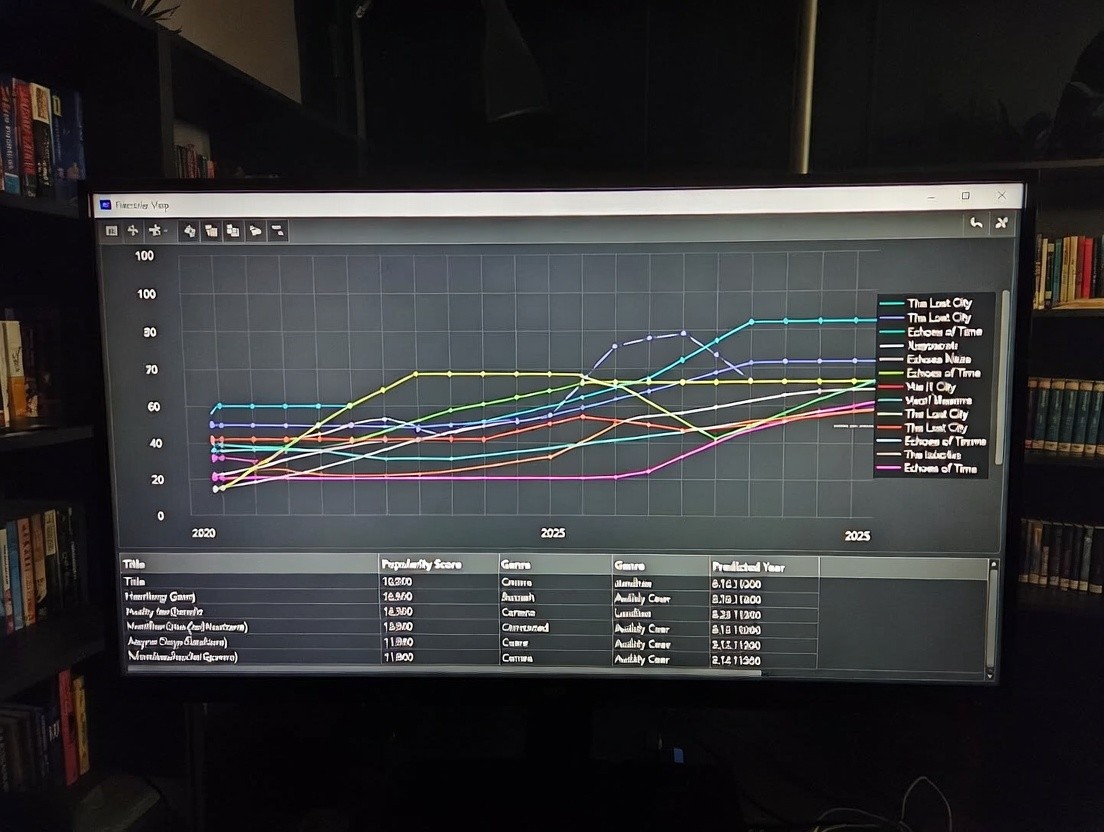
The Uncertainty of Book Publishing
The publishing industry has always faced a difficult challenge: predicting which books will become successful and which will fail to attract readers. Even experienced editors and publishers cannot always accurately forecast the popularity of a manuscript. Many bestselling books were initially rejected by multiple publishers, while some highly anticipated releases failed to meet expectations.
This uncertainty has encouraged researchers and technology companies to explore new analytical tools that can evaluate manuscripts more objectively. One of the most promising developments is the use of neural networks to analyze books before they are published. These systems can examine language patterns, narrative structure, and thematic elements to estimate how readers might respond to a story.
By combining data science with literary analysis, artificial intelligence is beginning to play a role in forecasting book success.
How Neural Networks Analyze Manuscripts
A neural network designed to predict book popularity is trained on large collections of previously published works. These datasets include bestselling novels, moderately successful titles, and books that did not gain much attention. By comparing linguistic and structural features across these categories, the algorithm learns to identify patterns associated with successful publications.
The system processes manuscripts digitally and evaluates multiple elements simultaneously. Instead of simply counting word frequencies, it examines deeper characteristics such as storytelling style, pacing, emotional tone, and dialogue structure.
Key Features Analyzed by the Algorithm
- Vocabulary diversity and language complexity
- Narrative pacing and chapter structure
- Emotional intensity and sentiment patterns
- Character development and dialogue balance
- Thematic relevance to current reader interests
These features help the neural network estimate whether a manuscript has characteristics commonly found in popular books.
Training the Artificial Intelligence Model
To create reliable predictions, researchers train neural networks using large amounts of historical publishing data. The training process involves feeding the algorithm thousands of books along with information about their commercial performance.
Machine learning techniques allow the system to gradually improve its predictions as it processes more examples. Over time, the algorithm becomes capable of identifying subtle patterns that correlate with reader engagement.
Data Sources Used in Training
- Digital text archives of published books
- Sales statistics and bestseller rankings
- Reader reviews and ratings
- Genre classifications and marketing data
- Publication timelines and market trends
By analyzing these datasets together, the neural network learns how certain writing styles and themes perform in different literary markets.
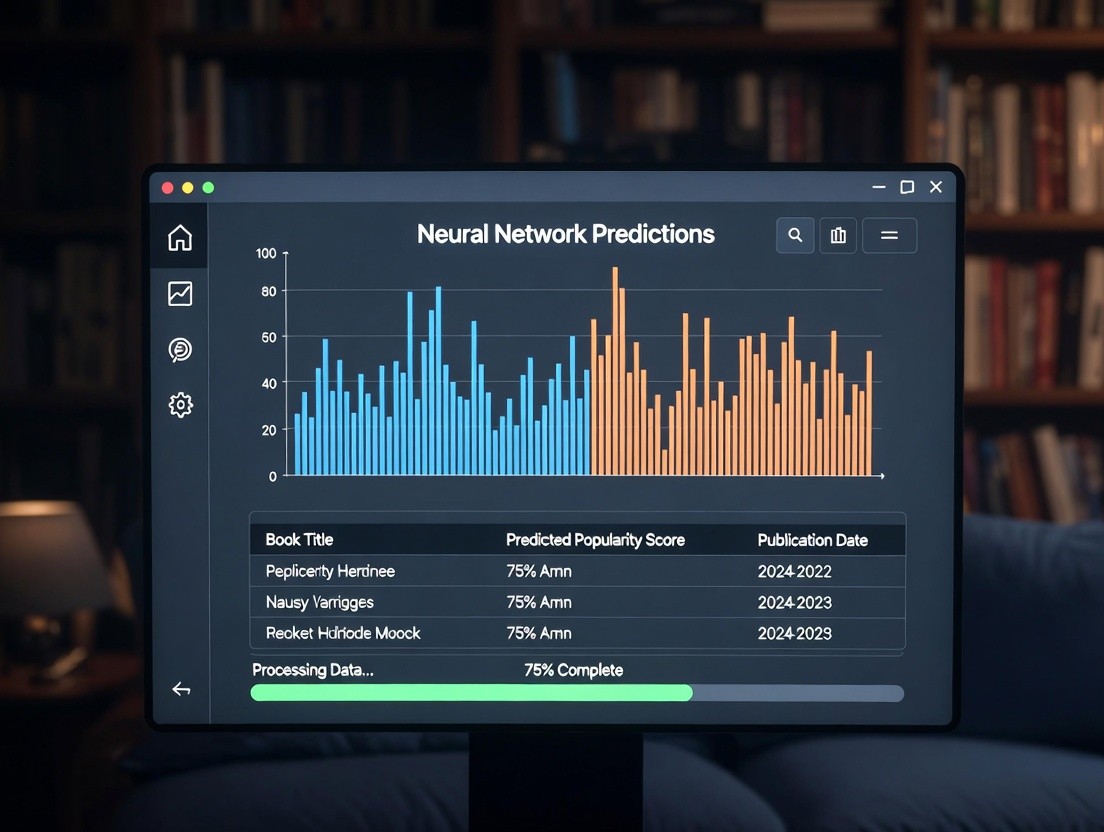
Potential Benefits for Authors and Publishers
AI-based manuscript analysis could offer several advantages for both authors and publishing companies. For publishers, the technology provides an additional tool to evaluate large numbers of submissions more efficiently. Instead of relying entirely on human intuition, editors can combine traditional expertise with algorithmic insights.
Authors may also benefit from feedback generated by AI systems. Some platforms provide detailed reports that highlight strengths and weaknesses in a manuscript. These insights may help writers improve pacing, clarity, or narrative structure before submitting their work.
- Faster evaluation of manuscript submissions
- Data-driven insights for publishing decisions
- Feedback for authors during the writing process
- Identification of emerging literary trends
- Improved marketing strategies for new books
These advantages may help reduce financial risks in an industry where predicting success has always been difficult.
Limitations of Algorithmic Predictions
Despite its capabilities, artificial intelligence cannot fully predict how readers will respond to a book. Literary success depends on many unpredictable factors such as cultural trends, marketing campaigns, and public discussion. Some books become popular because they introduce completely new ideas that no algorithm could anticipate.
Creative writing also involves emotional depth, originality, and artistic expression that are difficult to quantify mathematically. As a result, AI predictions should be considered advisory rather than definitive.
Many publishers view neural networks as supportive tools rather than replacements for human editors and literary experts.
The Future of AI in Publishing
The use of artificial intelligence in the publishing industry is still evolving. Future systems may analyze not only the text of manuscripts but also reader preferences in real time. Online reading platforms already collect large amounts of data about how people interact with digital books.
By combining manuscript analysis with reader behavior data, future AI systems may generate even more accurate predictions about potential bestsellers. Some platforms may even suggest plot improvements, alternative endings, or new marketing strategies based on audience preferences.
Although the creative process will always remain a human endeavor, neural networks are becoming valuable tools for understanding patterns in literature. By analyzing manuscripts before publication, AI may help publishers identify promising works while giving authors new ways to refine their stories.