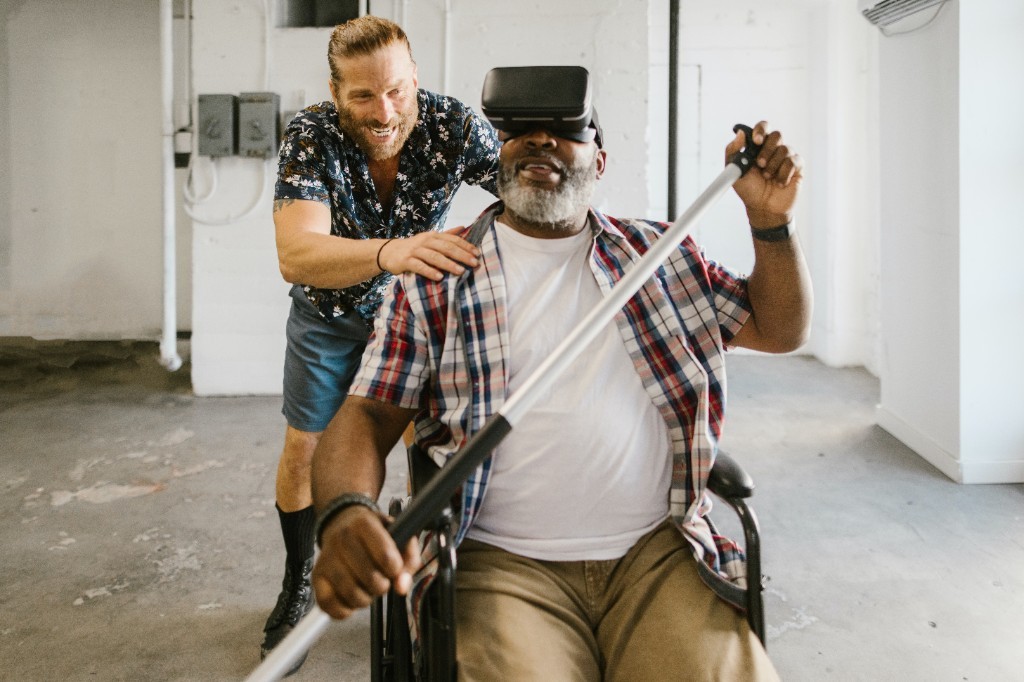

In recent years, there has been a significant advancement in the field of Artificial Intelligence (AI) and Augmented Reality (AR). These technologies have become increasingly popular and have the potential to enhance virtual experiences in various fields such as gaming, education, healthcare, and...
Neural Networks Restore Lost Pages of Ancient Manuscripts
981
07.02.2026
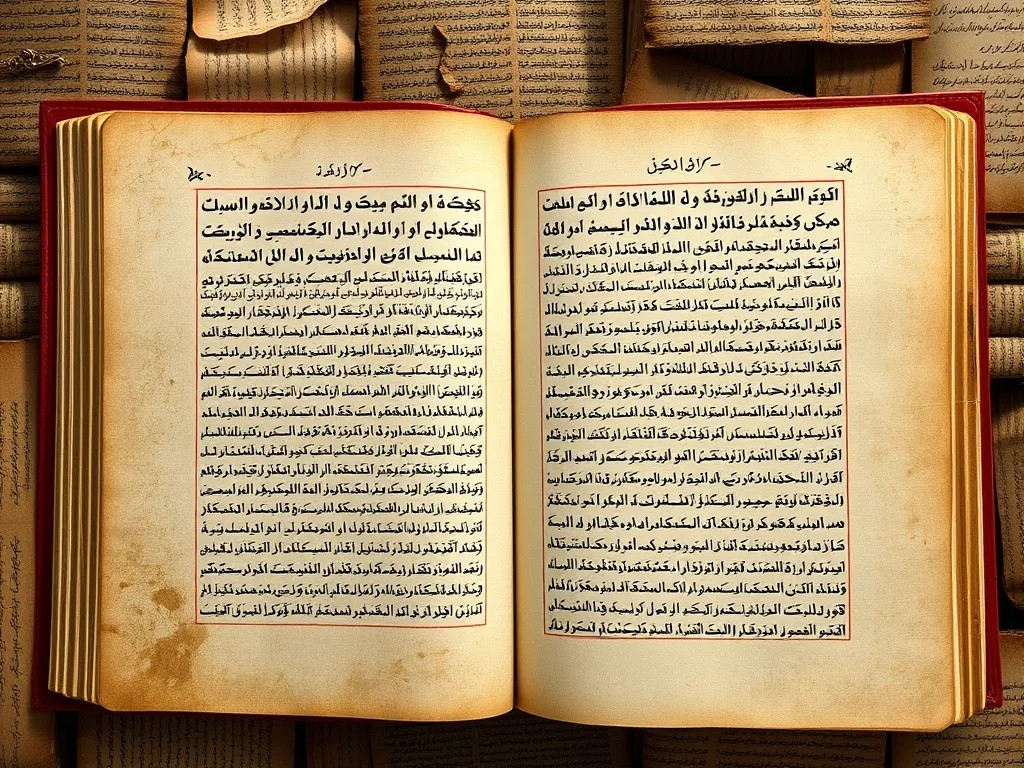
Throughout history, countless manuscripts have been damaged, destroyed, or lost to time. Wars, natural disasters, and simple decay have erased irreplaceable knowledge from human memory. Now, neural networks are accomplishing what seemed impossible: reconstructing lost pages and filling gaps in ancient texts that scholars have puzzled over for generations.
The Challenge of Manuscript Restoration
Ancient manuscripts face numerous threats to their survival. Fire and water damage destroy pages entirely. Insects consume parchment and paper. Chemical reactions fade ink until text becomes illegible. Even careful handling over centuries causes wear that obscures critical passages.
Traditional restoration efforts rely on physical conservation techniques and scholarly interpretation. While experts can often determine what damaged text might have said based on context, true gaps in the historical record have remained frustratingly permanent. Neural networks are changing this reality.
How AI Manuscript Restoration Works
Training on Historical Texts
Neural networks learn to restore manuscripts by studying vast collections of intact historical documents. The training process involves:
- Analysis of writing styles, vocabulary, and grammar from specific periods
- Recognition of individual scribes' handwriting patterns
- Understanding of document structures and formatting conventions
- Learning linguistic patterns unique to different languages and dialects
- Mapping relationships between visual elements and textual meaning
Prediction and Reconstruction
Once trained, neural networks can examine damaged documents and predict missing content. The AI analyzes surrounding text, considering vocabulary, syntax, and thematic elements to generate probable reconstructions. Sophisticated systems provide multiple possible interpretations ranked by likelihood, acknowledging the inherent uncertainty in restoration work.
Breakthrough Applications and Discoveries
Carbonized Scrolls from Ancient Libraries
Some of the most dramatic applications involve scrolls damaged by volcanic eruptions. Ancient scrolls carbonized by heat cannot be unrolled without destroying them completely. AI systems analyze microscopic surface variations to detect traces of ink on the charred surface, effectively reading scrolls that have been sealed for nearly two thousand years.
Medieval Palimpsests
Medieval scribes sometimes scraped old text from parchment to reuse the writing surface. These palimpsests preserve ghostly traces of earlier documents beneath newer text. Neural networks trained on multispectral imaging data can separate these layers, recovering erased works that were thought lost forever.
Fragmentary Historical Records
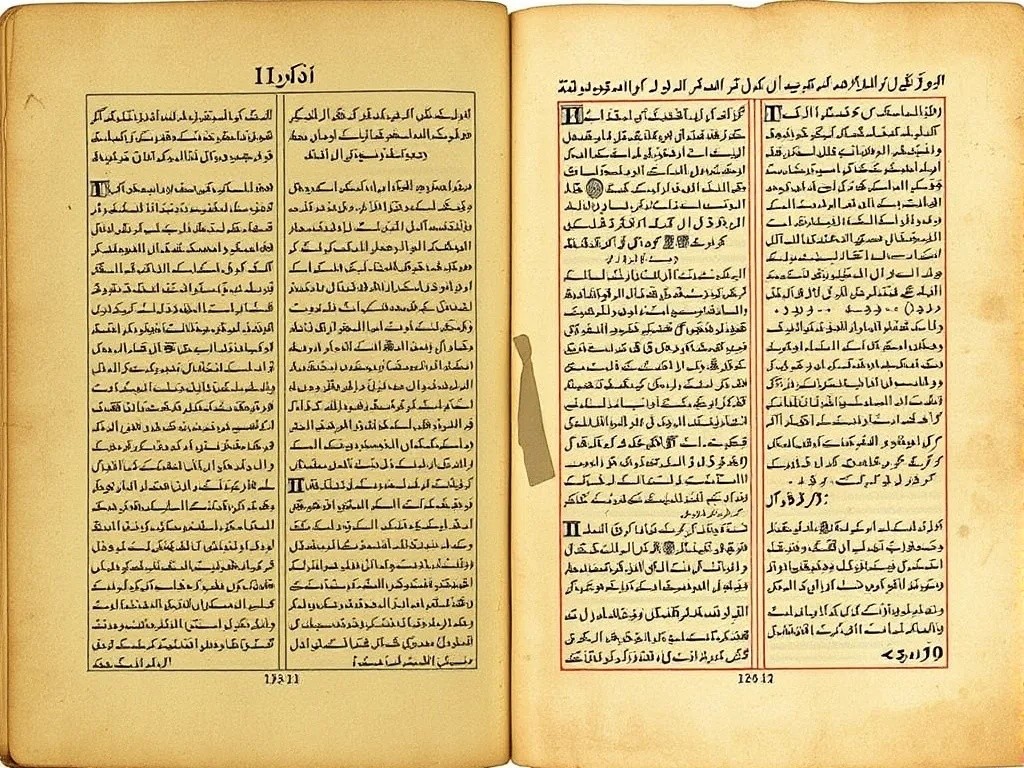
Many historical documents survive only as fragments. AI systems can suggest how these pieces fit together and predict content in missing sections based on patterns observed in similar complete documents from the same period and region.
Technical Approaches and Methods
Computer Vision Integration
Restoration AI combines natural language processing with advanced computer vision. Systems analyze not just text but also illustrations, marginalia, and physical characteristics of writing materials. This holistic approach provides crucial context for accurate reconstruction.
Collaborative Human-AI Workflows
The most successful restoration projects combine AI capabilities with human expertise. Neural networks generate reconstruction candidates, which scholars then evaluate based on historical knowledge, cultural context, and linguistic expertise. This collaboration produces results neither could achieve independently.
Implications for Historical Research
Expanding the Historical Record
Every recovered text expands our understanding of the past. Restored manuscripts reveal details about daily life, political events, scientific knowledge, and cultural practices that would otherwise remain unknown. AI restoration is literally adding new pages to human history.
Challenging Previous Interpretations
Sometimes AI reconstructions challenge long-standing scholarly interpretations. When neural networks suggest unexpected text in damaged passages, historians must reconsider assumptions that may have guided research for decades. This process, while occasionally uncomfortable, advances historical accuracy.
Ethical Considerations and Limitations
Accuracy and Uncertainty
AI-generated reconstructions are probabilistic estimates, not certainties. Responsible use requires clear communication about confidence levels and alternative interpretations. Scholars must resist the temptation to treat AI suggestions as definitive truth.
Preservation of Original Evidence
Digital restoration should supplement, never replace, physical conservation efforts. The original manuscripts retain evidential value that reconstructions cannot replicate. Preservation of surviving materials remains essential even as AI expands our ability to interpret them.
Future Developments
Researchers continue improving restoration technologies. Future systems may incorporate archaeological context, cross-referencing manuscripts with other historical evidence to improve reconstruction accuracy. Integration with translation AI could make restored texts immediately accessible in modern languages.
As training datasets grow and algorithms improve, neural networks will tackle increasingly challenging restoration projects. Texts currently considered permanently lost may yet speak to future generations.
Conclusion
Neural network restoration of ancient manuscripts represents one of the most exciting applications of artificial intelligence in humanities research. By recovering lost knowledge and filling gaps in the historical record, this technology connects us more deeply with our collective past. Every reconstructed page is a window reopened on human experience, reminding us that technological innovation can serve not only our future but also our understanding of history itself.