In recent years, there has been a significant advancement in the field of Artificial Intelligence (AI) and Augmented Reality (AR). These technologies have become increasingly popular and have the potential to enhance virtual experiences in various fields such as gaming, education, healthcare, and...
Pocket Weather Predictor Warns About Rain Before Clouds Appear
560
29.12.2025
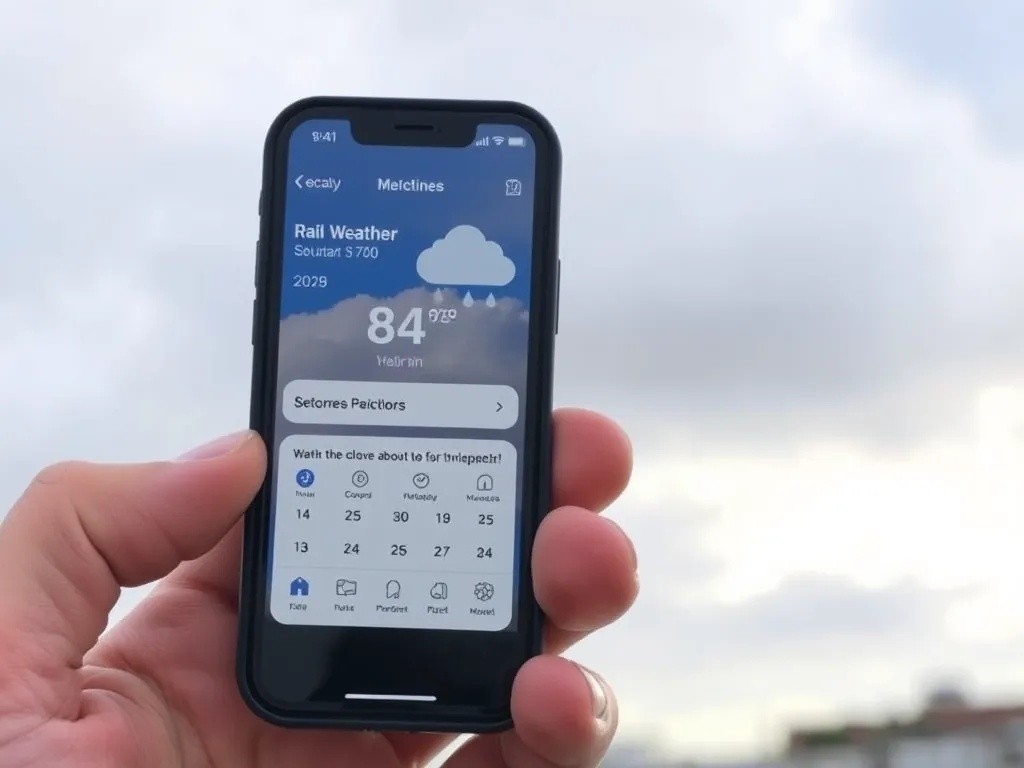
Traditional weather forecasts provide general predictions for broad geographic areas, often leaving people surprised by sudden downpours or conditions that differ from expectations. A revolutionary pocket-sized weather device now offers hyperlocal predictions hours before rain arrives, often detecting approaching weather systems before clouds are visible in the sky. This technology combines miniaturized atmospheric sensors, artificial intelligence, and real-time data networks to deliver unprecedented accuracy for immediate weather conditions, transforming how people plan outdoor activities and daily schedules.
How Pocket Weather Predictors Work
The device is small enough to attach to a keychain or slip into a pocket, yet contains sophisticated sensors that continuously monitor atmospheric conditions. Unlike smartphone weather apps that simply display forecast data from distant weather stations, this device actively measures the air directly around the user and analyzes changes that indicate incoming weather.
Critical Atmospheric Measurements
The predictor monitors several key indicators simultaneously:
- Barometric pressure changes that signal approaching weather systems
- Temperature fluctuations indicating air mass movements
- Humidity levels and dew point calculations
- Wind patterns detected through sensitive pressure variations
- Electromagnetic activity associated with storm development
Detecting Pressure Changes
Falling barometric pressure is one of the most reliable indicators of approaching rain. The pocket device contains highly sensitive barometric sensors that detect pressure drops of less than one millibar per hour, changes too subtle for humans to perceive but significant in weather prediction. A sustained pressure drop typically precedes rainfall by two to six hours, giving users substantial advance warning. The device distinguishes between minor fluctuations and meaningful trends by analyzing the rate and pattern of pressure change rather than absolute values.
Artificial Intelligence Analysis
Raw sensor data alone provides limited predictive value without sophisticated interpretation. The device uses artificial intelligence trained on millions of weather patterns to analyze current conditions and predict outcomes with remarkable accuracy. The AI recognizes complex patterns that indicate specific weather developments, including the likelihood of light drizzle versus heavy downpour, brief showers versus extended rain, and even the probability of thunderstorms.
Machine Learning Improvements
The prediction algorithm continuously improves through machine learning. Each device uploads anonymized data to a central network, allowing the system to learn from actual weather outcomes across thousands of locations. When the device predicts rain and measures whether that prediction proved accurate, this feedback refines future predictions. Over time, the system becomes increasingly precise for specific geographic areas, learning local weather patterns and microclimates that affect different neighborhoods or regions uniquely.
Network Effects and Data Sharing
Individual pocket predictors become more powerful through network connectivity. When thousands of devices operate in the same region, they create a dense network of weather monitoring stations that provides extraordinary detail about weather system movements. This distributed sensor network detects weather fronts as they move across landscapes, allowing devices in the path to provide even earlier warnings based on observations from nearby predictors.
The system identifies hyperlocal phenomena that affect weather in surprisingly small areas. Urban heat islands, proximity to water bodies, elevation changes, and local terrain features all influence when and how much rain falls in specific locations. The network learns these patterns, providing predictions customized to each user's precise location rather than city-wide generalizations.
Practical Applications
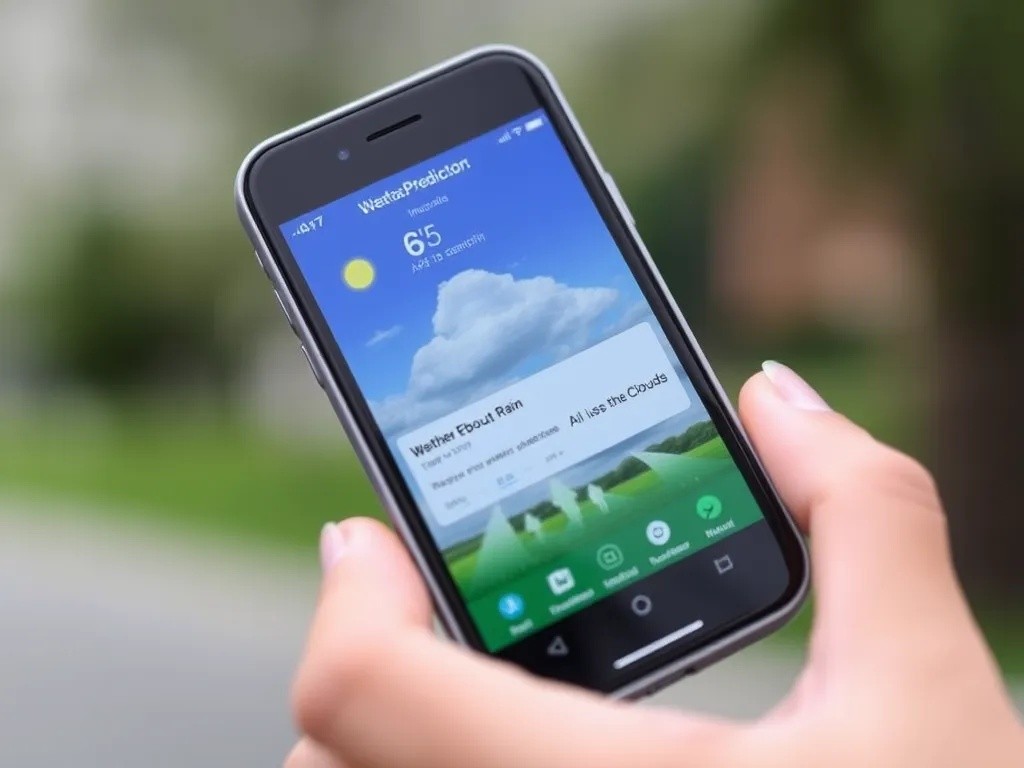
The immediate utility of rain predictions shows up in countless daily situations. Outdoor workers receive warnings before weather threatens job sites, allowing them to secure equipment or reschedule sensitive tasks. Parents know whether children need rain gear before leaving for school. Cyclists and runners can confidently start workouts knowing they have time before rain arrives. Event planners gain confidence about outdoor gatherings.
Agriculture and Gardening
Farmers and gardeners benefit substantially from advance rain warnings. Knowing rain approaches in three hours allows time to complete harvesting of sensitive crops, move equipment under cover, or postpone irrigation to avoid water waste. Home gardeners can decide whether to water plants or wait for natural rainfall, conserving resources while maintaining healthy landscapes.
Photography and Outdoor Recreation
Landscape photographers use the devices to anticipate dramatic weather-related lighting conditions. Knowing a storm approaches allows positioning for spectacular pre-storm light or rainbow opportunities. Hikers receive warnings giving them time to reach shelter or decide whether to postpone treks. Kayakers and boaters gain critical safety information about approaching weather that might create dangerous conditions.
Advantages Over Traditional Forecasts
Standard weather forecasts are generated by supercomputers analyzing data from weather stations, satellites, and radar systems. While these forecasts excel at predicting general trends and major storm systems, they struggle with precise timing and location for specific users. A forecast calling for forty percent chance of rain in a city tells residents little about whether their specific neighborhood will experience precipitation or when it might arrive.
The pocket predictor focuses on the immediate microenvironment where the user actually exists. It answers the practical question of whether rain will affect this specific location in the next few hours, rather than providing probabilities for broad regions. This specificity makes predictions actionable for daily decision-making.
Limitations and Considerations
The technology works best for predicting weather changes within a two to six hour window. It cannot provide reliable multi-day forecasts like traditional meteorological services. The device focuses on what traditional forecasters call "nowcasting," predicting immediate local conditions rather than long-term patterns.
Accuracy depends partly on weather type. Gradual frontal systems moving at steady speeds produce highly reliable predictions. Rapidly developing convective storms or highly localized rain cells present greater challenges. The system provides probability estimates reflecting prediction confidence, allowing users to gauge reliability for planning purposes.
Battery Life and Maintenance
The devices require minimal maintenance beyond occasional charging. Most models offer several weeks of battery life through efficient sensor operation and wireless connectivity. The sensors are sealed against moisture and designed for durability, functioning accurately across temperature ranges from freezing to hot summer conditions.
Future Developments
Ongoing research focuses on expanding prediction capabilities beyond rain to include other weather phenomena. Future versions may predict temperature changes, wind speed shifts, air quality variations, and even pollen levels for allergy sufferers. Integration with smart home systems could trigger automated responses like closing windows or adjusting irrigation schedules based on predicted weather.
The pocket weather predictor demonstrates how miniaturization and artificial intelligence enable personal environmental monitoring that was impossible just years ago. By providing accurate, hyperlocal rain predictions before obvious signs appear, these devices help people make better decisions and avoid weather-related inconveniences and disruptions.