

In recent years, there has been a significant advancement in the field of Artificial Intelligence (AI) and Augmented Reality (AR). These technologies have become increasingly popular and have the potential to enhance virtual experiences in various fields such as gaming, education, healthcare, and...
Program Helps Tourists Avoid Places with Long Queues
858
28.03.2026
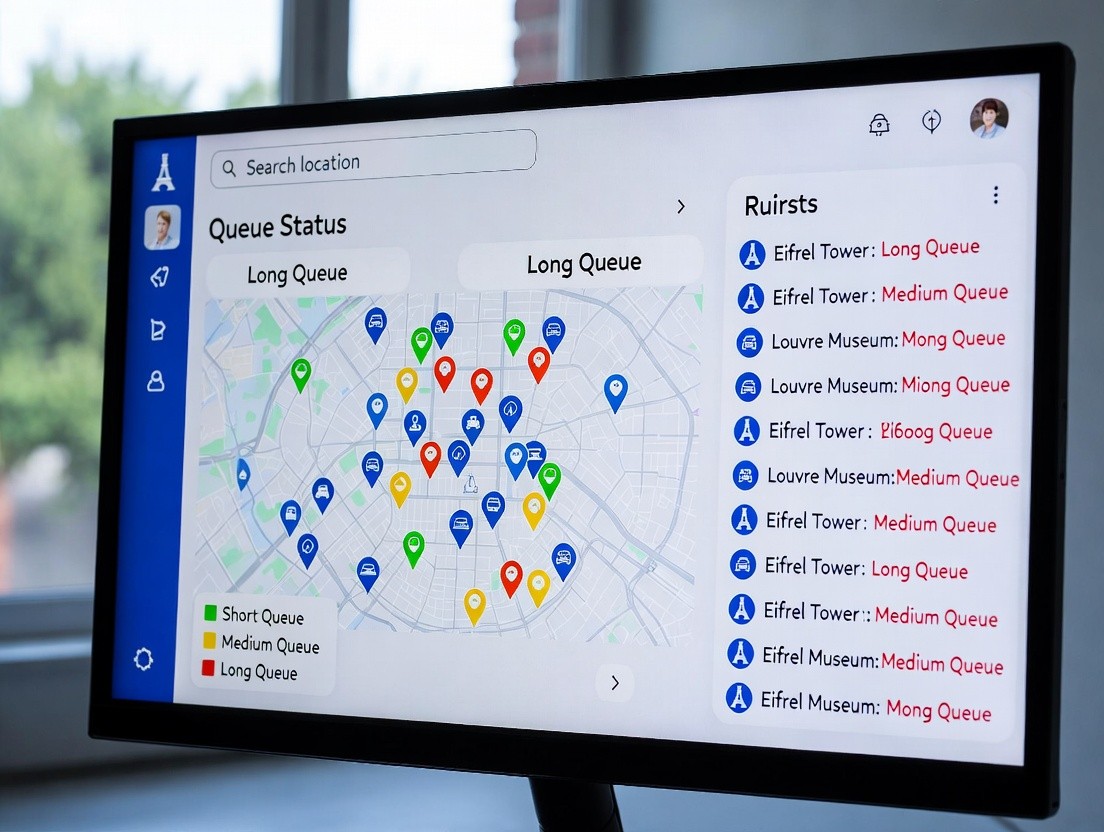
The Problem of Crowded Tourist Attractions
Tourism has grown significantly over the past decades, with millions of people visiting famous landmarks, museums, and historical sites every year. While these destinations offer unique cultural and historical experiences, they often attract large crowds. Long lines at ticket offices, security checkpoints, and popular viewpoints can turn an exciting trip into a frustrating experience.
Standing in queues for hours not only wastes valuable travel time but also reduces the opportunity to explore other attractions. Many tourists travel long distances and have limited schedules, so spending a large portion of the day waiting in line can be disappointing.
To address this issue, developers have created intelligent travel programs that analyze data about crowd levels and help tourists plan their visits more efficiently.
How the Program Predicts Crowds
The travel program uses artificial intelligence and real-time data analysis to estimate how crowded a location is likely to be at different times of the day. The system gathers information from multiple sources, including mobile device location data, ticket booking systems, traffic conditions, and historical visitor statistics.
Machine learning algorithms analyze these datasets to predict visitor flows and identify patterns in tourist behavior. By understanding when people usually arrive at certain attractions, the program can suggest the best times to visit.
Main Data Sources Used by the Program
- Historical visitor attendance records
- Real-time mobile location data
- Online ticket sales information
- Public transportation usage statistics
- Weather conditions and seasonal trends
Combining these data sources allows the system to estimate crowd levels with high accuracy.
Real-Time Crowd Monitoring
In addition to predictions based on historical data, the program can also monitor crowd levels in real time. Sensors, cameras, and mobile devices provide continuous information about how many people are currently present at popular attractions.
This real-time monitoring allows the application to update recommendations instantly. If a location suddenly becomes crowded, the system may suggest alternative places nearby that are less busy.
Tourists can view crowd indicators directly on a digital map, making it easier to choose destinations that match their preferences.
Features of Real-Time Monitoring
- Live crowd level indicators
- Estimated waiting times at attractions
- Notifications when queues increase
- Alternative attraction suggestions
- Interactive maps showing visitor density
These tools help travelers make quick decisions while exploring unfamiliar cities.
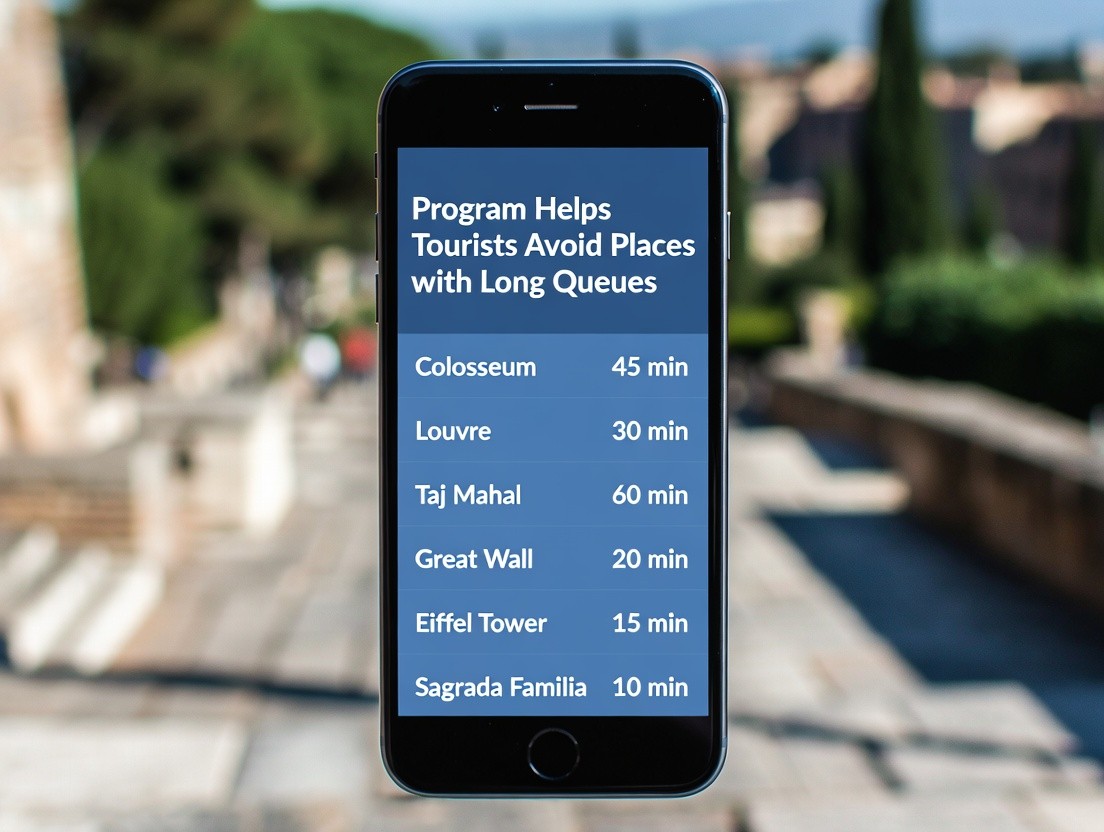
Personalized Travel Recommendations
One of the most useful features of the program is its ability to provide personalized travel suggestions. Each tourist has different interests and schedules. Some people prefer to visit museums early in the morning, while others enjoy exploring attractions in the evening.
The program allows users to enter their travel preferences, including preferred visiting hours, types of attractions, and available time. Artificial intelligence then creates a customized itinerary that minimizes waiting times while maximizing sightseeing opportunities.
- Optimized sightseeing schedules
- Suggestions for less crowded viewpoints
- Recommendations for nearby attractions
- Flexible itinerary adjustments
- Integration with navigation tools
By adapting recommendations to individual preferences, the system helps travelers enjoy a more relaxed and efficient travel experience.
Benefits for Tourists and Cities
Programs designed to manage tourist crowds offer benefits not only for travelers but also for cities and local communities. When visitors are distributed more evenly across different locations and times, popular attractions experience less congestion.
This balanced distribution helps preserve historical sites and reduces pressure on infrastructure such as transportation systems and public spaces.
Local businesses may also benefit when tourists explore lesser-known areas instead of concentrating only on a few famous landmarks.
The Future of Smart Tourism
As travel technology continues to evolve, smart tourism tools are expected to become even more advanced. Future programs may use additional data sources such as satellite imagery, smart city sensors, and augmented reality guides.
Artificial intelligence could eventually predict crowd levels weeks in advance and help travelers choose the best days to visit certain destinations. Integration with booking platforms may also allow tourists to automatically reserve tickets during the least crowded time slots.
Smart tourism technologies aim to improve travel experiences while protecting popular destinations from overcrowding. By helping tourists avoid long queues and discover alternative attractions, these intelligent programs make it possible to explore cities more comfortably and efficiently.