

In recent years, there has been a significant advancement in the field of Artificial Intelligence (AI) and Augmented Reality (AR). These technologies have become increasingly popular and have the potential to enhance virtual experiences in various fields such as gaming, education, healthcare, and...
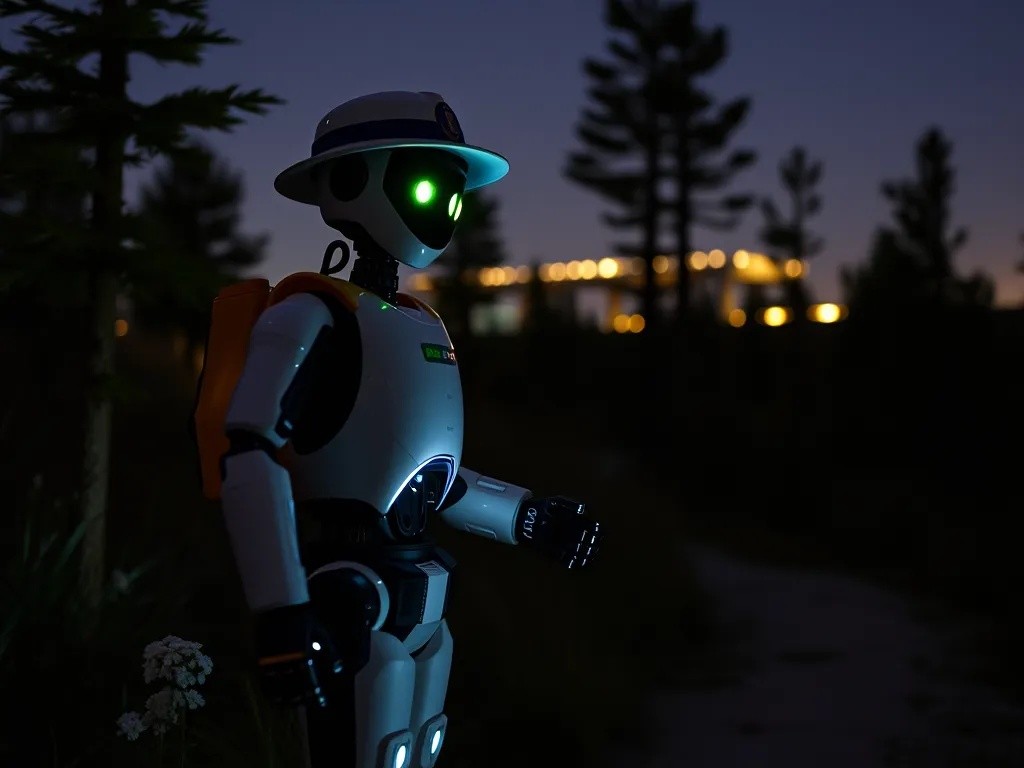
Robot Park Ranger Keeps Hiking Trails Safe At Night
549
27.12.2025

Introduction to Robotic Trail Security
National parks and wilderness areas face significant challenges protecting visitors and natural resources, especially during nighttime hours when human ranger staffing becomes impractical. Autonomous robot rangers equipped with advanced sensors and artificial intelligence are transforming wilderness safety by providing continuous monitoring and rapid emergency response regardless of time or weather conditions. These mechanical guardians patrol hiking trails, detect potential hazards, assist lost hikers, and monitor wildlife activity, effectively extending protective coverage to areas and times previously difficult to supervise.
Design and Technical Capabilities
Robot park rangers combine rugged construction with sophisticated sensing and navigation technology designed specifically for challenging outdoor environments. These machines must withstand extreme temperatures, rain, snow, and rough terrain while maintaining operational reliability over extended periods.
Physical Construction and Mobility
Most robot rangers utilize wheeled or tracked locomotion systems that balance stability with terrain capability. All-terrain wheels with independent suspension allow navigation over rocks, roots, and uneven ground. Some advanced models incorporate hybrid systems with retractable legs for climbing steep inclines or stairs on mountain trails.
Waterproof construction protects sensitive electronics from rain and stream crossings. Durable exterior materials resist scratches from vegetation and minor impacts with obstacles. Battery systems provide 12-24 hours of continuous operation, with solar panels extending autonomous operation during daytime patrols.
Sensor Suite and Detection Systems
Robot rangers employ comprehensive sensor arrays that provide 360-degree environmental awareness:
- Thermal imaging cameras detect human body heat and wildlife from long distances
- High-resolution optical cameras capture visual information in various lighting conditions
- LiDAR systems create detailed 3D maps of surroundings for precise navigation
- Acoustic sensors identify calls for help or unusual sounds indicating distress
- Air quality monitors detect smoke from illegal campfires or wildfires
- Weather sensors track temperature, humidity, and storm conditions
Advanced AI processes sensor data continuously, distinguishing between normal wildlife activity and situations requiring intervention. Machine learning algorithms trained on thousands of hours of wilderness footage enable accurate identification of humans, animals, and potential hazards.
Primary Functions and Patrol Duties
Robot rangers perform diverse tasks that enhance visitor safety and protect natural resources. Regular patrol routes cover miles of trails each night, checking for stranded hikers, illegal camping, or hazardous conditions that developed after human rangers completed daytime inspections.
Emergency Detection and Response
When thermal cameras detect human signatures in unexpected locations after dark, robots investigate to determine whether people need assistance. The AI system analyzes movement patterns and thermal signatures to assess whether individuals appear injured, lost, or in distress. If help appears necessary, robots can communicate directly with people through speakers and microphones, providing directions back to trailheads or summoning human rangers for evacuation.
The robots carry emergency supplies including first aid kits, emergency blankets, water, and communication devices. In serious medical emergencies, they serve as mobile communication relays, ensuring 911 dispatchers receive accurate location data even in areas without cellular coverage.
Hazard Identification and Prevention
Regular patrols identify developing hazards before they endanger visitors. Fallen trees blocking trails, damaged bridges, or washed-out paths are documented with precise GPS coordinates and photographic evidence. This information reaches maintenance crews quickly, enabling rapid repairs.
Smoke detection capabilities provide early wildfire warnings. Upon detecting smoke, robots investigate sources, distinguish between permitted campfires and illegal burning, and alert authorities to potential fire threats. This early detection has proven crucial in preventing small violations from escalating into dangerous wildfires.
Wildlife Monitoring and Conservation
Beyond human safety, robot rangers contribute significantly to wildlife research and protection. Thermal imaging and quiet electric operation enable observation of nocturnal animals without disturbing natural behaviors. This provides researchers with valuable data about animal populations, movement patterns, and habitat usage.
Preventing Human-Wildlife Conflicts
Robot patrols help prevent dangerous encounters between humans and wildlife. When detecting humans camping in areas frequented by bears or mountain lions, robots can warn campers to relocate to safer areas. Conversely, when approaching wildlife that wandered near popular campsites, robots can encourage animals to return to deeper wilderness areas, reducing conflict potential.
Advantages Over Traditional Patrol Methods
Robot rangers complement rather than replace human rangers, providing capabilities that enhance overall park management. Their tireless operation eliminates fatigue-related oversights during overnight shifts. Consistent patrol schedules ensure complete trail coverage, whereas human rangers must prioritize specific areas due to time and staffing constraints.
Dangerous situations that might risk human ranger safety can be handled more safely by robots. Investigating suspicious activity in remote areas, checking conditions during severe weather, or monitoring areas with dangerous wildlife becomes less risky when robots perform initial assessment.
Challenges and Limitations
Despite impressive capabilities, robot rangers face significant limitations. Extremely steep terrain, dense vegetation, and technical climbing sections remain inaccessible to current designs. Heavy snowfall can immobilize wheeled robots until tracks are cleared. Complex social situations requiring nuanced judgment exceed current AI capabilities, necessitating human ranger intervention.
Visitor Acceptance and Interaction
Some park visitors find robot rangers unsettling or believe they detract from wilderness experiences. Park services address these concerns through thoughtful implementation, limiting robot visibility during peak visitation hours and emphasizing their role in enhancing safety rather than surveillance. Educational programs help visitors understand how robots enable better resource protection and emergency response.
Future Developments and Expansion
Ongoing technological improvements promise more capable robot rangers. Advanced battery technology will extend operational range. Improved AI will enable more sophisticated decision-making in complex situations. Enhanced mobility systems will access increasingly difficult terrain.
Future fleets may include specialized robots optimized for specific tasks: lightweight drones for rapid aerial searches, aquatic robots for lake and river monitoring, and climbing robots for cliff and canyon patrols. Coordinated multi-robot teams will provide comprehensive coverage of large wilderness areas.
Conclusion
Robot park rangers represent a significant advancement in wilderness management and visitor safety. By providing tireless nighttime patrols, rapid emergency response, and continuous hazard monitoring, these autonomous systems enhance protection for both park visitors and natural resources. While technology cannot fully replace human rangers' experience and judgment, robot assistants substantially extend protective capabilities, ensuring safer outdoor experiences and better conservation of precious wilderness areas.