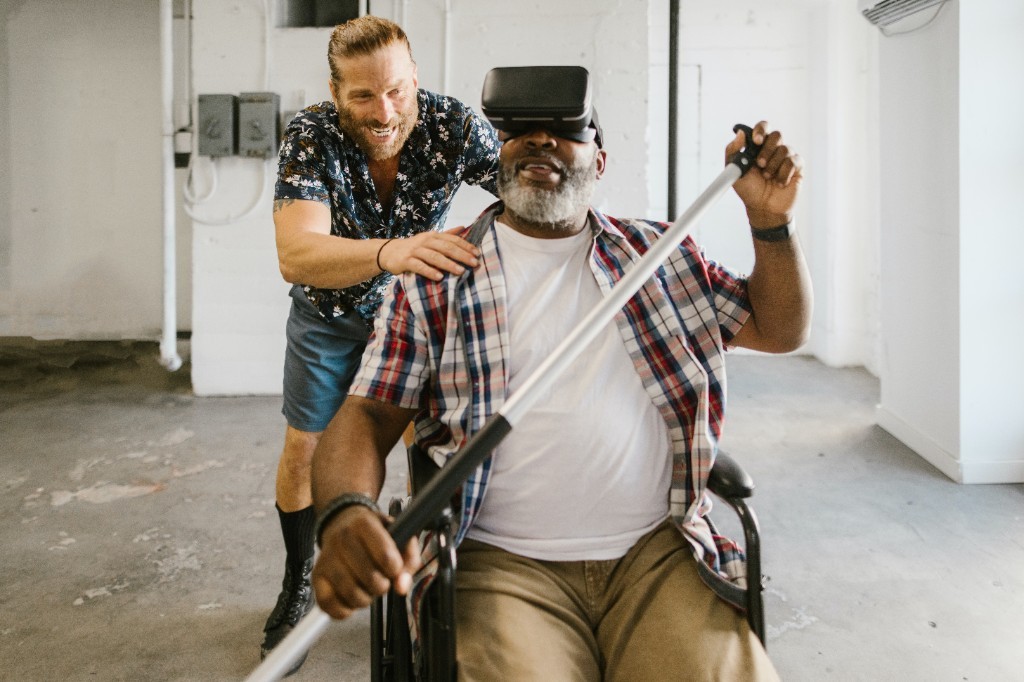

In recent years, there has been a significant advancement in the field of Artificial Intelligence (AI) and Augmented Reality (AR). These technologies have become increasingly popular and have the potential to enhance virtual experiences in various fields such as gaming, education, healthcare, and...
Robot Reader Makes Books Come Alive With Different Character Voices
554
30.12.2025
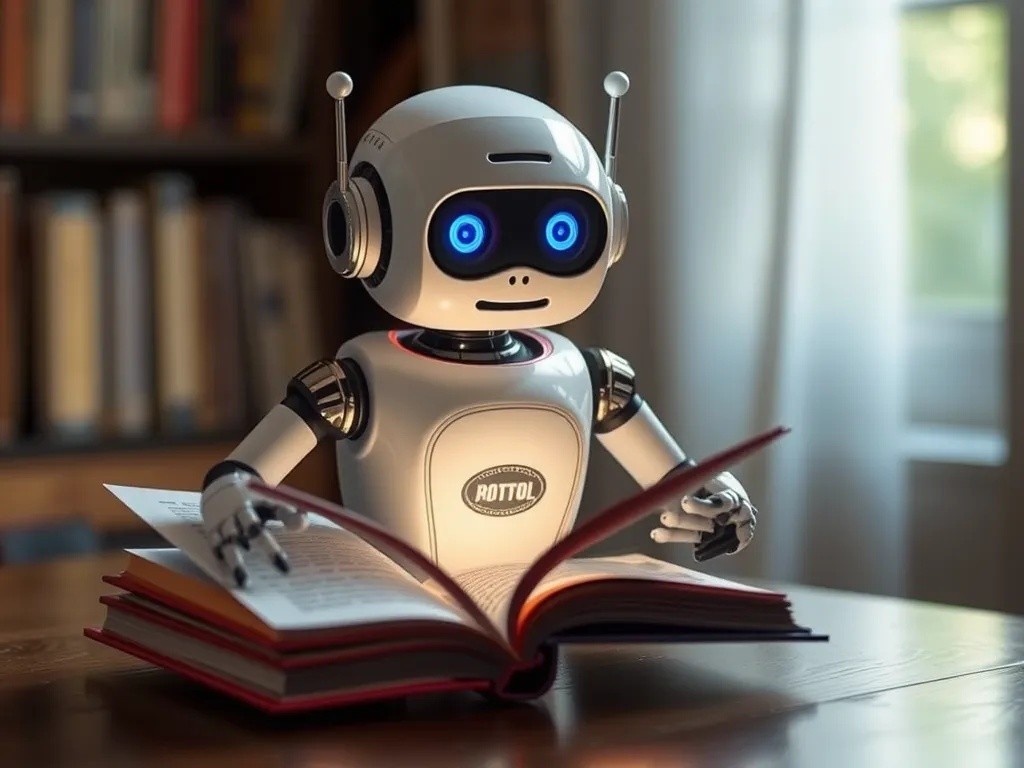
Introduction to AI-Powered Storytelling
Traditional audiobooks typically feature a single narrator who may alter their voice slightly for different characters, but technological limitations have historically prevented truly distinct character voices. Robot readers powered by advanced artificial intelligence revolutionize audio storytelling by generating unique, expressive voices for every character, transforming written text into immersive theatrical experiences. These systems analyze narrative context, character traits, and emotional content to deliver performances that rival professional voice actor ensembles.
Beyond entertainment, robot readers serve crucial accessibility functions, helping visually impaired individuals, dyslexic readers, and language learners engage with written content more effectively. By making books more engaging and accessible, AI reading technology expands literacy and literary appreciation across diverse populations.
Technology Behind Robot Reading Systems
Natural Language Understanding
Robot readers begin by analyzing text through sophisticated natural language processing algorithms. The AI identifies characters, dialogue attribution, narrative passages, and emotional context. Machine learning models trained on millions of books recognize character relationships, personality traits, and emotional arcs that inform voice characteristics and performance choices.
The system parses sentence structure, punctuation, and contextual clues to determine appropriate pacing, emphasis, and tonal qualities. This analysis happens in real-time, allowing the AI to adapt its reading dynamically as the story unfolds.
Voice Synthesis and Character Creation
Advanced text-to-speech engines generate distinct voices for each character based on textual descriptions and behavioral patterns. A described elderly wizard might receive a deep, gravelly voice with measured pacing, while a young protagonist gets a lighter, energetic tone. The AI considers gender, age, personality traits, social status, and emotional states when crafting character voices.
Modern synthesis technology produces remarkably natural-sounding speech, avoiding the robotic monotone of earlier systems. Neural network-based voice generation captures subtle vocal characteristics like breathiness, warmth, and timbre variations that make characters sound genuinely human.
Emotional Expression Engine
The AI doesn't simply read words; it performs them with appropriate emotional inflection. Sentiment analysis algorithms detect joy, sadness, anger, fear, and complex emotional states, adjusting vocal delivery accordingly. Characters sound excited during action sequences, somber during tragic moments, and playful during light-hearted exchanges.
Applications and Use Cases
Enhanced Audiobook Production
Publishing companies increasingly use robot readers to produce affordable audiobooks with premium voice acting quality. Traditional audiobook production with multiple voice actors costs thousands of dollars per title. AI systems generate multi-voice performances at fraction of the cost, making audiobook production viable for smaller publishers and independent authors.
Some platforms now offer customizable listening experiences where users can select voice characteristics for main characters, personalizing their audiobook experience. Readers might choose to hear a favorite character with a particular accent or tone matching their imagination of the character.
Reading Assistance for Children
Educational applications use robot readers to make children's books more engaging. Young readers follow along visually while the AI reads aloud with character voices and appropriate pacing. This multi-sensory approach improves comprehension and maintains attention better than monotone reading. The technology helps struggling readers by modeling proper pronunciation and fluency while keeping them engaged through entertaining character performances.
Accessibility Support
Visually impaired individuals benefit enormously from robot readers that transform any digital text into engaging audio. Unlike basic screen readers, character-voice systems make fiction accessible in ways that preserve the author's storytelling intent. Users report that distinct character voices help them follow complex narratives with multiple speakers more easily than single-narrator formats.
Language Learning Enhancement
Language students use robot readers to hear proper pronunciation and natural speech patterns in target languages. Character voices demonstrate how native speakers modulate tone and emphasis in different emotional contexts. Learners can slow playback speed without distorting voices, allowing careful study of pronunciation while maintaining natural vocal quality.

Benefits and Advantages
Improved Engagement and Retention
Studies show listeners retain story details better when characters have distinct voices. The audio differentiation helps audiences track who's speaking and follow complex dialogues without confusion. This proves particularly valuable in books with large casts or intricate plot lines.
Accessibility Democratization
High-quality multi-voice audiobooks were previously limited to bestsellers that justified expensive production costs. AI technology makes this quality level available for virtually any book, including niche titles, academic works, and self-published books that would never receive traditional multi-voice treatment.
Consistent Quality
Human narrators have limitations: they tire during long recording sessions, occasionally mispronounce words, or inconsistently portray characters across lengthy series. Robot readers maintain perfect consistency, always pronouncing character names correctly and keeping voices uniform throughout multi-book series.
Challenges and Limitations
Artistic Interpretation Constraints
While AI excels at technical voice generation, it lacks the intuitive artistic interpretation that skilled human narrators bring. Experienced voice actors make subtle performance choices based on deep understanding of narrative nuance, character psychology, and thematic elements. Current AI systems, despite impressive capabilities, don't fully replicate this interpretive depth.
Context Comprehension Errors
AI sometimes misinterprets complex passages, ambiguous dialogue attribution, or subtle contextual clues. This can result in inappropriate emotional delivery or incorrect character voice assignments. While these errors are decreasing as technology improves, they remain more common than mistakes professional narrators make.
Lack of Human Touch
Many audiobook enthusiasts prefer human narrators despite technical imperfections, valuing the authentic human connection and unique interpretive choices that make each performance special. Some listeners find AI voices, regardless of quality, create an emotional distance that diminishes their reading experience.
Real-World Applications and Reception
Major platforms like Google Play Books and Amazon's Kindle now offer AI-generated audiobooks for thousands of titles. Independent authors particularly embrace this technology, as it makes audiobook formats financially accessible. One self-published fantasy author reported that adding an AI-narrated audiobook increased her total book sales by 40%, as the audio version attracted new readers who preferred listening to reading.
Educational institutions implement robot readers in literacy programs, with teachers reporting improved engagement among reluctant readers. Children with reading difficulties show particular enthusiasm for character-voiced stories, requesting to read more frequently than with traditional formats.
Future Developments
Next-generation robot readers will incorporate even more sophisticated emotional intelligence, better understanding subtle narrative cues. Integration with virtual and augmented reality may create immersive storytelling environments where characters appear visually while speaking. Personalization features might allow readers to train AI on their own voice or voices of family members, creating deeply personal reading experiences.
Real-time translation capabilities will enable robot readers to perform books in any language while maintaining character voice distinctiveness, breaking down language barriers in literature access.
Conclusion
Robot readers represent significant advancement in making literature more engaging, accessible, and widely available. By bringing characters to life through distinct voices and emotional expression, AI technology enhances storytelling while serving crucial accessibility functions. Though human narrators remain valuable for their artistic interpretation and authentic human connection, robot readers democratize high-quality audio literature, ensuring more books reach more audiences in more engaging formats than ever before possible.