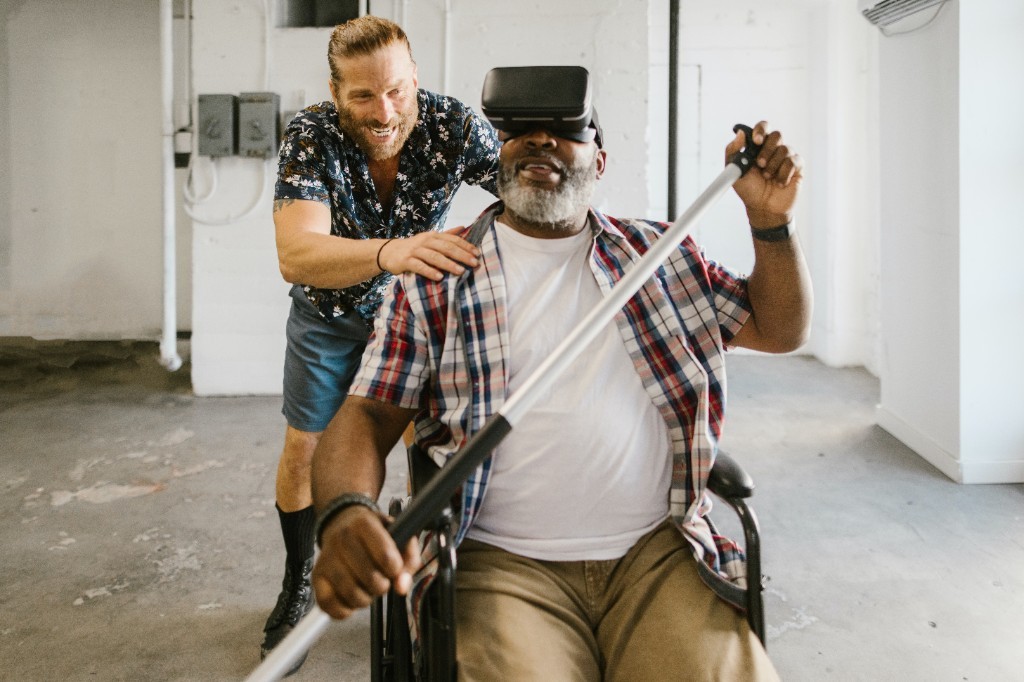
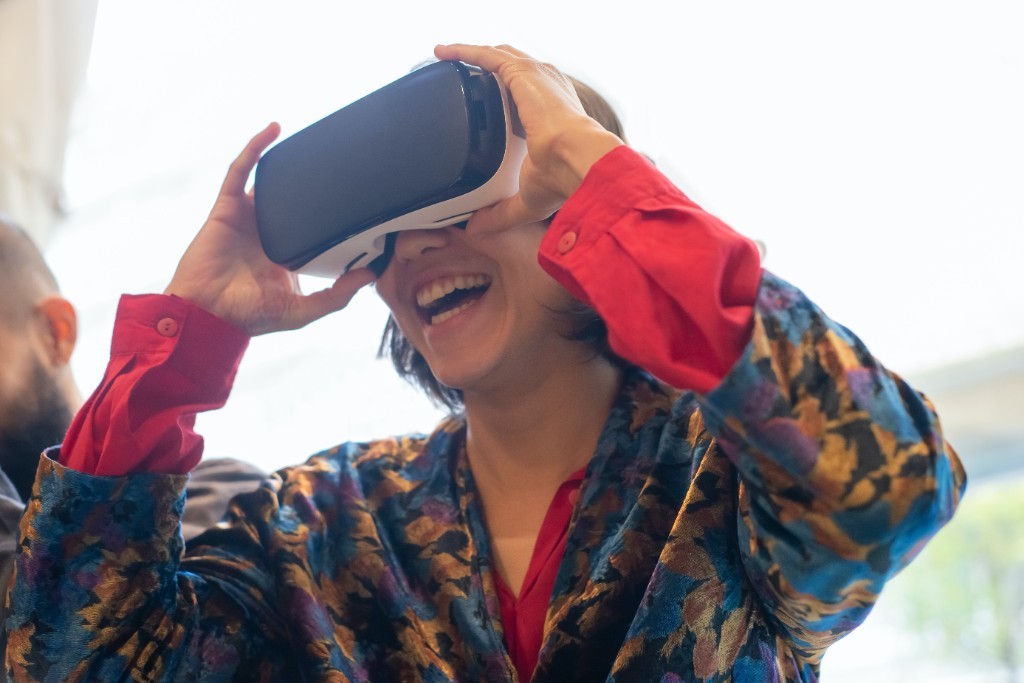
In recent years, there has been a significant advancement in the field of Artificial Intelligence (AI) and Augmented Reality (AR). These technologies have become increasingly popular and have the potential to enhance virtual experiences in various fields such as gaming, education, healthcare, and...
Robot Teacher Never Loses Patience With Struggling Students
580
23.12.2025
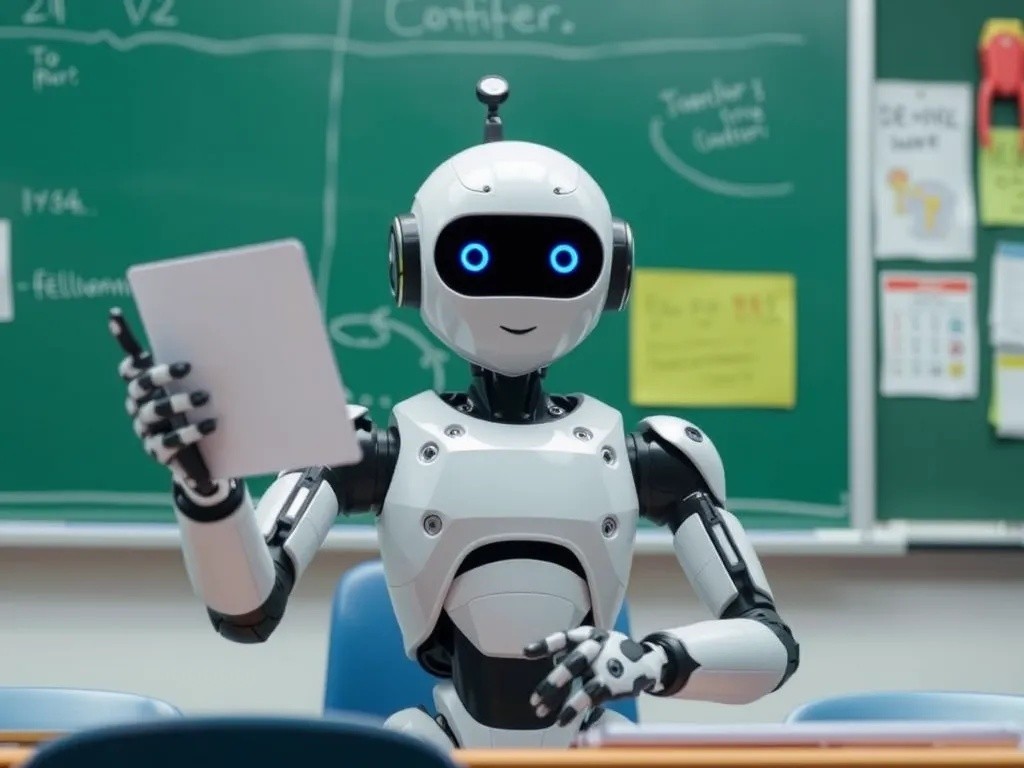
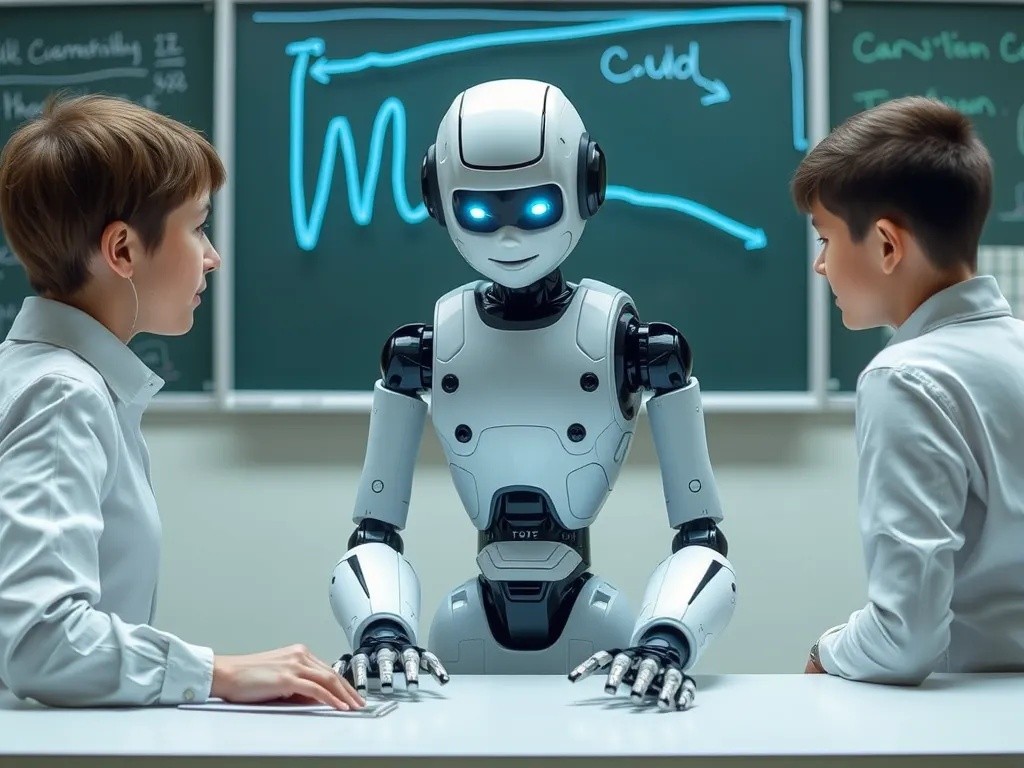
Every student learns differently, and some need more time, repetition, and support than others. Human teachers, despite best intentions, sometimes show frustration with students who struggle or require extensive explanation. Time constraints, large class sizes, and natural human limitations make perfectly patient instruction difficult to maintain. Robot teachers powered by artificial intelligence are transforming this dynamic, offering unlimited patience and personalized attention that never wavers, regardless of how many times a concept needs explanation.
The Challenge of Individualized Education
Traditional classroom education operates on the assumption that all students can learn the same material at the same pace. This one-size-fits-all approach inevitably leaves some students behind while holding others back. Teachers want to provide individual attention but face practical impossibilities when managing twenty or thirty students simultaneously. Students who need extra help often feel rushed, embarrassed, or burdensome, leading to reduced questions and persistent knowledge gaps.
How Robot Teachers Address These Issues
Robot teachers provide one-on-one instruction that scales infinitely. Each student can have a personal tutor available whenever needed, with no time limitations or patience constraints. The robots never show frustration, never make students feel inadequate, and never suggest that questions are foolish. This judgment-free environment encourages students to ask questions freely and admit confusion without fear of negative social consequences.
Technology Behind Robot Teachers
Educational robots combine sophisticated artificial intelligence with physical presence or virtual interfaces. The AI systems use natural language processing to understand student questions regardless of how they're phrased. Machine learning algorithms track individual student progress, identifying specific knowledge gaps and learning patterns. Adaptive instruction systems adjust teaching methods based on real-time assessment of student comprehension.
Core Technological Components
The systems employ pedagogical engines based on educational research about effective teaching methods. These engines understand different learning styles and can present information visually, verbally, kinesthetically, or through multiple modalities simultaneously. Emotion recognition technology detects student frustration, confusion, or disengagement, prompting the robot to adjust its approach.
Essential features include:
- Infinite content knowledge across subjects and grade levels
- Multiple explanation strategies for teaching single concepts
- Personalized pacing that follows individual student readiness
- Progress tracking systems that never forget what students have learned
- Engaging presentation using animation, simulation, and interactive elements
Benefits for Different Types of Learners
Students with Learning Disabilities
Robot teachers offer transformative support for students with dyslexia, dyscalculia, ADHD, and other learning differences. The robots provide unlimited repetition without impatience when students need concepts explained multiple times. Multi-sensory teaching approaches cater to different processing strengths. Pacing adjusts automatically to accommodate slower processing speeds without making students feel rushed or inadequate. The consistent, predictable interaction style particularly benefits students on the autism spectrum who find consistency comforting.
Advanced Students Seeking Challenge
While robot teachers excel at supporting struggling students, they equally benefit advanced learners who need acceleration beyond standard curricula. The systems provide enrichment materials, advanced problem-solving, and deep dives into topics that interest individual students. Fast-paced learners receive challenging content without waiting for classmates, while the robot never shows annoyance at seemingly endless questions from curious minds.
English Language Learners
Students learning in a non-native language benefit from robot teachers with infinite patience for language struggles. The robots can instantly translate between languages, explain vocabulary in multiple ways, and repeat instructions as many times as necessary. Cultural context that might confuse students from different backgrounds gets explained clearly without judgment about what students "should" already know.
Real-World Applications
Classroom Support Systems
Robot teachers increasingly appear in traditional classrooms as assistants to human educators. While human teachers provide primary instruction and social-emotional leadership, robots work with small groups or individual students who need extra help. This combination allows human teachers to focus on students who most need human connection while robots handle routine drill practice and concept reinforcement.
Homework and After-School Help
Many families use robot tutors for homework assistance, eliminating the frustration many parents experience when trying to help with modern curricula they don't understand. Students receive expert instruction on demand rather than waiting until the next school day to clarify confusion. The robots track which homework problems cause difficulty, alerting human teachers to concepts needing additional classroom attention.
Adult Education and Skill Development
Robot teachers serve adult learners returning to education after years away from formal schooling. Adults often feel embarrassed about knowledge gaps or outdated skills but find comfort in robot instruction where no human judges their starting point. Career changers learn new technical skills at their own pace without pressure to keep up with younger, more tech-savvy classmates.
The Patience Advantage
Psychological Safety
Perhaps the most significant benefit robot teachers provide is psychological safety for struggling learners. Students who have experienced teacher frustration or peer mockery develop anxiety around asking questions or admitting confusion. Robot teachers eliminate this anxiety completely. Students can ask the same question fifty times without any change in the robot's supportive, encouraging tone. This safety allows genuine learning rather than performance anxiety.
Eliminating Rush and Pressure
Robot teachers remove time pressure from learning. Students work through concepts as quickly or slowly as they need without feeling they're holding anyone back. This elimination of comparative performance pressure helps students focus on actual understanding rather than keeping pace with others. Some students need five minutes to grasp a concept while others need five hours—robot teachers accommodate both equally well.
Challenges and Limitations
Social-Emotional Learning
Critics rightly note that robot teachers cannot provide the human connection, empathy, and emotional support that human educators offer. Learning happens in social contexts, and relationships with teachers significantly impact student development. Robots lack genuine empathy and cannot model emotional intelligence or interpersonal skills. While they excel at content delivery, they cannot replicate the mentorship, inspiration, and personal investment that great human teachers provide.
Creativity and Critical Thinking
Current robot teachers primarily excel at structured subjects with clear right and wrong answers like mathematics, grammar, or factual content. They struggle with open-ended creative tasks, philosophical discussions, and situations requiring nuanced judgment. Teaching writing, art, or complex ethical reasoning remains primarily human domain. Critics worry that over-reliance on robot instruction might neglect these crucial but hard-to-automate educational goals.
Accessibility and Equity Concerns
High-quality robot teachers remain expensive, creating potential educational inequity. Wealthy schools and families access sophisticated tutoring robots while under-resourced schools cannot afford the technology. This digital divide could widen existing educational achievement gaps. Ensuring equitable access to educational technology requires conscious policy effort and investment in schools serving disadvantaged communities.
Impact on Human Teachers
Robot teachers aren't replacing human educators but rather redefining their roles. Human teachers increasingly focus on social-emotional learning, mentorship, creativity facilitation, and relationship building while robots handle routine instruction and practice. This division allows human teachers to use their uniquely human capabilities rather than spending time on tasks that machines can automate.
Some teachers initially feared replacement but most who work with robot assistants report reduced burnout and increased job satisfaction. Freed from constantly repeating basic explanations, human teachers engage in more rewarding educational work. The partnership between human and robot educators may represent the future of effective education.
Future Developments
Next-generation robot teachers will feature more sophisticated emotional intelligence, better recognizing subtle signs of student distress or disengagement. Advanced systems might develop personalized teaching styles that match individual student personalities rather than using standard approaches for everyone. Integration with brain-computer interfaces could eventually allow real-time assessment of student understanding at neurological levels, adjusting instruction instantaneously based on brain activity patterns.
Virtual and augmented reality integration will enable immersive learning experiences where robot teachers guide students through historical events, scientific phenomena, or mathematical concepts in three-dimensional, interactive environments. The distinction between robot tutor and educational game will blur as learning becomes increasingly experiential and engaging.
Conclusion
Robot teachers that never lose patience with struggling students represent significant progress toward truly individualized education. By providing unlimited repetition, personalized pacing, judgment-free environments, and infinite availability, these AI-powered systems address real limitations of human instruction in resource-constrained educational systems. While they cannot replace the inspiration, empathy, and mentorship of great human teachers, robot educators complement human instruction effectively, creating educational partnerships that serve all learners better than either could alone. As technology advances and costs decrease, patient robot teachers may become universal educational resources, ensuring that no student's learning suffers because they need more time, different approaches, or additional explanations than standard curricula provide. The future of education likely involves humans and robots working together, each contributing their unique strengths to help all students reach their full potential.