

In recent years, there has been a significant advancement in the field of Artificial Intelligence (AI) and Augmented Reality (AR). These technologies have become increasingly popular and have the potential to enhance virtual experiences in various fields such as gaming, education, healthcare, and...
Smart Clothes Dryer Automatically Detects Fabric Type
735
31.03.2026
The Evolution of Laundry Technology
Household appliances have changed dramatically in recent decades. What once required manual effort and careful attention is now often handled by intelligent machines capable of adjusting their behavior automatically. Washing machines, dishwashers, and refrigerators increasingly use sensors and digital control systems to improve efficiency and convenience.
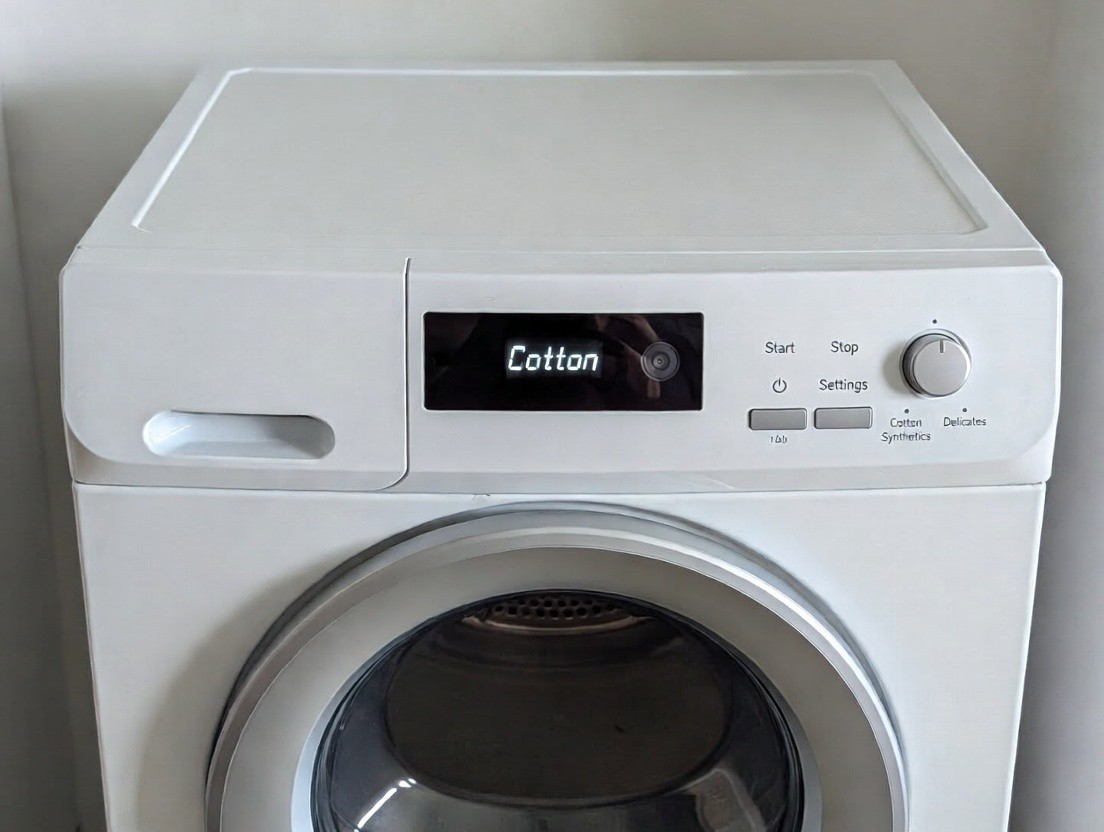
Clothes dryers are also becoming smarter. Traditional dryers usually operate using preset programs such as “cotton,” “synthetic,” or “delicate.” However, users must manually select the correct program, and mistakes can lead to damaged clothing or inefficient drying.
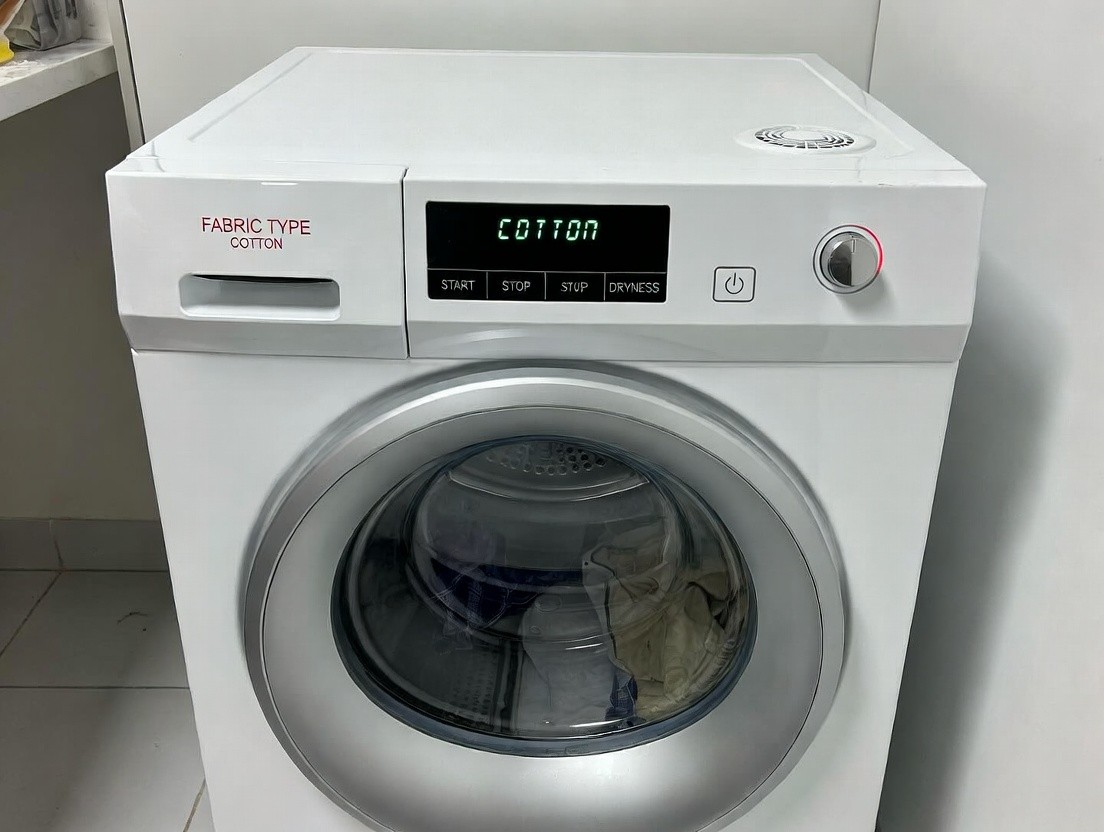
To solve this problem, engineers have developed smart dryers that automatically recognize the type of fabric placed inside the machine. By analyzing the properties of the laundry, these dryers can adjust temperature, airflow, and drying time without requiring manual input.
How Smart Fabric Detection Works
The core feature of a smart dryer is its ability to analyze clothing materials automatically. This is achieved using a combination of sensors and artificial intelligence algorithms. When the dryer starts operating, the system scans the fabrics inside the drum and identifies their characteristics.
Based on this analysis, the dryer selects the optimal drying parameters that will remove moisture efficiently while protecting delicate materials.
Main Technologies Used in Fabric Recognition
- Moisture sensors that measure water content
- Temperature sensors monitoring fabric heat levels
- Optical sensors analyzing surface texture
- Weight sensors detecting load composition
- AI algorithms interpreting sensor data
These technologies work together to identify whether the clothing is made from cotton, wool, synthetic fibers, or blended fabrics.
Artificial Intelligence in Laundry Appliances
Artificial intelligence plays a key role in interpreting the data collected by sensors. The AI system has been trained using large datasets that describe how different fabrics behave during the drying process. By comparing sensor readings with these reference patterns, the algorithm can determine the most suitable drying conditions.
Machine learning models also improve over time. Some smart appliances can adapt to household habits and learn how specific garments respond to different drying cycles.
Factors Considered by the AI System
- Fabric sensitivity to heat
- Moisture absorption characteristics
- Thickness and density of materials
- Risk of shrinkage or fabric damage
- Drying efficiency requirements
This analysis allows the dryer to create customized drying cycles for each load.
Benefits for Clothing Care
One of the biggest advantages of automatic fabric recognition is improved clothing protection. Different materials react differently to heat and mechanical movement. For example, delicate fabrics may shrink or lose shape if exposed to excessive temperatures.
By adjusting the drying conditions automatically, smart dryers help prevent damage and extend the lifespan of garments.
- Reduced risk of fabric shrinkage
- Better protection for delicate materials
- Optimized drying time for mixed loads
- Lower energy consumption
- Improved convenience for users
These benefits make smart dryers particularly useful for households that frequently wash a variety of fabric types.
Energy Efficiency and Sustainability
Smart dryers not only protect clothing but also improve energy efficiency. Traditional dryers often run longer than necessary because they cannot accurately detect when garments are fully dry. This wastes electricity and increases operating costs.
Advanced sensors allow smart dryers to measure moisture levels continuously. When the clothing reaches the optimal dryness level, the machine automatically stops the cycle. This reduces energy consumption while ensuring that fabrics are not exposed to unnecessary heat.
In addition, intelligent drying programs help reduce wear and tear on fabrics, which means clothing may last longer and require fewer replacements.
The Future of Intelligent Laundry Systems
The development of smart dryers is part of a broader trend toward fully automated laundry systems. Future appliances may combine washing and drying functions while using AI to optimize the entire cleaning process.
For example, washing machines may soon analyze fabric types before the wash cycle begins and automatically select detergent amounts, water temperatures, and spin speeds. Dryers could then communicate with washers to receive detailed information about the load.
Integration with mobile applications may also allow users to monitor laundry remotely, receive notifications when cycles are complete, and adjust settings through smartphones.
As sensor technology and artificial intelligence continue to improve, household appliances will become even more capable of managing everyday tasks automatically. Smart dryers that recognize fabric types represent an important step toward more efficient and convenient home care technology.