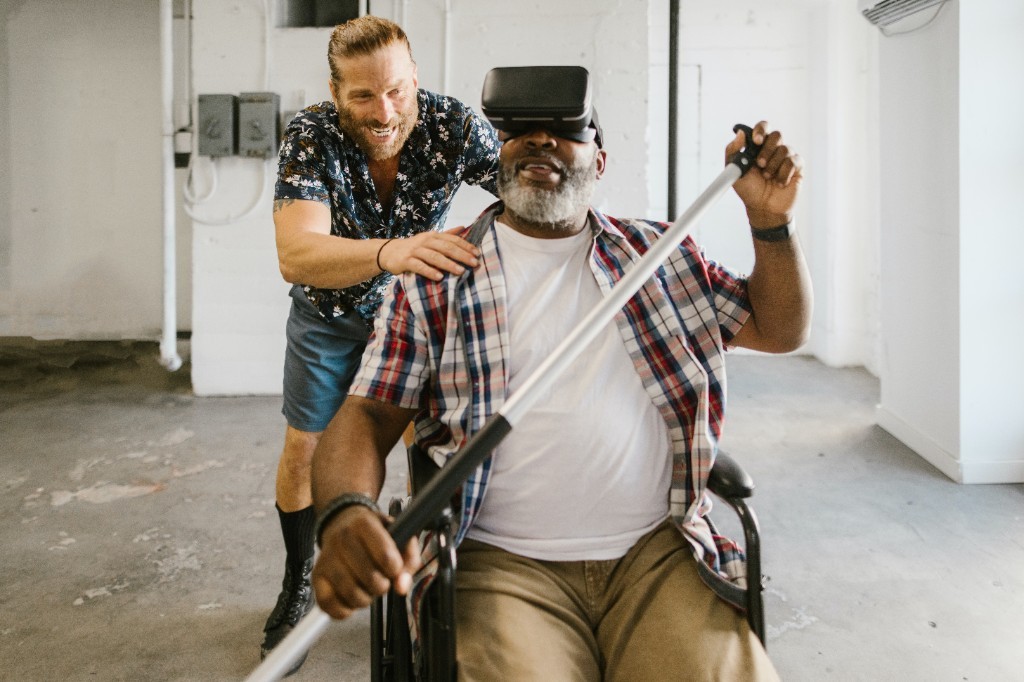
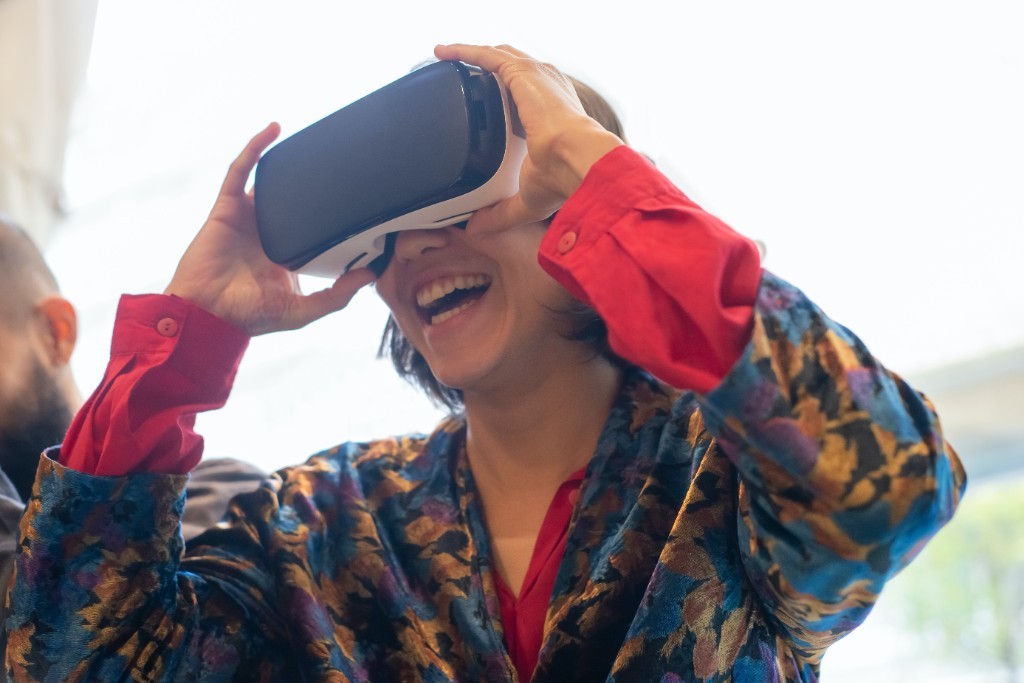
In recent years, there has been a significant advancement in the field of Artificial Intelligence (AI) and Augmented Reality (AR). These technologies have become increasingly popular and have the potential to enhance virtual experiences in various fields such as gaming, education, healthcare, and...
Smart Sunglasses Show Information About Places You Look At
536
18.12.2025

Imagine walking through a city and instantly learning about every building, restaurant, and landmark simply by looking at them. Smart sunglasses equipped with augmented reality technology are making this vision a reality. These innovative devices overlay digital information onto the physical world, transforming ordinary eyewear into powerful information tools that enhance how we explore and understand our surroundings.
The Technology Behind Smart Sunglasses
Smart sunglasses combine several cutting-edge technologies to deliver information seamlessly. At their core, these devices use tiny cameras, sensors, and transparent displays built into the lens frames. Computer vision algorithms process what the cameras see, identifying objects, buildings, and landmarks in real-time. The system then retrieves relevant information from cloud databases and projects it onto the lenses where only the wearer can see it.
Key Components and Systems
The hardware includes miniaturized cameras positioned to capture the wearer's field of vision, GPS sensors for precise location tracking, and motion sensors that detect head movements. Transparent micro-displays embedded in the lenses project information without obstructing the wearer's view. Advanced processors handle the complex task of image recognition and data retrieval within milliseconds.
Essential technologies include:
- Computer vision for object and location recognition
- Augmented reality displays for information overlay
- Cloud connectivity for accessing vast databases
- Voice control for hands-free operation
- Eye-tracking technology to understand where the user is focusing
Practical Applications and Use Cases
Tourism and Travel
For tourists, smart sunglasses function as an always-available tour guide. Looking at a historical building instantly displays its construction date, architectural style, historical significance, and visitor information. Restaurants show ratings, menu highlights, and price ranges without entering. Museums become interactive experiences where artwork displays artist information, creation dates, and contextual history automatically.
Urban Navigation
These sunglasses revolutionize city navigation by showing directions directly in the user's field of vision. Instead of constantly checking a phone for GPS directions, arrows and pathways appear overlaid on streets, guiding users turn-by-turn. Public transportation information appears when looking at bus stops or train stations, showing arrival times and route options in real-time.
Professional and Educational Uses
Real estate agents use smart sunglasses to instantly access property information while showing homes to clients. Architecture students can view information about building techniques and materials by examining structures. Language learners see translations of signs and menus overlaid directly on foreign text, making immersion more accessible.

Benefits of Information-Enhanced Vision
Smart sunglasses provide unprecedented convenience by eliminating the need to constantly pull out smartphones for information. This hands-free approach allows people to remain engaged with their environment while still accessing data. The technology particularly benefits people with memory difficulties or those exploring unfamiliar places, providing confidence and reducing anxiety about getting lost or missing important information.
The devices also create more enriching experiences. Walking through a city becomes an educational journey where every building tells its story. Nature enthusiasts can identify plants and animals instantly. History comes alive as users see how locations looked in the past through historical image overlays.
Challenges and Limitations
Information Overload
One significant challenge involves managing the sheer volume of potential information. Early users reported feeling overwhelmed when every object in view triggered data displays. Manufacturers are developing sophisticated filtering systems that prioritize information based on user interests and context. The sunglasses learn individual preferences over time, showing only relevant details.
Privacy Concerns
The constant recording capability of smart sunglasses raises serious privacy questions. People worry about being recorded without knowledge or consent. Some establishments prohibit these devices to protect customer privacy. Manufacturers are implementing visible recording indicators and developing ethical guidelines for appropriate use, but regulatory frameworks continue to evolve.
Technical Limitations
Current models face several technical challenges:
- Limited battery life requiring frequent charging
- Recognition accuracy varying with lighting conditions
- Database coverage gaps in less-traveled areas
- Display visibility challenges in bright sunlight
- Weight and comfort issues with extended wear
Social and Cultural Impact
Smart sunglasses are changing how people interact with physical spaces. Some users report feeling more adventurous and willing to explore unfamiliar areas because information is readily available. However, critics worry that constant access to digital information might reduce genuine human interaction and spontaneous discovery. The balance between enhanced knowledge and authentic experience remains a subject of debate.
Future Developments
Next-generation smart sunglasses will feature more powerful artificial intelligence capable of understanding context and user intent. Future devices might recognize people's faces and display their names for those with memory difficulties, identify objects users want to purchase and show price comparisons, or even detect potential safety hazards and alert wearers.
Researchers are working on extending battery life, improving display clarity, and reducing device size and weight. Integration with brain-computer interfaces could eventually allow thought-controlled operation. Enhanced translation capabilities might enable real-time conversation translation, breaking down language barriers instantly.
Conclusion
Smart sunglasses represent a significant step toward seamlessly blending digital information with physical reality. By providing instant access to location-based data through an intuitive visual interface, these devices enhance how we experience and understand the world around us. While challenges related to privacy, information management, and social impact require careful consideration, the potential benefits for education, tourism, navigation, and daily convenience are substantial. As technology advances and society adapts to these new tools, smart sunglasses may become as common as smartphones, fundamentally changing our relationship with the places we inhabit and visit.