

In recent years, there has been a significant advancement in the field of Artificial Intelligence (AI) and Augmented Reality (AR). These technologies have become increasingly popular and have the potential to enhance virtual experiences in various fields such as gaming, education, healthcare, and...
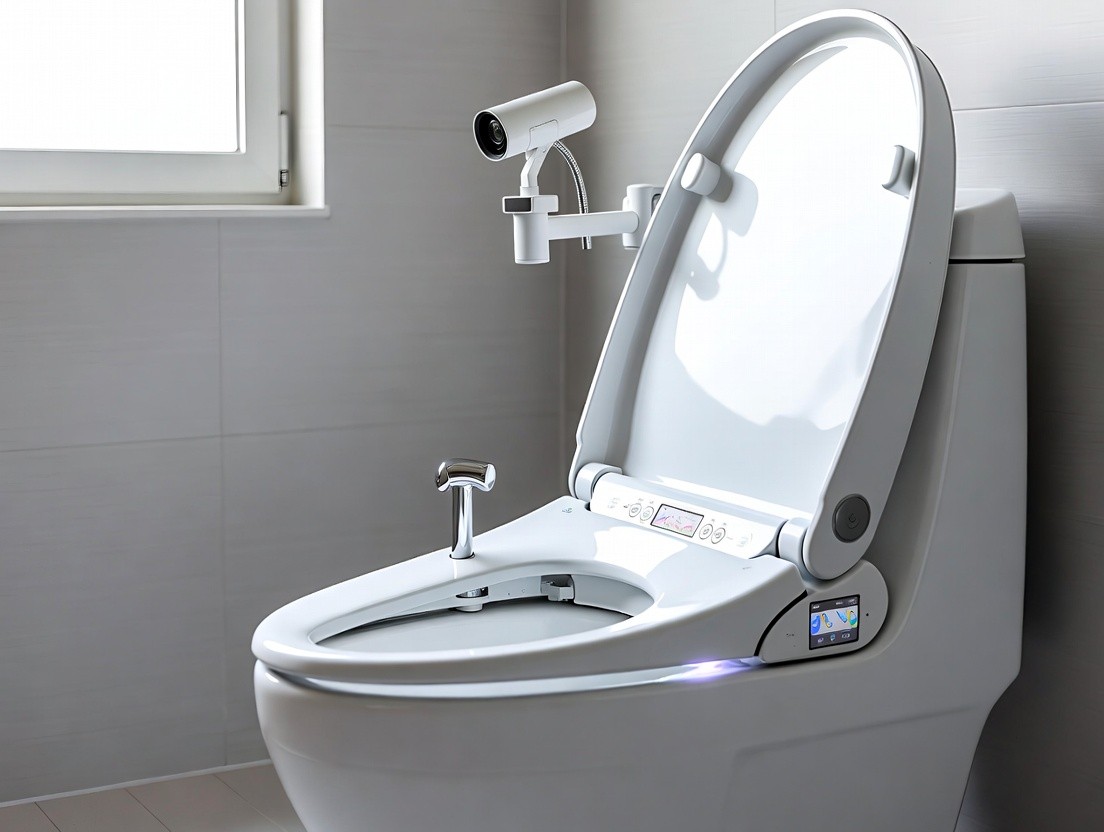
Smart Toilet Analyzes Health Through Daily Biological Indicators
1117
18.03.2026
The Rise of Smart Health Monitoring
Modern healthcare is increasingly moving toward continuous monitoring rather than occasional medical checkups. Many health conditions develop gradually, and early detection often depends on tracking subtle changes in the body over time. Wearable devices such as smart watches already monitor heart rate, sleep patterns, and physical activity. However, another emerging technology is bringing health monitoring directly into the bathroom.
Smart toilets represent a new category of health technology designed to analyze biological indicators during daily use. These advanced systems contain sensors capable of examining urine, stool, and other physiological signals. By collecting data regularly, the system can identify trends that may indicate changes in a person’s health.
This technology allows individuals to monitor certain health markers automatically without requiring frequent laboratory tests or clinic visits.
How the Smart Toilet Works
The smart toilet integrates multiple sensors and diagnostic tools inside the toilet bowl and seat. When a person uses the device, these sensors collect small biological samples and analyze them using chemical and optical detection methods. The collected data is then processed by software that evaluates health indicators.
Results are typically sent to a mobile application where users can view reports and receive personalized health insights.
Main Technologies Used in Smart Toilets
- Chemical sensors for analyzing urine composition
- Optical scanners for detecting biomarkers
- Flow measurement sensors
- Artificial intelligence for data interpretation
- Secure wireless transmission to health applications
The system can automatically analyze biological samples within seconds after use. This allows health monitoring to occur passively without requiring additional effort from the user.
Health Indicators That Can Be Monitored
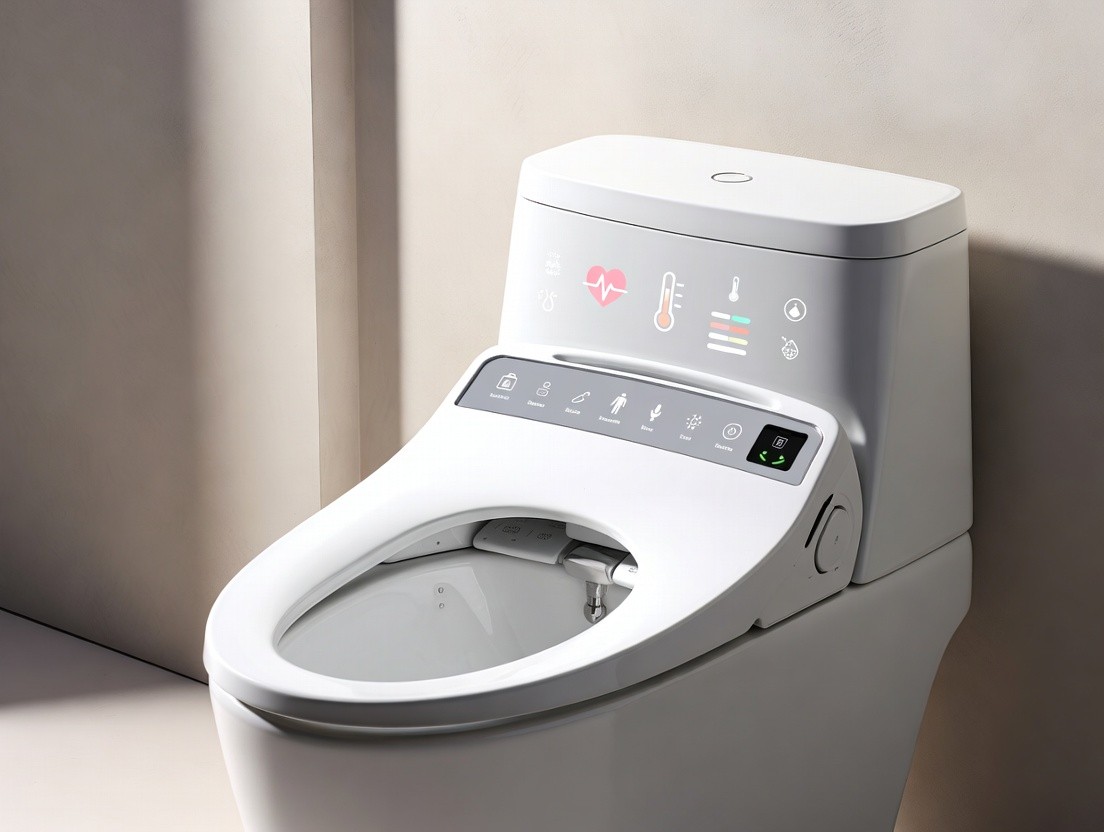
Human waste contains valuable biological information that doctors often analyze during medical tests. Smart toilets use miniaturized laboratory technologies to examine similar indicators on a daily basis. Continuous monitoring makes it easier to detect small changes that might otherwise go unnoticed.
Examples of Measured Health Indicators
- Hydration levels
- Blood sugar indicators
- Kidney function markers
- Digestive system health
- Presence of infection-related biomarkers
In addition to chemical analysis, some systems monitor physiological patterns such as frequency of use or unusual changes in biological composition. These patterns may reveal early signs of health problems.
The Role of Artificial Intelligence
Artificial intelligence plays an essential role in interpreting the data collected by smart toilets. Biological indicators can vary naturally from day to day, so AI algorithms analyze long-term patterns rather than single measurements. By studying trends over weeks or months, the system can identify unusual changes that might indicate potential health risks.
The AI software compares user data with medical reference databases and generates personalized insights. In some cases, the system may recommend consulting a healthcare professional if certain patterns appear abnormal.
Functions of AI in Smart Health Monitoring
- Analyzing trends in biological indicators
- Comparing data with medical reference ranges
- Identifying unusual changes over time
- Generating personalized health reports
- Providing early warning notifications
This type of analysis helps transform raw biological data into meaningful health information.
Benefits of Continuous Health Monitoring
One of the main advantages of smart toilet technology is the ability to collect health data regularly without requiring special procedures. Because the system operates during daily routines, it can gather more consistent information than occasional medical tests.
This continuous monitoring may help detect health conditions at earlier stages.
- Early detection of potential health issues
- Convenient monitoring without additional effort
- Better understanding of personal health trends
- Reduced need for frequent laboratory visits
- Personalized health insights through digital reports
Healthcare professionals may also benefit from long-term datasets that provide a more complete picture of a patient’s health history.
Privacy and Data Security Considerations
Because smart toilets collect sensitive biological data, privacy protection is extremely important. Manufacturers design these systems with encrypted data storage and secure transmission protocols to prevent unauthorized access.
Users often have full control over how their data is stored and shared. Some systems allow health reports to be sent directly to medical professionals, while others keep all information stored locally on the user’s device.
Ensuring transparency and strong security standards is essential for building trust in this emerging technology.
The Future of Smart Bathroom Technology
Smart toilets are part of a broader trend toward integrating health monitoring into everyday environments. Future bathroom technologies may include mirrors that analyze skin health, toothbrushes that monitor oral bacteria, and showers that track hydration and circulation.
As sensor technology becomes more advanced, these systems may eventually form part of a comprehensive home health monitoring network. Such systems could automatically collect data from multiple sources and provide a detailed overview of a person’s well-being.
Although smart toilets are still relatively new, they demonstrate how everyday household devices can contribute to preventive healthcare. By analyzing daily biological indicators, this technology may help people monitor their health more effectively and identify potential medical issues earlier than ever before.