

In recent years, there has been a significant advancement in the field of Artificial Intelligence (AI) and Augmented Reality (AR). These technologies have become increasingly popular and have the potential to enhance virtual experiences in various fields such as gaming, education, healthcare, and...
Smart Trash Bin Automatically Sorts Waste
865
24.03.2026
The Growing Problem of Waste Management
Modern cities produce enormous amounts of waste every day. As populations grow and consumption increases, managing garbage has become one of the most significant environmental challenges. Recycling systems were created to reduce the amount of waste that ends up in landfills, but their effectiveness often depends on how well people separate materials before disposal.
Unfortunately, many households struggle with proper waste sorting. Plastic, paper, metal, and organic waste are often mixed together, which makes recycling more difficult and less efficient. When recyclable materials are contaminated by other types of waste, they may no longer be suitable for processing.
To address this issue, engineers and technology companies have begun developing smart trash bins capable of automatically sorting waste using artificial intelligence and sensor technologies.
How Smart Trash Bins Work
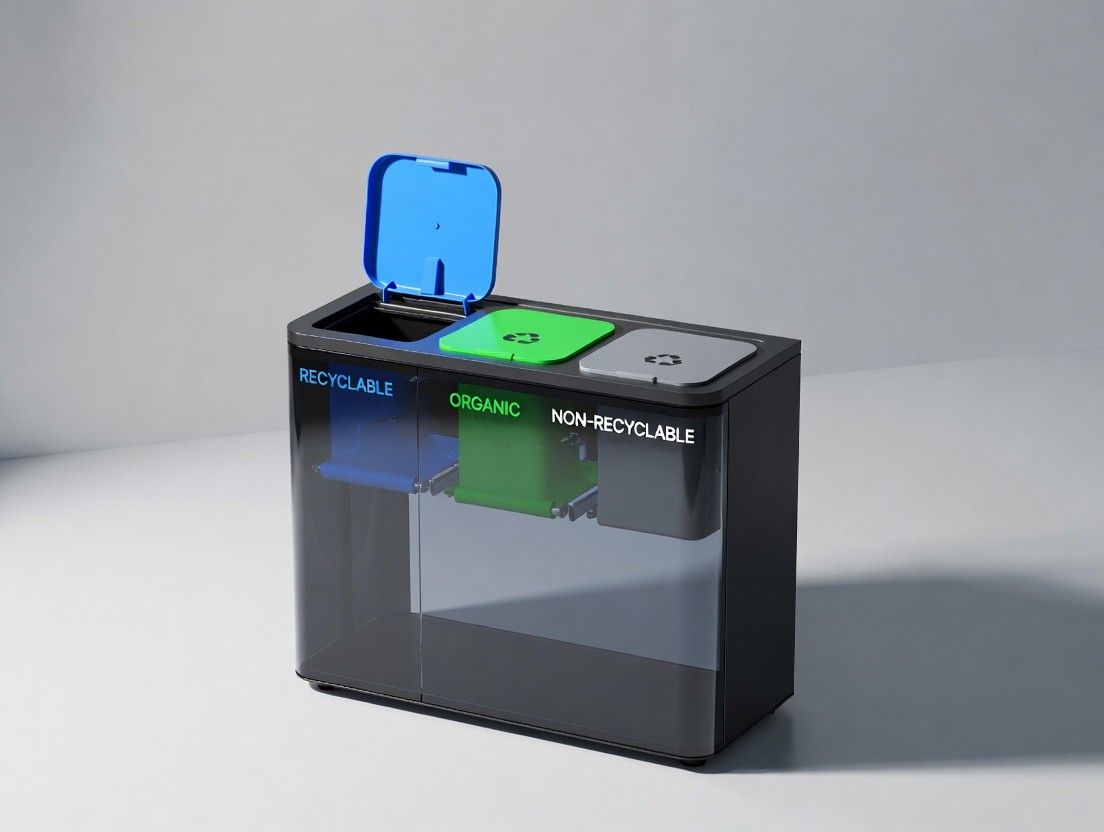
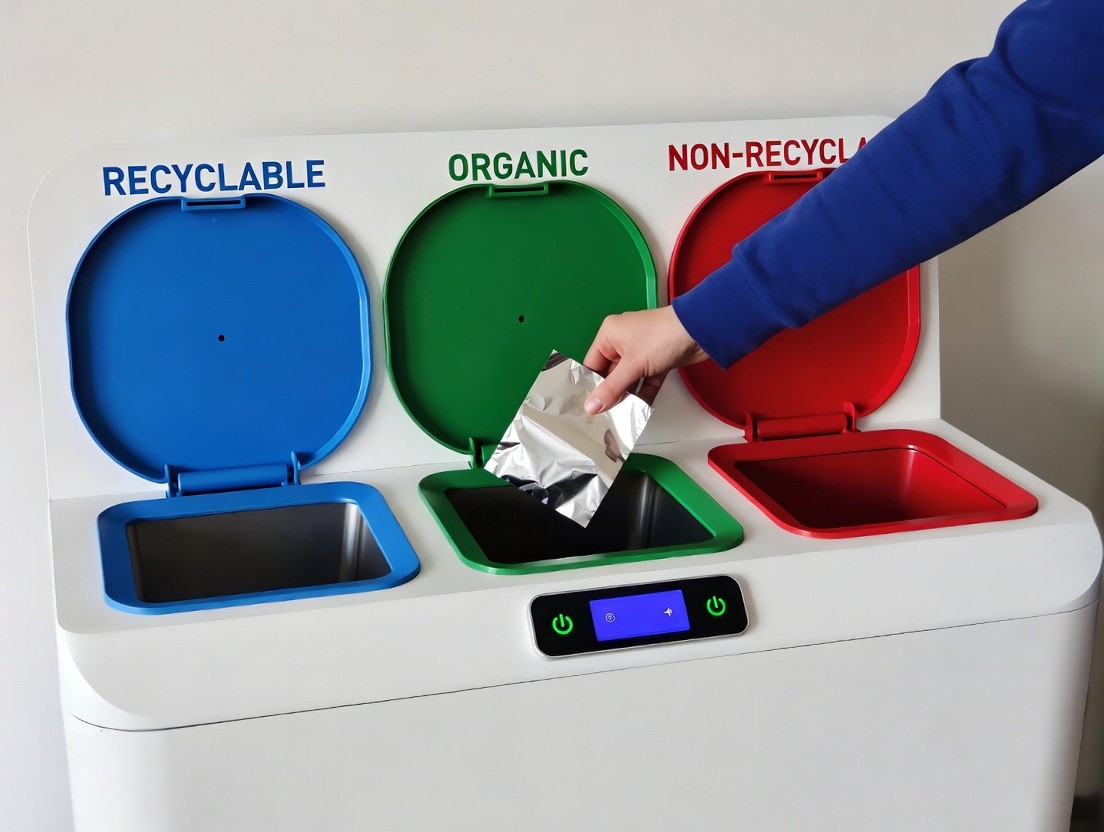
A smart trash bin uses a combination of cameras, sensors, and machine learning algorithms to identify the type of waste placed inside it. When a user throws an item into the bin, the system analyzes its shape, color, texture, and sometimes even its weight or material composition.
Based on this analysis, the device determines whether the item is plastic, metal, paper, glass, or organic waste. A mechanical sorting system inside the bin then directs the item into the correct compartment.
Main Technologies Used in Smart Waste Sorting
- Computer vision cameras for object recognition
- Artificial intelligence classification algorithms
- Weight and material sensors
- Mechanical sorting mechanisms
- Wireless connectivity for data monitoring
This automated process allows waste to be separated immediately at the point of disposal, improving recycling efficiency.
Artificial Intelligence in Waste Recognition
Artificial intelligence plays a key role in identifying different types of waste. The system is trained on large datasets containing images of various recyclable materials. By analyzing these images, the algorithm learns to recognize patterns associated with different categories of waste.
For example, plastic bottles, aluminum cans, cardboard packaging, and food waste all have distinct visual and physical characteristics. The AI system learns to distinguish between these materials with increasing accuracy as it processes more examples.
Data Used to Train Waste Recognition Models
- Images of recyclable materials
- Examples of mixed household waste
- Material texture and color patterns
- Shape recognition datasets
- Sensor measurements of weight and density
Once trained, the system can quickly classify waste items in real time.
Benefits for Recycling and the Environment
Smart trash bins offer several advantages for both households and municipal waste management systems. By improving sorting accuracy, these devices help ensure that recyclable materials remain uncontaminated and suitable for processing.
Automated sorting can also reduce the workload for recycling facilities, where workers often need to manually separate materials from mixed waste streams.
- Higher recycling efficiency
- Reduced contamination of recyclable materials
- Lower labor requirements in sorting facilities
- Improved environmental sustainability
- Better waste management data for cities
In addition, connected smart bins can provide valuable information about waste generation patterns, helping municipalities optimize recycling programs.
Integration with Smart City Systems
Many smart trash bin designs include wireless connectivity that allows them to communicate with waste management systems. Sensors can track how full each compartment becomes and notify waste collection services when the bin needs to be emptied.
This data can help cities plan more efficient garbage collection routes and reduce unnecessary transportation. In large urban areas, such systems could significantly reduce fuel consumption and operational costs.
Some experimental projects even combine smart waste bins with reward systems that encourage citizens to recycle correctly by tracking their recycling habits.
The Future of Intelligent Waste Management
Smart trash bins represent an early step toward fully automated waste management systems. As artificial intelligence and sensor technology continue to advance, future systems may become even more sophisticated.
For example, large-scale robotic sorting facilities already use AI-powered machines to separate recyclable materials from mixed waste streams. Combining these technologies with smart bins at the household level could dramatically improve recycling efficiency.
Researchers are also exploring ways to integrate chemical sensors that could identify materials more precisely, including different types of plastics that require separate recycling processes.
As environmental concerns continue to grow, innovations like smart trash bins may play an important role in creating cleaner and more sustainable cities. By automatically sorting waste at the moment it is discarded, these intelligent systems help ensure that valuable materials are recycled rather than lost in landfills.