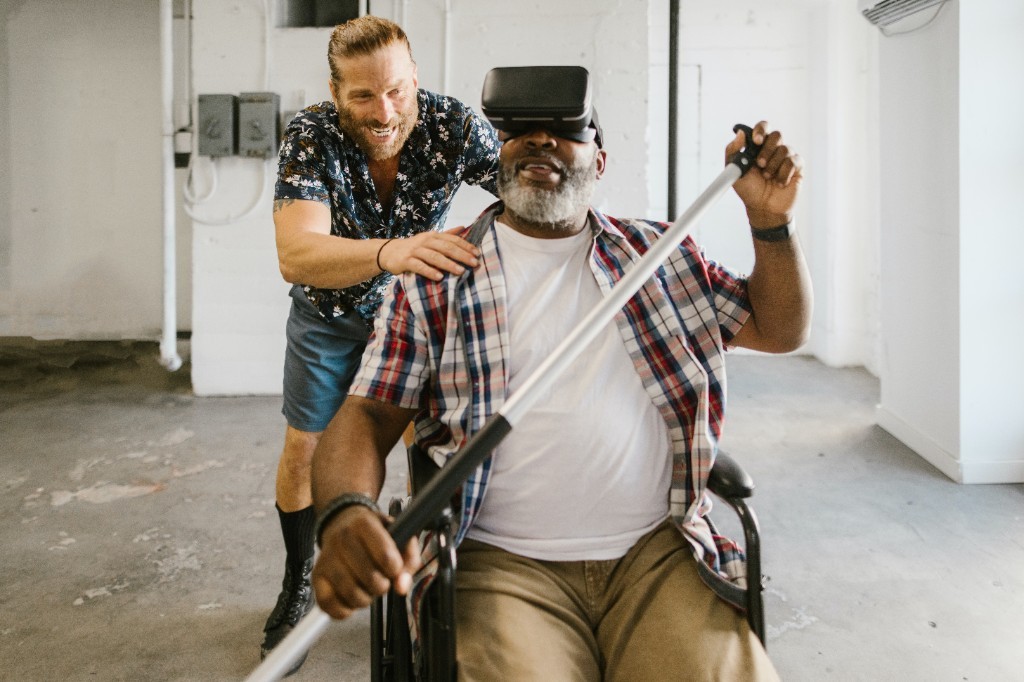

In recent years, there has been a significant advancement in the field of Artificial Intelligence (AI) and Augmented Reality (AR). These technologies have become increasingly popular and have the potential to enhance virtual experiences in various fields such as gaming, education, healthcare, and...
Software Turns Boring Lectures into Interactive Quests
855
27.03.2026
The Problem of Passive Learning
For many students, traditional lectures can feel repetitive and uninspiring. Sitting through long presentations while listening to a teacher speak for an hour or more often leads to reduced concentration and limited retention of information. Educational researchers have long recognized that passive learning methods are less effective than interactive approaches that involve active participation.
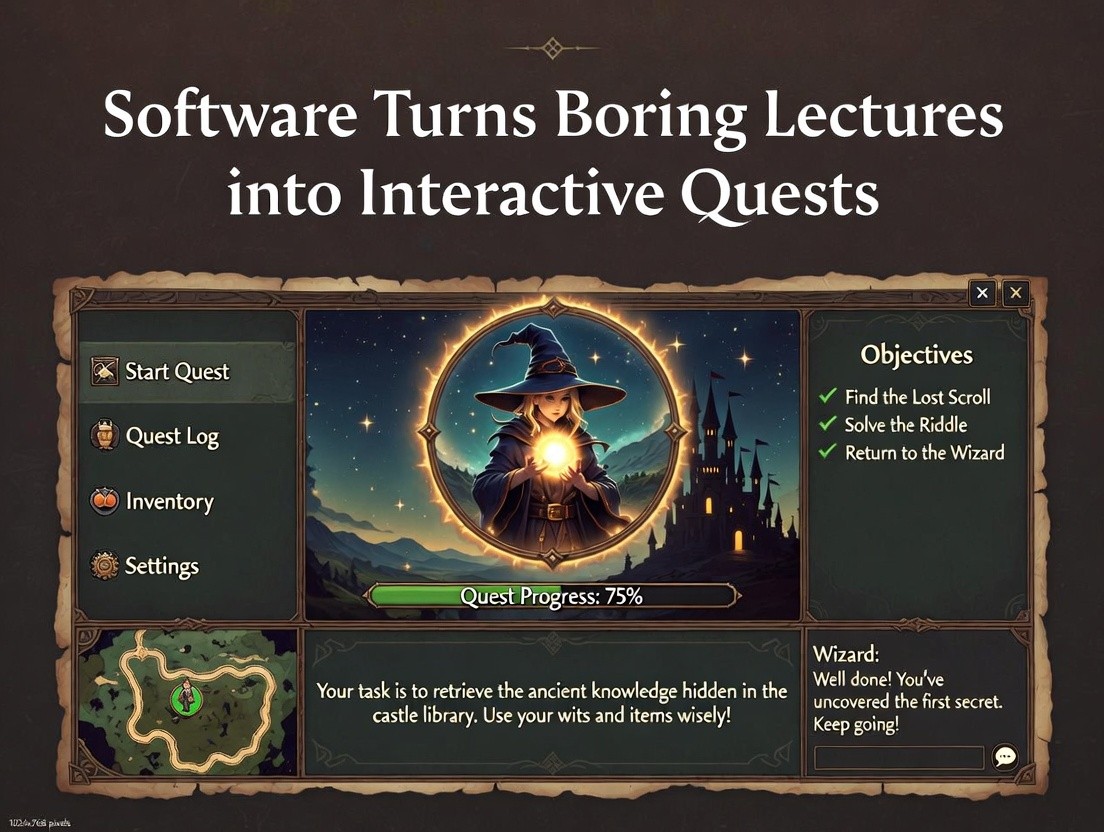
In response to this challenge, educational technology developers have created innovative software that transforms standard lectures into interactive quests. Instead of simply listening to information, students become participants in a learning adventure. They complete challenges, solve problems, and unlock new content as they progress through a lecture.
This approach combines storytelling, game mechanics, and artificial intelligence to make education more engaging and memorable.
How the Program Works
The program converts lecture material into structured missions and challenges. Teachers upload their lecture notes, slides, or course content into the system. The software then analyzes the material and restructures it into an interactive format that resembles a quest or story-driven game.
Students progress through the lecture by completing tasks, answering questions, or solving puzzles related to the subject. Each completed task unlocks the next part of the lesson, turning learning into a sequence of goals and achievements.
Main Components of the System
- Interactive story structure based on lecture topics
- Challenges and quizzes embedded within the lesson
- Progress tracking and achievement rewards
- Adaptive difficulty based on student performance
- Visual and audio feedback to maintain engagement
Artificial intelligence can also adjust the pace of the quest depending on how quickly students understand the material. If many participants struggle with a concept, the system may introduce additional explanations or simpler tasks before allowing them to continue.
Gamification in Education
The concept behind this software is known as gamification. Gamification involves applying game design elements—such as levels, rewards, and challenges—to non-game environments like education or workplace training.
In the context of lectures, gamification can dramatically improve motivation. Students often become more engaged when learning resembles a game rather than a passive activity.
Typical Game Elements Used in Educational Quests
- Levels that represent sections of the lecture
- Points or experience earned through correct answers
- Badges for completing difficult challenges
- Storylines that connect different topics
- Time-based challenges that increase excitement
These elements encourage students to remain attentive and curious throughout the learning process.
Benefits for Students and Teachers
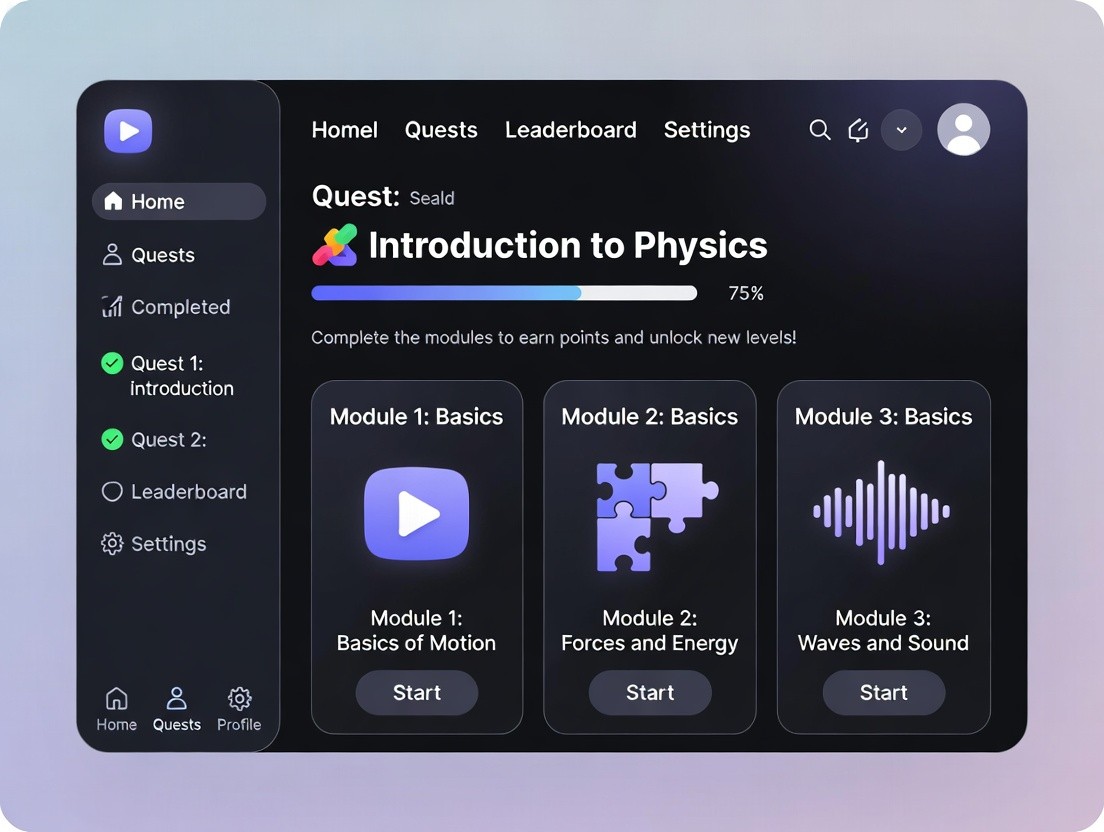
The interactive lecture format offers advantages for both learners and educators. Students often find that the quest-based structure makes complex topics easier to understand. Instead of memorizing isolated facts, they actively apply concepts while completing challenges.
Teachers also gain valuable tools for monitoring student progress. The software collects detailed data about how students interact with each part of the lecture, including which questions cause difficulty and which sections are completed quickly.
- Higher student engagement during lectures
- Improved retention of complex information
- Immediate feedback on learning progress
- Personalized learning paths for different students
- Better insight for teachers into learning difficulties
Because the system records learning data automatically, teachers can adjust future lessons to focus on areas where students need additional support.
Applications Beyond the Classroom
Although the technology was originally designed for schools and universities, its potential extends far beyond traditional classrooms. Companies are increasingly interested in interactive training programs that keep employees engaged while learning new skills.
Corporate training sessions often suffer from the same problem as traditional lectures—participants quickly lose focus. Transforming training materials into interactive quests can help employees stay motivated and complete training more effectively.
The system can also be adapted for online education platforms, remote learning environments, and professional certification programs.
The Future of Interactive Learning
Educational technology continues to evolve rapidly. As artificial intelligence becomes more sophisticated, future systems may generate entire interactive learning worlds automatically from course material. Students could explore digital environments, interact with virtual characters, and solve realistic scenarios related to their field of study.
Virtual reality and augmented reality may also become part of these quest-based learning systems. Instead of reading about historical events or scientific concepts, students could experience them directly through immersive simulations.
By combining storytelling, game design, and intelligent software, education may become far more engaging than the traditional lecture format that has existed for centuries. Programs that transform lectures into interactive quests represent an important step toward a more dynamic and effective learning experience.