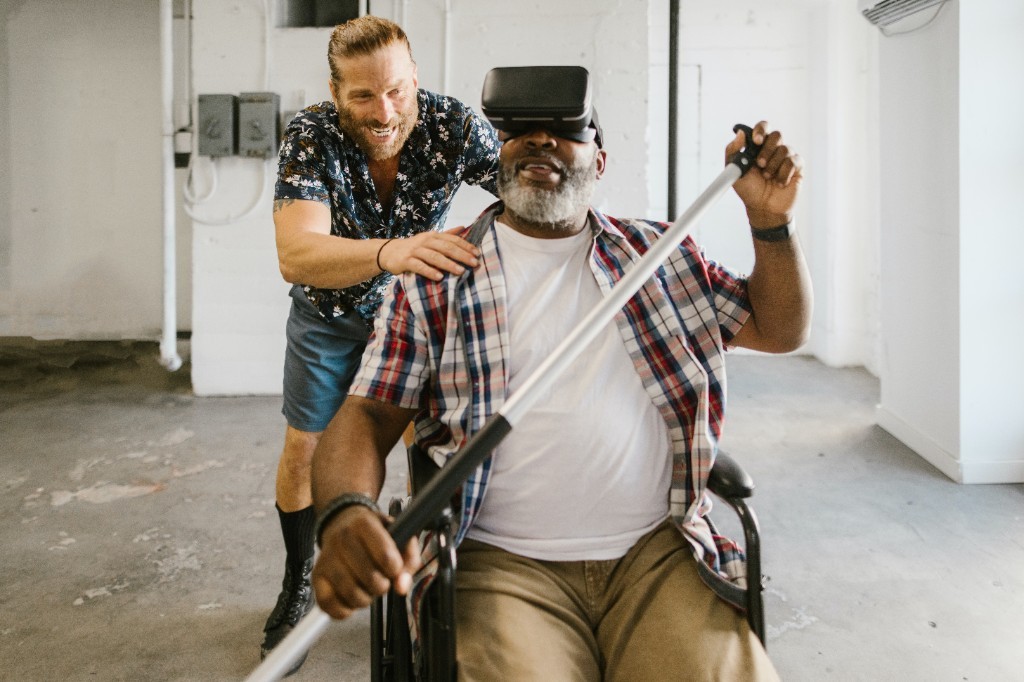
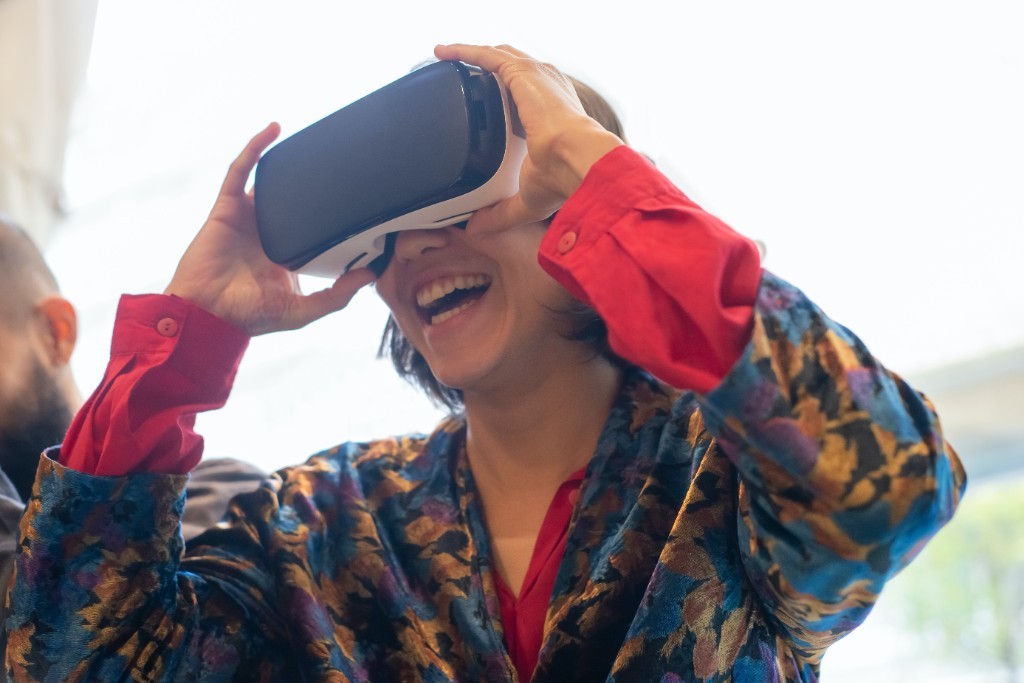
In recent years, there has been a significant advancement in the field of Artificial Intelligence (AI) and Augmented Reality (AR). These technologies have become increasingly popular and have the potential to enhance virtual experiences in various fields such as gaming, education, healthcare, and...
Virtual Makeup Artist Shows How Products Look Without Trying Them
536
21.12.2025
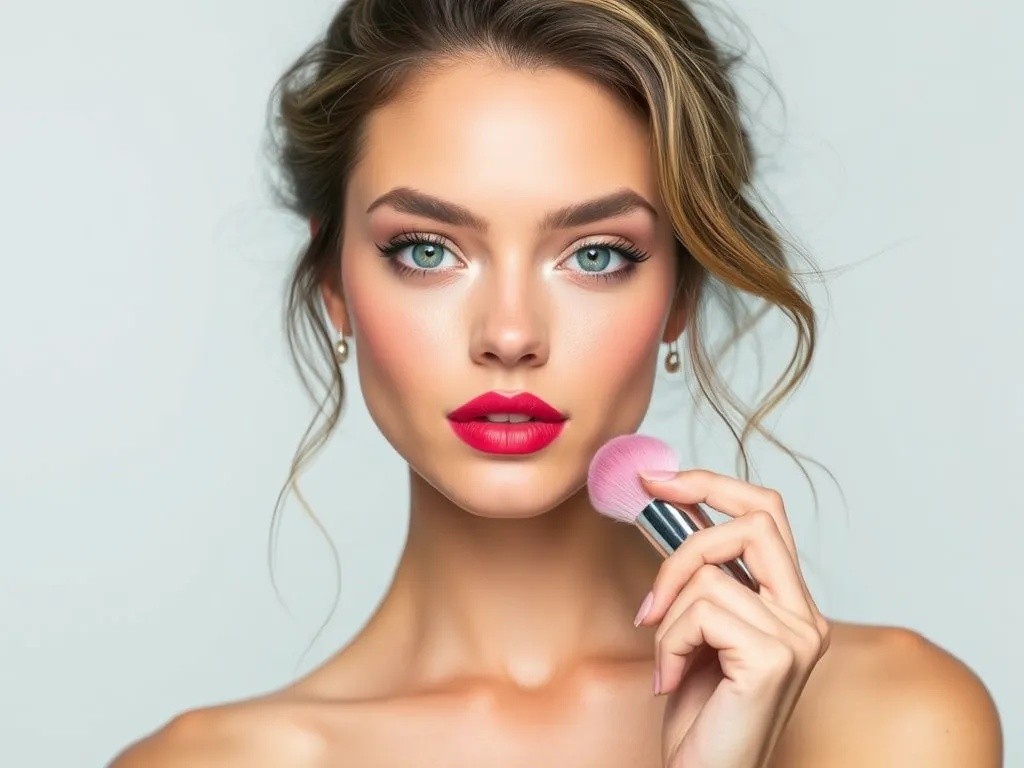
Testing makeup before purchase has traditionally meant applying products to your skin, creating hygiene concerns and practical difficulties in stores. Virtual makeup artists powered by augmented reality and artificial intelligence are transforming this experience. These sophisticated systems analyze facial features and skin tones, then digitally apply makeup products in real-time, allowing users to see exactly how cosmetics will look without touching a single physical product. This technology is revolutionizing both online and in-store beauty shopping.
How Virtual Makeup Technology Works
Virtual makeup systems combine several advanced technologies to create realistic digital cosmetic applications. High-resolution cameras capture detailed images of the user's face, while facial recognition algorithms map facial features, contours, and skin texture. Computer vision identifies skin tone, undertones, and existing makeup or blemishes. The system then overlays digital representations of makeup products, adjusting colors and textures to match the user's unique features and lighting conditions.
Technical Components and Processes
The technology relies on sophisticated 3D facial mapping that creates a digital model of the user's face. Machine learning algorithms trained on thousands of makeup application examples understand how different products interact with various skin types and tones. Real-time rendering engines apply makeup effects instantly as users move, maintaining accurate appearance from different angles and in varying light conditions.
Key technological elements include:
- Facial feature detection identifying eyes, lips, cheeks, and brows
- Skin tone analysis matching foundation and concealer shades
- Texture simulation showing how products blend and layer
- Lighting adjustment accounting for different environments
- Product database containing accurate color and finish information
Practical Applications and Use Cases
Online Shopping Enhancement
Virtual makeup artists dramatically improve online cosmetics shopping. Customers can test dozens of lipstick shades or eyeshadow palettes within minutes using their smartphone or computer camera. The technology eliminates the guesswork of purchasing makeup without seeing it on your own face first. Users can experiment with bold colors or styles they might hesitate to try in physical stores, discovering new looks from the comfort of home.
In-Store Experience Improvement
Physical retail stores are integrating virtual makeup stations where customers can try products without applicators or testers. Smart mirrors equipped with the technology allow shoppers to test multiple products quickly and hygienically. Beauty advisors can show customers various options rapidly, comparing looks side-by-side and saving promising combinations for later consideration. This contactless approach became especially valuable during health concerns about shared makeup testers.
Professional Makeup Planning
Makeup artists use virtual platforms to plan looks for clients before special events. Brides can test wedding makeup options weeks before their ceremony, trying various styles and saving favorites. Professional photographers and stylists create mood boards showing clients exactly how different makeup will appear, ensuring everyone agrees on the vision before actual application begins.
Benefits for Consumers and Businesses
Reducing Purchase Uncertainty
One of the biggest challenges in makeup shopping is uncertainty about how products will look on individual skin. Foundation shades that appear perfect on models may not match your undertones. Lipstick colors look different on everyone. Virtual try-on eliminates this uncertainty, showing personalized results before purchase. This reduced uncertainty leads to higher customer satisfaction and fewer product returns.
Encouraging Experimentation
Many people stick with familiar products because trying new makeup feels risky. Virtual systems encourage experimentation without commitment. Users can test dramatic eye looks, unconventional lip colors, or trending techniques they might never try otherwise. This exploration helps people discover styles and products they genuinely love, expanding their beauty routines beyond safe, predictable choices.
Accessibility and Inclusivity
Virtual makeup technology benefits people who face barriers to traditional makeup shopping. Individuals with sensitive skin or allergies can evaluate products visually without risking reactions. People with mobility limitations can try makeup extensively without physical store visits. The technology also supports those who feel uncomfortable or unwelcome in traditional beauty retail environments, providing a judgment-free space for exploration.

Advanced Features and Capabilities
Personalized Recommendations
Modern virtual makeup artists go beyond simple try-on, offering intelligent product recommendations. Analyzing facial features and skin characteristics, the systems suggest complementary colors and products likely to flatter individual users. Some platforms learn user preferences over time, refining recommendations based on which looks users save or purchase.
Tutorial Integration
Many virtual makeup systems include step-by-step tutorial features showing users how to achieve looks they like. The technology can identify which products are needed for a particular style and guide users through application techniques. Augmented reality overlays can show exactly where to apply products, making complex makeup techniques accessible to beginners.
Social Sharing and Community Features
Users can save and share virtual makeup looks with friends or on social media platforms. Some systems allow collaborative sessions where friends try makeup together remotely. Community features let users discover trending looks, see how others style particular products, and receive feedback on potential purchases before committing.
Challenges and Limitations
Accuracy and Realism
Despite impressive technology, virtual makeup cannot perfectly replicate physical reality. Texture representation remains challenging - creamy lipsticks, matte finishes, and shimmering highlights look slightly different in person than on screen. Lighting conditions significantly affect results, and what looks perfect on a screen may appear different in natural daylight. Users must remember that virtual try-on provides guidance rather than absolute accuracy.
Technology Access and Digital Divide
Virtual makeup requires smartphones, tablets, or computers with adequate cameras and processing power. Not everyone has access to devices capable of running these applications smoothly. Older devices may produce lower-quality results, creating disparities in shopping experiences. Additionally, people less comfortable with technology may find virtual try-on systems confusing or frustrating compared to traditional methods.
Privacy and Data Concerns
Virtual makeup applications collect facial images and detailed biometric data. Users rightfully worry about how this information is stored, used, and potentially shared. Companies must address privacy concerns transparently, implementing strong data protection measures and clear policies about image usage. Regulatory compliance with privacy laws varies globally, creating complex challenges for international platforms.
Impact on the Beauty Industry
Virtual makeup technology is reshaping how cosmetics companies develop and market products. Brands can test consumer reactions to new shades before manufacturing by letting users try virtual versions. Marketing campaigns increasingly feature virtual try-on capabilities, driving engagement and sales. Some companies are creating digital-only makeup looks available exclusively in virtual environments, blending beauty with digital fashion and gaming cultures.
The technology also influences product development. Companies analyze which virtual looks users try most frequently, informing decisions about which products to create. Data about color preferences across different demographics helps brands develop more inclusive shade ranges that truly serve diverse customers.
Future Developments
Next-generation virtual makeup systems will offer even more sophisticated features. Improved artificial intelligence will better predict how products interact with individual skin chemistry, considering factors like oiliness, texture, and undertones. Integration with smart mirrors could allow seamless transitions between virtual try-on and actual application, with the mirror guiding users to recreate looks they designed virtually.
Virtual reality headsets might create immersive makeup experiences where users feel completely present in virtual beauty consultations with AI or human experts. The technology could eventually analyze skin health, suggesting skincare alongside makeup recommendations. Integration with e-commerce platforms will become more seamless, allowing instant purchase of complete looks users design virtually.
Conclusion
Virtual makeup artists represent a significant leap forward in beauty shopping and self-expression. By allowing risk-free experimentation and personalized product visualization, this technology empowers consumers to make confident purchasing decisions while encouraging creative exploration. Though challenges around accuracy, accessibility, and privacy require ongoing attention, the benefits for both consumers and businesses are substantial. As augmented reality and artificial intelligence continue advancing, virtual makeup technology will become increasingly sophisticated and ubiquitous, fundamentally changing how people discover, purchase, and enjoy cosmetics. The future of beauty shopping is digital, interactive, and infinitely more personalized than ever before.